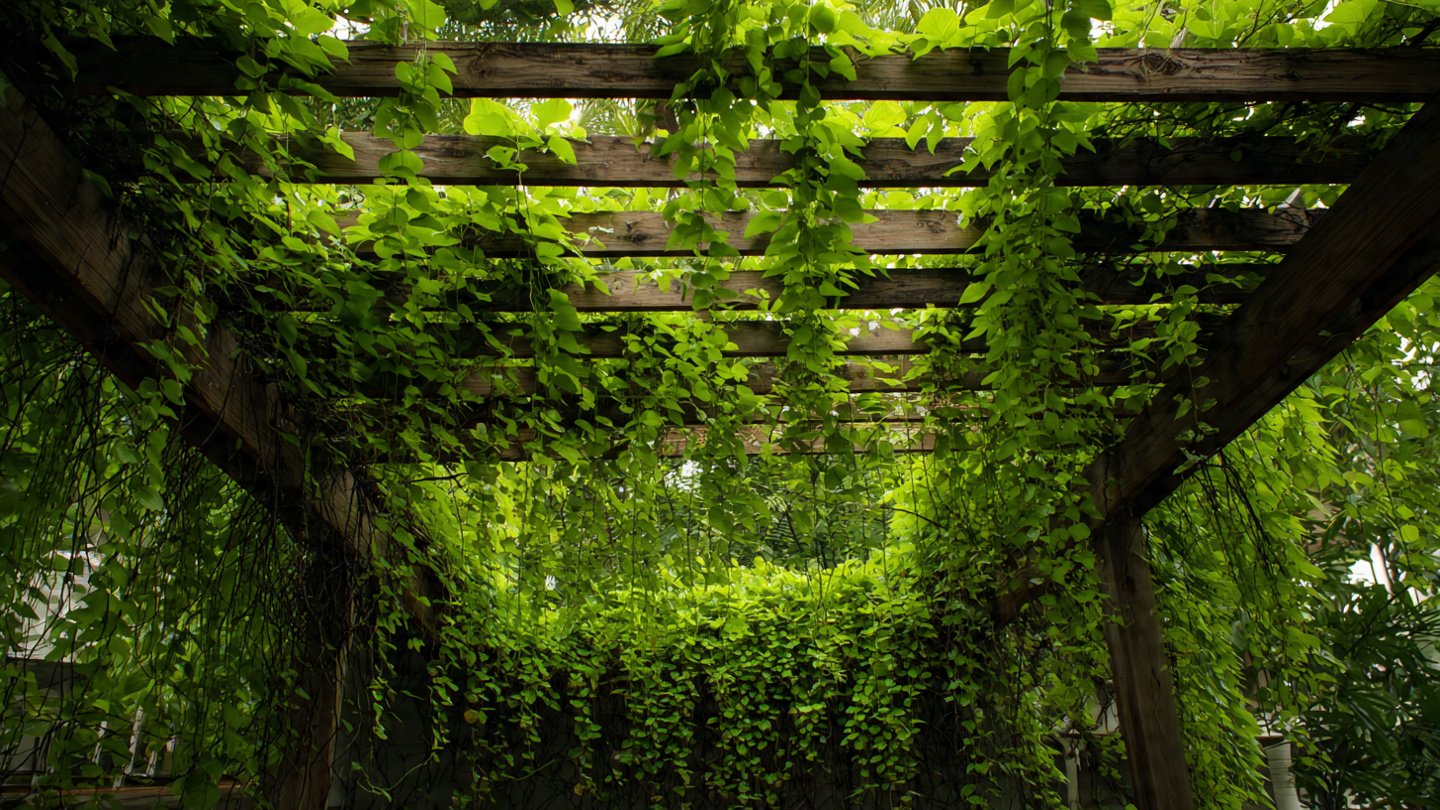
Creating a lush, green space in your garden is a rewarding endeavor, and growing creepers on a pergola offers both beauty and functional shade. This guide will walk you through the various steps necessary to successfully grow creepers, ensuring your outdoor area transforms into a tranquil retreat.
Understanding Creepers
Creepers, also known as climbing plants or vines, are characterized by their ability to cling, wrap, or climb up structures without any significant support from others. Many creepers can either grow rapidly or have a more leisurely growth pattern, depending on the type and environmental conditions.
Latest Posts
- Easy Steps to Successfully Grow Bhindi in Grow Bags at Home
- Easy Steps to Grow a Healthy Guava Bonsai at Home for Beginners
- How to Successfully Grow and Cultivate White Strawberry Plants at Home for Delicious and Unique Fruits
- Ultimate Guide to Successfully Growing Weeping Fig Outdoors with Proven Techniques and Expert Tips
- How to Successfully Grow Flemish Beauty Pear Trees in Canada for Optimal Harvest
- Easy Hack to Grow Strawberries Year Round in Your Home Garden for Delicious Harvests
- Growing Flemish Beauty Pears in Canada A Complete Guide for Local Gardens
- The Ultimate Guide to Growing Hibiscus Plants Year Round for Vibrant Blooms and Healthy Foliage
- Easy Ways to Boost the Growth Rate of Your Indoor Peace Lily for Lush Green Foliage
- How to Successfully Grow Oak Leaf Lettuce in Your Home Garden for Fresh and Flavorful Salads
Benefits of Creepers on Pergolas
- Shade: A dense cover of creepers on a pergola provides effective shade, making outdoor spaces much more enjoyable.
- Aesthetic Appeal: They contribute to the visual beauty of your garden, adding texture and color throughout the seasons.
- Cooling Effect: The plants help cool the area below, reducing temperatures and creating a microclimate.
- Wildlife Habitat: Many creepers attract beneficial insects, birds, and other wildlife, promoting biodiversity in your garden.
Choosing the Right Creepers
When choosing creepers for your pergola, consider the following factors:
1. Climate
Select creepers that thrive in your climate zone. Research whether your area experiences humid summers, cold winters, or dry conditions, and select plants accordingly.

2. Sunlight
Evaluate sunlight exposure on your pergola. Some creepers flourish in full sun, while others prefer partial shade.
3. Growth Habit
Consider whether you want fast-growing or slow-growing varieties. Fast-growing varieties might need more upkeep, while slower-growing plants require patience but may offer unique blooms.
4. Maintenance
Assess how much time you can devote to maintenance. Some creepers may require regular pruning and support adjustments, while others are much more self-sufficient.
Recommended Creepers
- Wisteria: Known for its fragrant and cascading blooms, wisteria grows well in full sun and can need substantial support due to its weight.
- Honeysuckle: This fast-growing vine blooms beautifully in late spring and summer, attracting pollinators.
- Clematis: With various species available, clematis offers a range of flower shapes and colors; it’s also versatile in sunlight needs.
- Passionflower: Known for its exotic-looking blooms, it thrives in full sun and can cover a large area quickly.
- Virginia Creeper: An adaptable, fast-growing plant known for its vibrant fall foliage, perfect for rapid coverage.
Preparing for Planting
Once you’ve chosen the right creepers, it’s time to prepare your garden area.

1. Assess the Pergola Structure
Ensure the pergola is sturdy enough to support the weight of the plants you wish to grow. If using heavier varieties, consider reinforcing the structure with additional supports.
2. Soil Preparation
Creepers thrive best in well-draining, nutrient-rich soil. Here’s how you can prepare the soil:
- Test Soil pH: Most vines prefer slightly acidic to neutral pH (6.0-7.0). Adjust the soil pH using lime (to raise) or sulfur (to lower) as needed.
- Amend the Soil: Add organic matter like compost or well-rotted manure to enrich the soil with nutrients.
3. Plan the Layout
Decide how you want your creepers arranged on the pergola. Consider alternating plants for visual interest, or placing them strategically based on their sunlight conditions.
Planting Creepers
The planting process is crucial for the successful establishment of your creepers.
1. Timing
The best time to plant most creepers is in the spring or fall when temperatures are milder. Avoid planting during extreme heat or frost.

2. Planting Technique
- Digging Holes: Dig holes that are twice the width of the root ball and just as deep.
- Spacing: Space your plants according to their growth habit. Fast-growing varieties may need more space apart, while slower growers can be planted closer.
3. Planting
- Place the root ball in the center of the hole, covering with soil and ensuring the top of the root ball is at ground level.
- Water thoroughly after planting to remove air pockets and help settle the soil.
4. Supporting Growth
As the creepers start to grow, guide them towards the pergola posts or beams. Use soft ties or clips to secure them without damaging the stems.
Maintaining Your Creepers
To ensure your creepers flourish and provide adequate shade, regular maintenance is essential.
1. Watering
- Initial Watering: Right after planting, deep water your creepers to establish roots.
- Ongoing Care: Most creepers prefer consistent moisture but avoid overwatering. A layer of mulch can help retain soil moisture.

2. Fertilizing
- Apply a balanced slow-release fertilizer in early spring to encourage growth and foliage development.
- Avoid over-fertilizing, as this can lead to excessive leaf growth at the expense of flowers.
3. Pruning
- Regularly prune your creepers to manage their growth and promote a healthy structure.
- Remove any dead or diseased stems to prevent the spread of pests.
4. Pest and Disease Management
- Monitor for common pests like aphids, spider mites, and mealybugs. Early detection is key to controlling their spread.
- A strong spray of water can dislodge many pests, or organic insecticidal soaps can be effective against infestations.
Enjoying Your Pergola Shade
With proper planning and maintenance, your pergola will soon be enveloped in a beautiful canopy of lush green creepers. Here are some tips on how to enjoy your new outdoor space:
1. Furniture Arrangement
Position your outdoor furniture in a way that maximizes shade from the pergola. Consider circular seating arrangements to encourage conversation.

2. Lighting
Add string lights or lanterns for a cozy ambiance in the evening. Highlighting your creepers with soft lighting can create a magical atmosphere.
3. Accessories
Decorate your pergola area with pillows, rugs, or other accessories to create a comfortable outdoor living space.
4. Seasonal Changes
As the seasons change, so will your pergola. Enjoy the vibrant colors of blooms in spring, the lush greenery in summer, and the stunning autumn foliage of certain creepers.
Conclusion
Growing creepers on a pergola can transform your outdoor space into a lush, green haven. By choosing the right plants, preparing properly, and maintaining your creepers, you can enjoy the benefits of shade, beauty, and biodiversity in your garden. Embrace the process, be patient, and soon you’ll have a stunning pergola adorned with vibrant creepers, creating a peaceful escape in your own backyard.