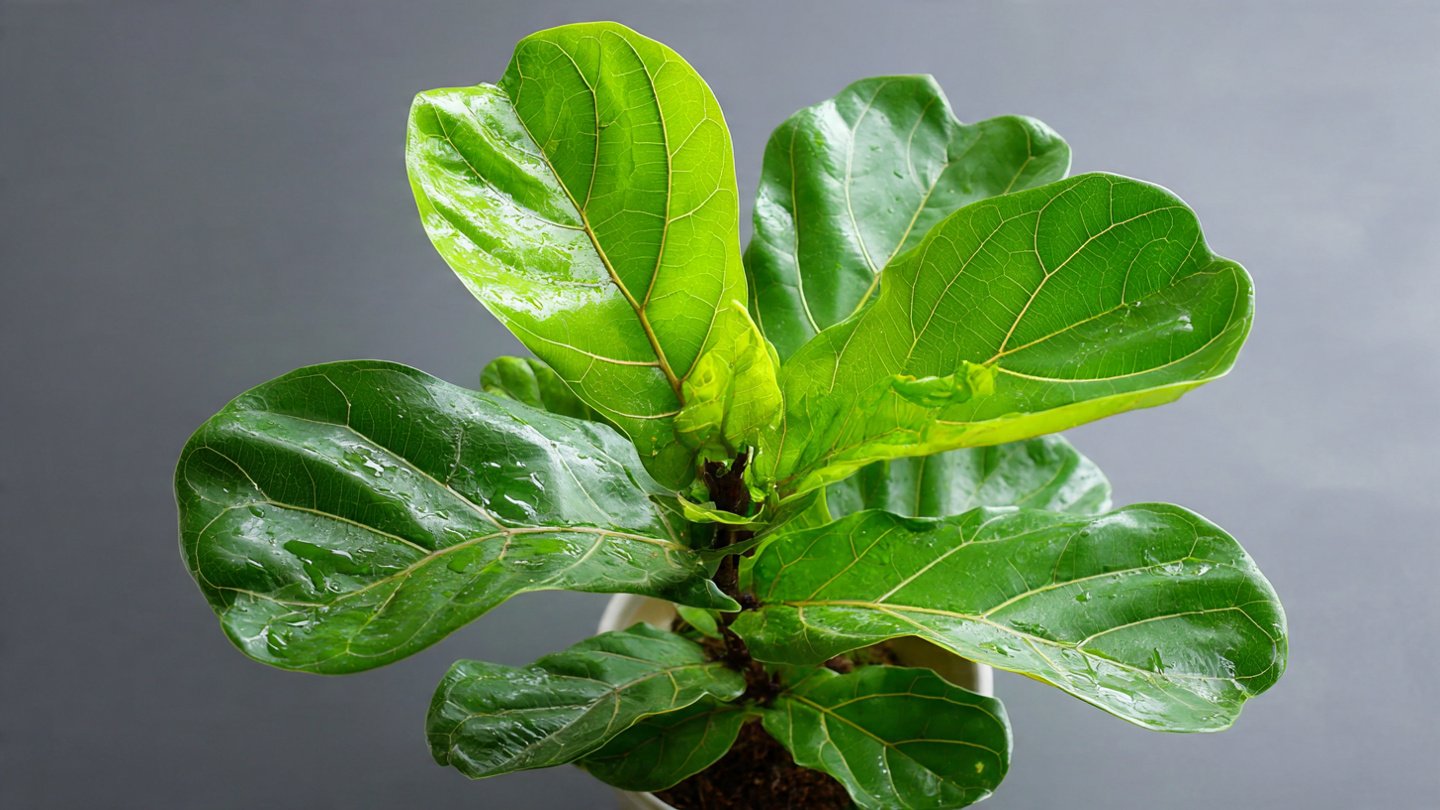
The Fiddle Leaf Fig (Ficus lyrata) has taken the indoor gardening world by storm. Its dramatic, violin-shaped leaves and striking appearance make it a favorite among plant enthusiasts and decorators alike. However, growing a compact Fiddle Leaf Fig can be a bit tricky, especially if you’re new to the world of houseplants. This guide will provide you with essential tips and tricks to successfully grow a compact Fiddle Leaf Fig, ensuring it thrives in your home environment.
Understanding the Fiddle Leaf Fig
Before diving into care tips, let’s explore what makes the Fiddle Leaf Fig special. Native to the tropical regions of West Africa, this plant is loved for its large glossy leaves that can grow quite tall. However, many indoor growers prefer a compact version, which can fit better in smaller spaces while still making a striking statement.
Latest Posts
- Easy Steps to Successfully Grow Bhindi in Grow Bags at Home
- Easy Steps to Grow a Healthy Guava Bonsai at Home for Beginners
- How to Successfully Grow and Cultivate White Strawberry Plants at Home for Delicious and Unique Fruits
- Ultimate Guide to Successfully Growing Weeping Fig Outdoors with Proven Techniques and Expert Tips
- How to Successfully Grow Flemish Beauty Pear Trees in Canada for Optimal Harvest
- Easy Hack to Grow Strawberries Year Round in Your Home Garden for Delicious Harvests
- Growing Flemish Beauty Pears in Canada A Complete Guide for Local Gardens
- The Ultimate Guide to Growing Hibiscus Plants Year Round for Vibrant Blooms and Healthy Foliage
- Easy Ways to Boost the Growth Rate of Your Indoor Peace Lily for Lush Green Foliage
- How to Successfully Grow Oak Leaf Lettuce in Your Home Garden for Fresh and Flavorful Salads
Why Size Matters
Compact versions are easier to manage in terms of growth and maintenance. They typically stay under three feet in height, making them ideal for apartments or homes with limited space. Moreover, a smaller plant is less likely to suffer from self-weighing issues or lower light problems that can occur with taller plants.
Selecting the Right Plant
Choose Healthy Specimens
When selecting a compact Fiddle Leaf Fig, look for a plant that has vibrant, deep green leaves without any browning or wilting. The leaves should be firm to the touch. Avoid plants with yellowing leaves or visible pests, which may indicate underlying health issues.
Pot Size Matters
Starting with the right pot is crucial. A pot that is too large can retain excess moisture, leading to root rot. Conversely, a pot that is too small can stunt your plant’s growth. Aim for a pot that is approximately 1-2 inches larger in diameter than the root ball of your chosen plant.
Lighting Conditions
Finding the Perfect Spot
Fiddle Leaf Figs thrive in bright, indirect sunlight. They need at least six hours of indirect light daily. A south-facing window is often ideal. If you’re unable to provide sufficient natural light, consider using artificial grow lights to supplement.
Rotating Your Plant
To keep your Fiddle Leaf Fig growing evenly, rotate the pot every few weeks. This practice helps ensure that each side of the plant receives equal light and prevents it from becoming lopsided.
Soil Composition
Use the Right Soil
Fiddle Leaf Figs prefer a well-draining potting mix. A combination of potting soil, perlite, and orchid bark can create an excellent medium that retains moisture while allowing for excess drainage. This mix helps prevent root rot and encourages healthy growth.
Repotting
As your Fiddle Leaf Fig grows, you may find that it needs to be repotted. This usually happens every 1-2 years. When repotting, select a slightly larger pot and ensure the new soil has similar properties to the initial mix to maintain consistency.
Watering Techniques
Finding the Right Balance
One of the most critical aspects of caring for a Fiddle Leaf Fig is watering. Too much water can lead to root rot, whereas too little can cause stress. A good rule of thumb is to check the soil moisture about 2 inches down. If it’s dry, it’s time to water.
Watering Method
When you water, do so thoroughly until the water drains out of the bottom of the pot. Make sure to empty the saucer under the pot if water accumulates, as Fiddle Leaf Figs are sensitive to sitting in water.
Humidity and Temperature
Favorable Conditions
Fiddle Leaf Figs thrive in high humidity environments, typically around 30-65%. If you live in a dry climate, consider using a humidifier or placing a tray filled with water and pebbles beneath the plant to boost humidity.
Ideal Temperature Range
The ideal temperature for a Fiddle Leaf Fig ranges from 60°F to 75°F (15°C to 24°C). Protect your plant from cold drafts, sudden temperature changes, and direct heating from radiators or vents.
Fertilization
Nutritional Needs
During the growing season (spring and summer), your Fiddle Leaf Fig will benefit from regular fertilization. Use a diluted all-purpose liquid fertilizer every 4-6 weeks. This added nutrition can promote lush growth and vibrant leaves.
Signs of Nutrient Deficiency
If you notice yellowing leaves or stunted growth, your plant may be lacking essential nutrients. Ensure you’re fertilizing appropriately, and feel free to switch to a fertilizer designed especially for houseplants.
Pruning and Shaping
Keep It Compact
To encourage bushier, compact growth, regular pruning is crucial. Trim back long stems and remove any dead or damaged leaves. This will not only enhance the plant’s appearance but also promote new growth.
Timing Matters
The best time to prune your Fiddle Leaf Fig is during the growing season (spring to early summer). Avoid heavy pruning in the late fall or winter, as this is when the plant is dormant.
Handling Pests
Common Issues
Fiddle Leaf Figs are generally hardy but can be vulnerable to pests like spider mites, mealybugs, and scale. Regularly inspect your plant for signs of infestation, such as white spots or sticky residue.
Pest Control
If you notice pests, isolate the plant immediately to prevent spreading. You can treat minor infestations by wiping the leaves with soapy water or using insecticidal soap as directed. For severe cases, you may need to consider more robust treatments.
Troubleshooting Tips
Yellow Leaves
If your Fiddle Leaf Fig’s leaves are turning yellow, consider these factors:
- Overwatering: Check if the soil is too wet.
- Underwatering: Ensure you have a consistent watering schedule.
- Nutrient Deficiency: Increase your fertilization regime.
Browning Edges
Browning edges can point to low humidity levels or excessive exposure to direct sunlight. Monitor your plant’s environment and make necessary adjustments.
Seasonal Care
Winter Care
During winter months, your Fiddle Leaf Fig may not need as much water or nutrients. Reduce fertilization and allow the top few inches of soil to dry out before watering.
Summer Care
In the summer, increase humidity and water more frequently as the plant’s growth rate will be at its peak. Consider moving it outdoors to an area with filtered light, but be cautious of direct sun exposure.
Conclusion
Cultivating a compact Fiddle Leaf Fig can be a rewarding experience, offering both beauty and a sense of accomplishment. By following these care tips, you’ll create an optimal environment for your plant to thrive. Remember that patience is key; with the right conditions and care, your Fiddle Leaf Fig will flourish and become a stunning focal point in your living space. Happy gardening!