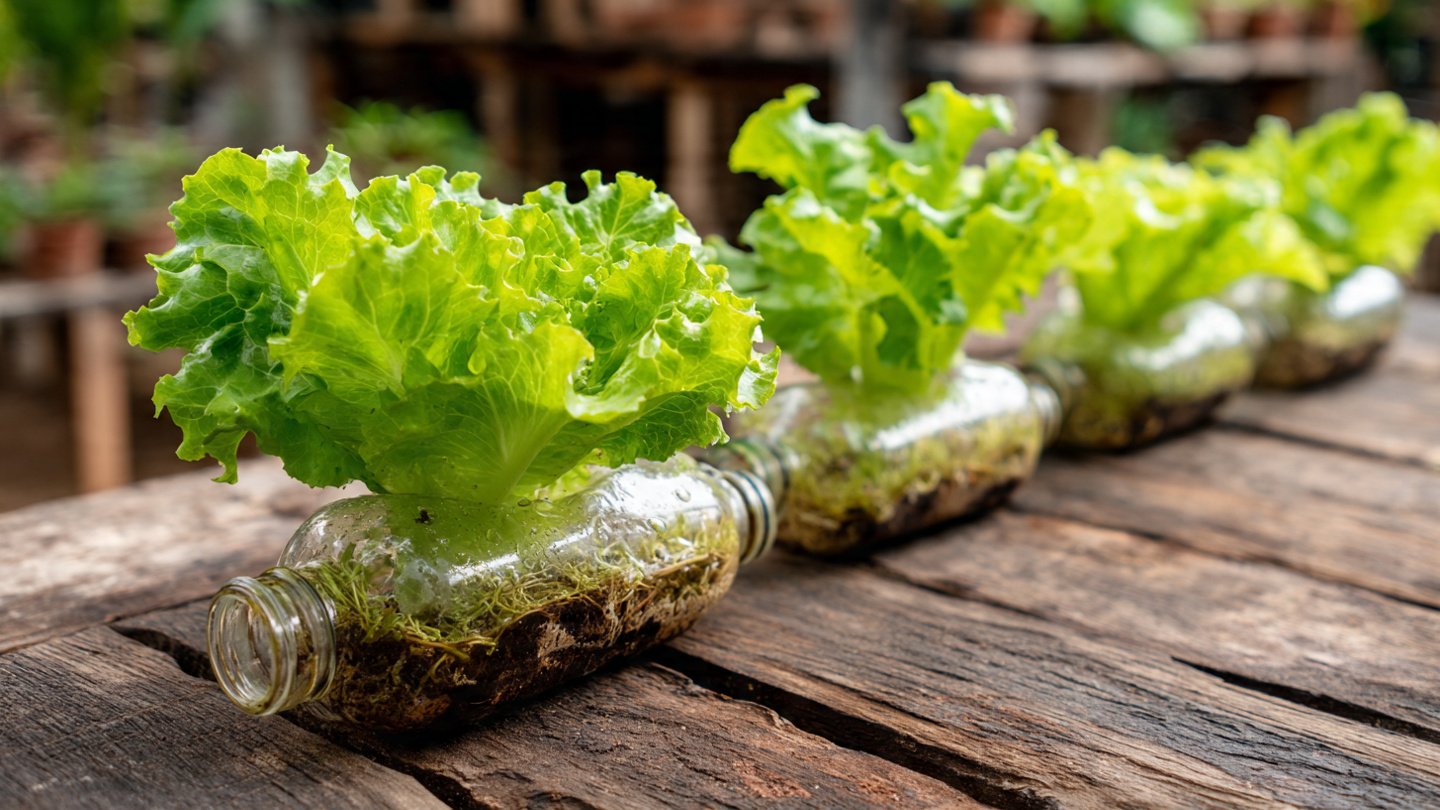
Growing lettuce at home can be both enjoyable and rewarding, especially when you utilize creative, sustainable methods. Using plastic bottles to cultivate lettuce is an innovative, eco-friendly approach that combines gardening with recycling. This simple DIY guide will walk you through the entire process of growing lettuce using plastic bottles, making it perfect for beginners, urban gardeners, and anyone interested in reducing waste while growing fresh greens.
Why Grow Lettuce in Plastic Bottles?
Using plastic bottles as planters offers several benefits:
- Eco-Friendly: It reduces plastic waste by repurposing bottles that would otherwise end up in landfills.
- Space-Saving: Ideal for small spaces like balconies, windowsills, or compact urban gardens.
- Cost-Effective: Free or inexpensive materials mean you can grow your own food without a hefty investment.
- Control Over Growing Conditions: You can move the bottles around to optimize light and temperature.
- Fun and Educational: Great for kids and beginners to learn about plant growth and sustainability.
What You Need
Before starting, gather the following materials:
- Empty plastic bottles (1- to 2-liter bottles work best)
- Sharp scissors or a craft knife
- Potting soil or a seed-starting mix
- Lettuce seeds (leaf lettuce varieties are ideal for container gardening)
- Watering can or spray bottle
- Small rocks or pebbles (for drainage)
- A tray or dish to catch excess water (optional)
- Marker or tape (optional, for labeling)
Step-by-Step Guide
Step 1: Prepare the Bottles
- Clean the bottles thoroughly: Remove labels, caps, and rinse the bottles well to get rid of any residue.
- Cut the bottle: There are two main ways to use bottles for planting lettuce:
- Horizontal planter: Cut a large horizontal opening on one side of the bottle, leaving a lip to hold the soil.
- Vertical planter: Cut the bottle in half or cut a portion from the side near the top to create a “mouth” for planting.
For beginners, the horizontal method is easier as it allows more space for the lettuce roots.
- Create drainage holes: Punch 4-6 small holes in the bottom or lower part of the bottle to allow excess water to drain out and prevent root rot.
Step 2: Prepare the Drainage Layer
Add small rocks or pebbles at the bottom of the bottle to improve drainage. This helps keep the roots healthy by preventing waterlogging.

Step 3: Add Soil
Fill the bottle with potting soil or seed-starting mix up to about 1 inch below the opening. Lettuce grows best in loose, well-drained soil. Avoid compacting the soil too much to allow roots to spread comfortably.
Latest Posts
- Easy Steps to Successfully Grow Bhindi in Grow Bags at Home
- Easy Steps to Grow a Healthy Guava Bonsai at Home for Beginners
- How to Successfully Grow and Cultivate White Strawberry Plants at Home for Delicious and Unique Fruits
- Ultimate Guide to Successfully Growing Weeping Fig Outdoors with Proven Techniques and Expert Tips
- How to Successfully Grow Flemish Beauty Pear Trees in Canada for Optimal Harvest
- Easy Hack to Grow Strawberries Year Round in Your Home Garden for Delicious Harvests
- Growing Flemish Beauty Pears in Canada A Complete Guide for Local Gardens
- The Ultimate Guide to Growing Hibiscus Plants Year Round for Vibrant Blooms and Healthy Foliage
- Easy Ways to Boost the Growth Rate of Your Indoor Peace Lily for Lush Green Foliage
- How to Successfully Grow Oak Leaf Lettuce in Your Home Garden for Fresh and Flavorful Salads
Step 4: Plant the Lettuce Seeds
- Sow the seeds: Sprinkle lettuce seeds evenly on the soil surface. You can plant several seeds since not all will germinate.
- Cover lightly: Add a thin layer of soil over the seeds — about 1/8 inch or just enough to cover them lightly.
- Water gently: Use a spray bottle or watering can to moisten the soil. Be careful not to wash away the seeds.
Step 5: Position for Optimal Growth
Place your lettuce planter in a location that receives plenty of indirect sunlight, such as near a window or on a balcony. Lettuce prefers cooler temperatures and partial sun, about 10-12 hours of light per day.

Step 6: Water and Maintain
- Water regularly: Keep the soil moist but not soggy. Lettuce needs consistent moisture for tender leaves.
- Thin the seedlings: When the seedlings grow to about 2 inches tall, thin them by snipping off the smaller, weaker plants to allow the best ones to thrive.
- Watch for pests: Inspect your plants for pests like aphids or slugs and treat organically if needed.
Step 7: Harvesting
Lettuce can be harvested in about 30-45 days, depending on the variety. For leaf lettuce, you can start harvesting outer leaves as soon as they reach a usable size, allowing the inner leaves to continue growing. Harvest by cutting leaves about an inch above the soil line to encourage regrowth.
Tips for Success
- Use bottles with clear sides to monitor soil moisture and root health.
- Rotate the bottles occasionally to ensure even light exposure.
- Experiment with different lettuce varieties such as romaine, butterhead, or loose leaf.
- Reuse the soil for subsequent planting by refreshing with compost or new nutrient additives.
- Consider adding liquid fertilizer every few weeks to promote healthy growth.
Environmental Impact and Benefits
Using plastic bottles not only supports sustainable gardening but also raises awareness of plastic pollution. By repurposing bottles into planters, gardeners reduce plastic waste and contribute to a circular economy. The fresh lettuce grown is free of pesticides and preservatives, supporting healthier food choices.

Variations and Enhancements
- Vertical Bottle Tower: Stack several bottles vertically by cutting openings and attaching them, creating a vertical garden that maximizes space.
- Self-Watering Planters: Modify bottles to hold water in the bottom section with a wick to keep soil moist longer.
- Hydroponic Lettuce: Use bottles as reservoirs for water-based nutrient solutions if you want to experiment with hydroponics.
Conclusion
Growing lettuce using plastic bottles is a creative and practical way to cultivate fresh greens at home while promoting sustainability. It’s a simple DIY project perfect for gardeners of all ages and skill levels. By following this guide, you can enjoy fresh, homegrown lettuce, reduce plastic waste, and develop a rewarding hobby that brings health and environmental benefits to your life.
Start your plastic bottle lettuce garden today and watch how small efforts can make a big difference!