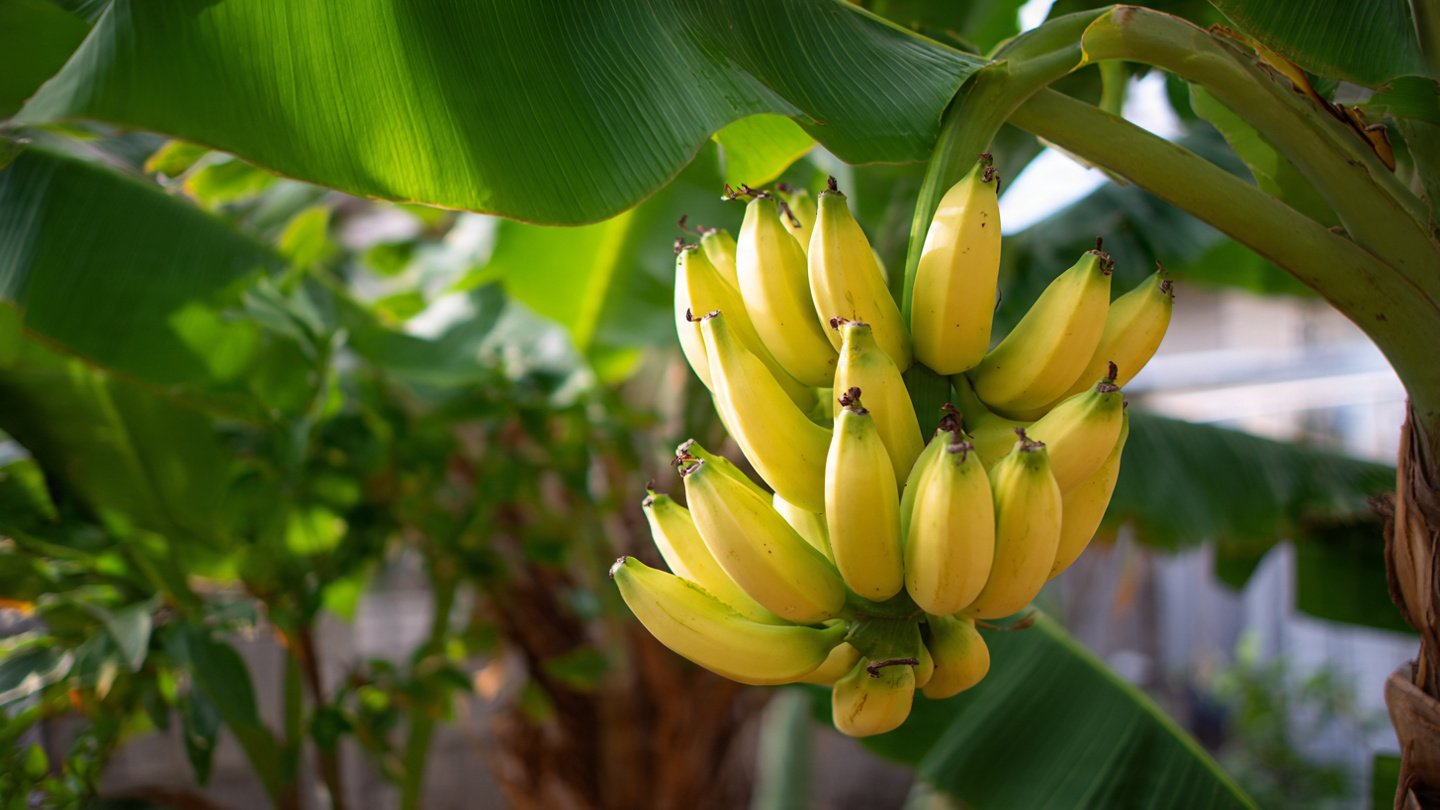
Bananas are often associated with tropical climates, but you don’t need a vast garden to enjoy homegrown bananas. Growing bananas in containers is not only feasible but can also be incredibly rewarding. Whether you have a balcony, patio, or small garden space, with the proper techniques, you can cultivate your very own banana plants. In this guide, we will explore essential tips for thriving banana plants in containers.
Understanding Banana Plants
Types of Banana Plants
Latest Posts
- Easy Steps to Successfully Grow Bhindi in Grow Bags at Home
- Easy Steps to Grow a Healthy Guava Bonsai at Home for Beginners
- How to Successfully Grow and Cultivate White Strawberry Plants at Home for Delicious and Unique Fruits
- Ultimate Guide to Successfully Growing Weeping Fig Outdoors with Proven Techniques and Expert Tips
- How to Successfully Grow Flemish Beauty Pear Trees in Canada for Optimal Harvest
- Easy Hack to Grow Strawberries Year Round in Your Home Garden for Delicious Harvests
- Growing Flemish Beauty Pears in Canada A Complete Guide for Local Gardens
- The Ultimate Guide to Growing Hibiscus Plants Year Round for Vibrant Blooms and Healthy Foliage
- Easy Ways to Boost the Growth Rate of Your Indoor Peace Lily for Lush Green Foliage
- How to Successfully Grow Oak Leaf Lettuce in Your Home Garden for Fresh and Flavorful Salads
Before you begin, it’s important to understand that there are different types of banana plants. The most commonly grown varieties for home gardens include:
- Cavendish: The most popular supermarket variety.
- Dwarf Brazilian: A smaller variety that produces sweet, medium-sized bananas.
- Red Dacca: Known for its red-purple skin and sweet flavor.
Each of these varieties has unique characteristics that might influence your choice, especially when it comes to container growing.
Growing Zones
Bananas thrive in USDA hardiness zones 9 to 11. If you live in cooler climates, you can still grow bananas in containers that can be moved indoors during colder months.
Selecting the Right Container
Container Size
Choosing the right container is crucial for the health of your banana plants. A container with a volume of at least 15 gallons is recommended. Larger containers will retain moisture better and provide more space for the roots to grow. A wider container also allows for stronger root growth.
Container Material
When selecting a container, consider the following materials:
- Clay Pots: Provide good aeration but may dry out quickly. These are ideal if you can maintain consistent moisture levels.
- Plastic Pots: Retain moisture well and are lightweight, but ensure they have adequate drainage holes.
- Wooden Containers: Offer a rustic look and good insulation but can decay over time.
Soil Requirements
Choosing the Right Soil
Bananas prefer rich, well-draining soil with a pH between 5.5 and 7.0. Here’s how to create an ideal mix:
- Potting Soil: Start with a high-quality potting mix.
- Organic Matter: Add compost to enhance fertility. This provides essential nutrients and improves soil structure.
- Perlite or Sand: Mix in perlite or coarse sand for better drainage. This prevents waterlogging, which is detrimental to banana roots.
Watering Your Banana Plants
Watering Frequency
Bananas require consistent watering, especially during the growing season. While they thrive in moist soil, they do not tolerate standing water. Check the moisture level regularly; the top inch of the soil should feel slightly dry before watering again.
Watering Technique
- Deep Watering: When you water, ensure that you saturate the soil thoroughly. This encourages deep root growth.
- Drainage: Ensure your container has drainage holes. Excess water should drain out to prevent root rot.
Light Requirements
Bananas love sunlight and need a minimum of 6-8 hours of direct sunlight daily. If you’re growing bananas indoors, place them near south-facing windows. In outdoor settings, ensure they receive full sun while also being sheltered from harsh winds.
Supplemental Lighting
If you live in areas with limited sunlight, consider using grow lights. Full-spectrum LED lights can mimic sunlight and promote healthy growth.
Fertilizing Your Banana Plants
Nutrient Requirements
Bananas are heavy feeders, requiring a balanced fertilizer with a high potassium content. Look for fertilizers specifically formulated for fruiting plants. Here’s how to fertilize effectively:
- Application Frequency: Fertilize every 4-6 weeks during the growing season (spring through summer). Reduce frequency in fall and winter.
- Granular vs. Liquid: Granular fertilizers can be mixed into the soil, while liquid fertilizers can be diluted and applied during watering.
Organic Alternatives
If you prefer organic methods, consider using compost or well-rotted manure. Additionally, banana peels are rich in potassium and can be chopped and added to your soil.
Pruning and Maintenance
Pruning for Health
Regularly removing dead or damaged leaves helps maintain plant health and encourages new growth. Moreover, pruning can help manage the size of your banana plant, making it suitable for container growth.
Managing Offshoots
Banana plants produce offshoots, also known as “pups.” These can be separated and potted individually once they are about one-third the size of the parent plant. This not only helps manage space but can also provide new plants for future cultivation.
Pest and Disease Management
Common Pests
While banana plants are relatively resistant to pests, they can be affected by:
- Aphids: These small insects suck sap from leaves. They can usually be managed with insecticidal soap.
- Spider Mites: Indicated by webbing and tiny spots on leaves. Increase humidity around the plant and use neem oil for treatment.
Diseases to Watch
Banana plants can be susceptible to diseases such as:
- Root Rot: Caused by overwatering. Ensure proper drainage and avoid waterlogging.
- Leaf Spot: Look for brown spots on leaves. Remove affected leaves, and consider fungicides if necessary.
Harvesting Your Bananas
When to Harvest
Bananas take about 9-12 months to mature from flowering to harvest. It’s usually best to harvest bananas when they are plump, and the skin is still green. If left on the plant too long, they may ripen too quickly.
Post-Harvest Care
After cutting the bunch, allow the bananas to ripen indoors at room temperature. You can speed up the process by placing them in a paper bag.
Winter Care
Overwintering Methods
In colder climates, you’ll need to prepare your banana plant for winter. Here are a few strategies:
- Bring Indoors: If you’re using a container, bring the plant indoors before the first frost. Maintain temperatures above 60°F (15°C).
- Mulching: If your banana plant is in the ground, add a thick layer of mulch around the base to insulate the roots.
Troubleshooting Common Issues
Yellowing Leaves
Yellowing leaves can indicate overwatering, poor nutrient levels, or insufficient light. Check your watering schedule, consider fertilizing, and ensure adequate sunlight.
Small Fruit
If your bananas are not developing properly, it may be due to insufficient nutrients or light. Adjust your fertilization schedule and ensure your plant gets enough sunlight.
Conclusion
Growing bananas in containers can be a fulfilling experience, turning your small space into a tropical oasis. With the right container, soil, light conditions, and care, you can cultivate thriving banana plants right at home. Remember to monitor your plants regularly for pests and diseases, and don’t hesitate to experiment with different varieties. Before long, you’ll be enjoying the fruits of your labor—literally! Happy gardening!