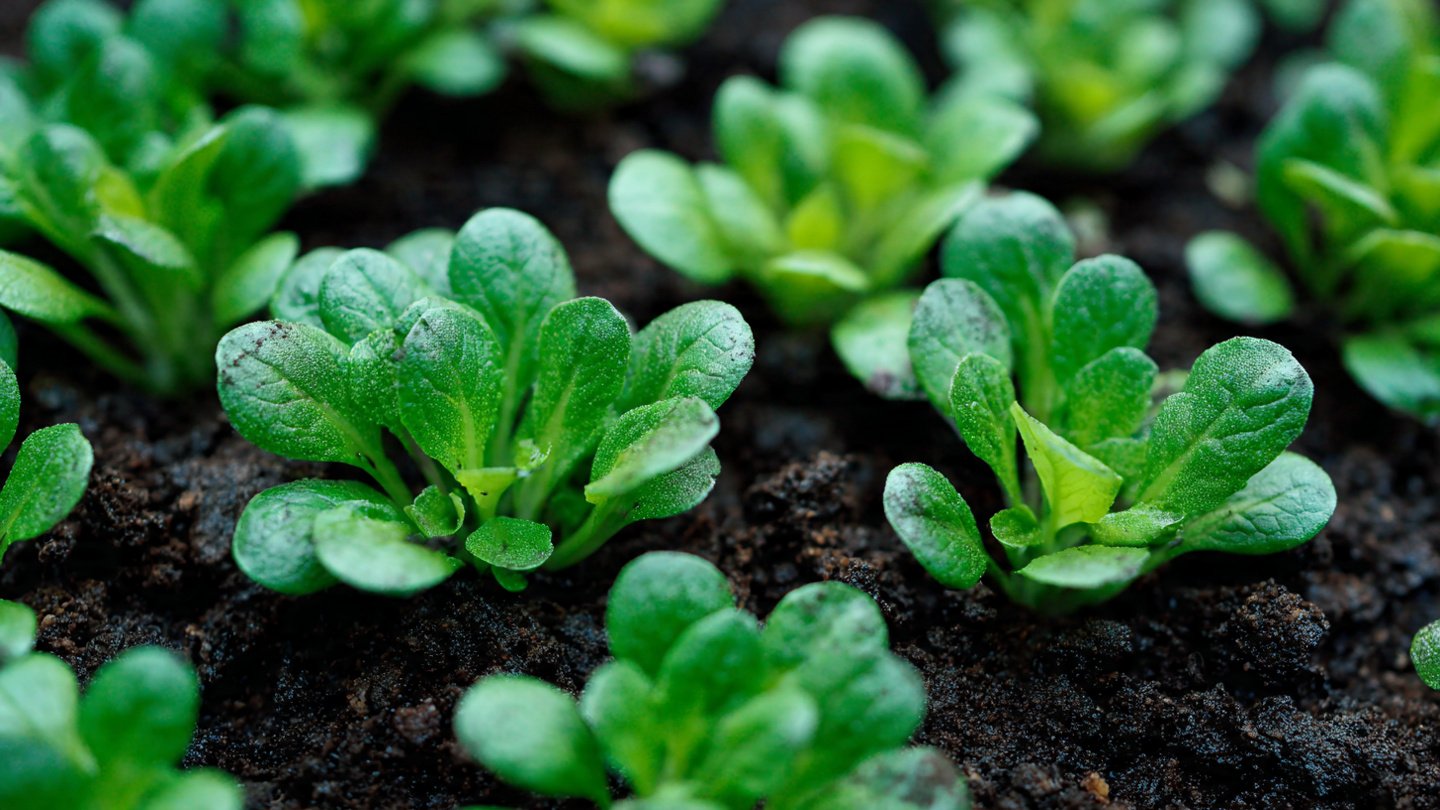
Saunf, commonly known as fennel, is an aromatic herb that is widely used in cooking and herbal medicine. With its distinctive flavor and numerous health benefits, it’s no wonder that many gardeners are eager to grow saunf greens at home. This comprehensive guide will cover everything from the basics of saunf cultivation to harvesting and using the greens, ensuring that you can successfully grow this delightful herb in your very own garden.
Understanding Saunf
What is Saunf?
Latest Posts
- Easy Steps to Successfully Grow Bhindi in Grow Bags at Home
- Easy Steps to Grow a Healthy Guava Bonsai at Home for Beginners
- How to Successfully Grow and Cultivate White Strawberry Plants at Home for Delicious and Unique Fruits
- Ultimate Guide to Successfully Growing Weeping Fig Outdoors with Proven Techniques and Expert Tips
- How to Successfully Grow Flemish Beauty Pear Trees in Canada for Optimal Harvest
- Easy Hack to Grow Strawberries Year Round in Your Home Garden for Delicious Harvests
- Growing Flemish Beauty Pears in Canada A Complete Guide for Local Gardens
- The Ultimate Guide to Growing Hibiscus Plants Year Round for Vibrant Blooms and Healthy Foliage
- Easy Ways to Boost the Growth Rate of Your Indoor Peace Lily for Lush Green Foliage
- How to Successfully Grow Oak Leaf Lettuce in Your Home Garden for Fresh and Flavorful Salads
Saunf (Foeniculum vulgare), or fennel, is a flowering plant species in the carrot family. It is characterized by its feathery leaves and a bulbous base. Both the leaves and seeds of the saunf plant are edible, offering a mild, sweet flavor with hints of anise. Saunf greens, specifically, refer to the leaves and stalks, which are often used in a variety of culinary dishes.
Health Benefits
Saunf is not just a culinary delight; it also offers significant health benefits, including:
- Digestive Aid: Fennel seeds are often used to relieve bloating and gas.
- Antioxidant Properties: Rich in antioxidants, saunf supports overall health.
- Anti-inflammatory Effects: It may help reduce inflammation in the body.
- Hormonal Balance: Fennel is believed to have phytoestrogens, which can help balance hormones.
With these benefits in mind, it becomes clear why adding saunf greens to your garden is a worthwhile endeavor.
Preparing to Grow Saunf
Choosing the Right Location
Saunf thrives in well-draining soil and full sunlight. Select a spot in your garden that receives at least 6-8 hours of sunlight daily. A sunny windowsill can also serve if you’re limited to indoor gardening.
Soil Requirements
Fennel prefers rich, loamy soil with a pH level between 6.0 and 7.0. To prepare your soil:
- Test the Soil: Use a home testing kit to determine the pH and nutrient levels.
- Amend as Needed: Incorporate compost or well-rotted manure to enrich the soil.
Sowing Seeds
Saunf can be grown from seeds or seedlings. Here’s how to start from seeds:
- When to Plant: Sow seeds in early spring once the danger of frost has passed. In warmer climates, you may also plant in the fall.
- Seed Depth: Plant seeds about ¼ to ½ inch deep in the soil.
- Spacing: Space seeds about 1-2 feet apart, as fennel needs room to grow.
Growing Conditions
Watering

Fennel requires moderate watering. Use the following guidelines:
- Initial Watering: Water the seeds immediately after sowing.
- Consistent Moisture: Keep the soil consistently moist but not waterlogged.
- Drought Tolerance: Once established, fennel can tolerate short periods of drought, but consistent moisture improves flavor and yield.
Fertilizing
While saunf doesn’t require heavy feeding, a balanced fertilizer can enhance growth:
- Timing: Apply a balanced, slow-release fertilizer at planting time and again in mid-summer.
- Organic Options: Compost tea is an excellent organic option for feeding your saunf greens.
Pest and Disease Control
Fennel is generally resistant to pests and diseases, but vigilance is important:
- Common Pests: Watch for aphids, caterpillars, and spider mites. Neem oil or insecticidal soap can curb infestations.
- Diseases: Root rot can occur in overly wet conditions; ensure good drainage to prevent this.

Caring for Saunf Greens
Pruning and Maintenance
Encourage bushy growth by pruning your fennel regularly:
- Removing Flower Heads: If your fennel starts budding, cut off the flower heads to encourage more leaf production.
- Thinning: If seedlings are overcrowded, thin them out to allow proper air circulation and space for growth.
Companion Planting
Fennel can attract beneficial insects, making it a great companion plant. However, it may inhibit the growth of certain plants like beans and tomatoes. Consider pairing saunf with:
- Good Companions: Coriander, basil, and marigolds.
- Plants to Avoid: Carrots and dill should be avoided near fennel.
Harvesting Saunf Greens
When to Harvest
You can start harvesting saunf greens:
- Timing: Generally, harvest can begin about 8 weeks after sowing.
- Signs: Look for vibrant green leaves; younger leaves tend to be more tender and flavorful.

How to Harvest
Harvesting fennel regularly encourages further growth:
- Cutting Method: Use scissors or shears to snip off the outer leaves, allowing the inner leaves to continue growing.
- Avoid Overharvesting: Don’t remove more than a third of the plant at a time to maintain its health.
Using Saunf Greens
Culinary Uses
Saunf greens are versatile and can be used in various dishes, including:
- Salads: Add fresh leaves to salads for a burst of flavor.
- Stir-Fries: Incorporate saunf greens into stir-fries for added depth.
- Soup Garnish: Use as a garnish for soups and stews.
Storage
If you do not use your saunf greens immediately, you can store them:
- In the Refrigerator: Wrap in a damp paper towel and place in a plastic bag. They should keep for about one week.
- Freezing: Blanch the leaves briefly and then freeze them for longer storage.
Troubleshooting Common Problems
Even experienced gardeners encounter issues. Here are some common problems and their solutions:
- Plant Bolting: If your fennel bolts (produces flowers prematurely), it’s often due to stress or high temperatures. Provide shade during hot days.
- Weak Growth: If plants appear leggy or weak, they may require more sunlight. Consider relocating or pruning surrounding plants for better light exposure.
- Pests and Diseases: Consult local gardening resources for specific recommendations if you face pest or disease issues.
Conclusion
Growing saunf greens at home can be a rewarding experience, both for culinary enthusiasts and health-conscious individuals. By following this comprehensive guide, you can cultivate a thriving saunf plant in your garden, ensuring a continuous supply of fresh, aromatic greens to enhance your meals. Whether in a garden bed, container, or windowsill, the process of nurturing this plant from seed to harvest is not only gratifying but also beneficial to your health. So gather your materials, find a sunny spot, and get started on your journey to growing saunf greens at home!