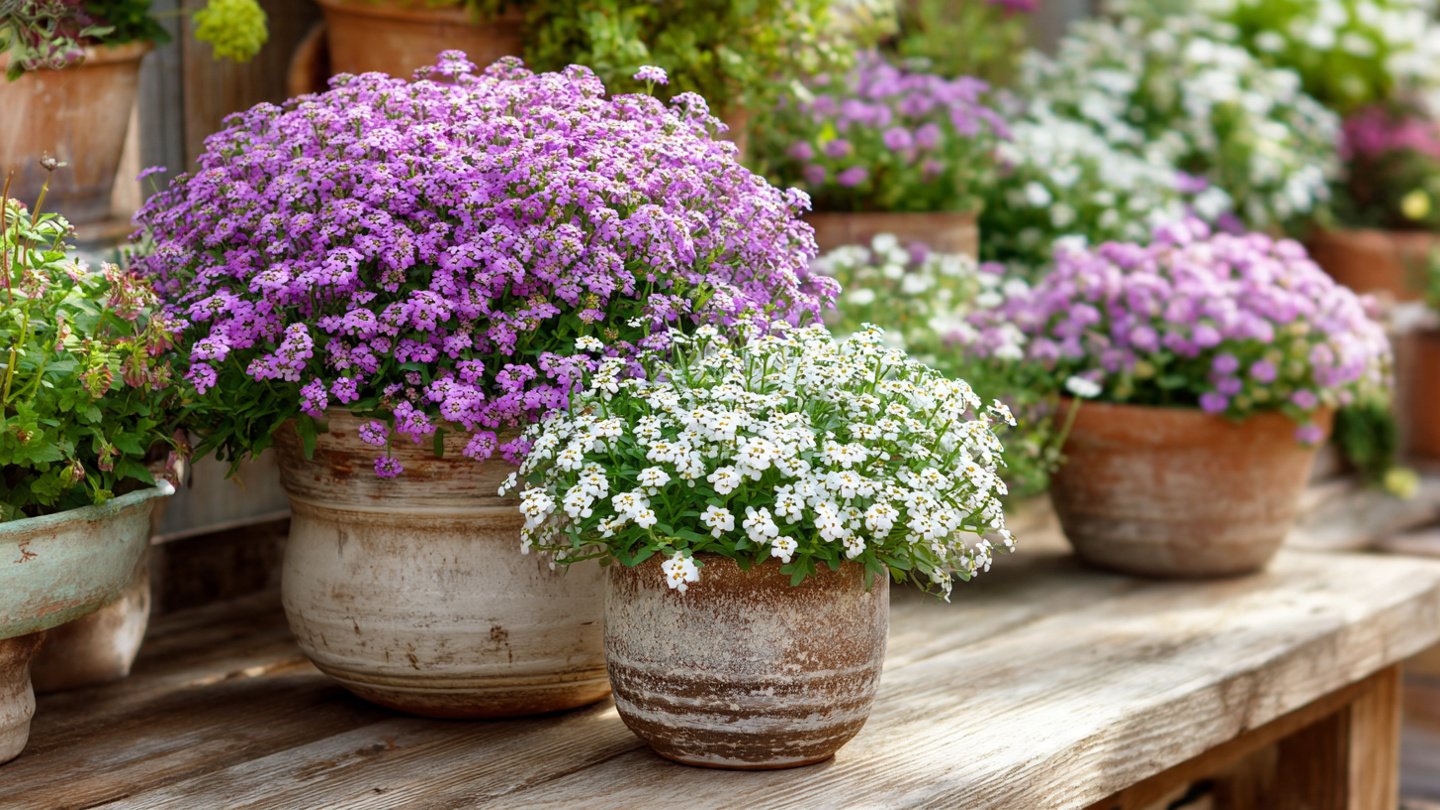
Alyssum, with its delicate blossoms and sweet fragrance, is a beloved choice for gardeners and decor enthusiasts alike. Whether you’re a seasoned green thumb or a beginner, growing alyssum in pots can be both rewarding and straightforward. In this article, we will explore various methods to cultivate alyssum, uncover some handy tips, and even delve into the benefits of potting this lovely flower. Let’s bloom beautifully!
Understanding Alyssum
Before diving into the cultivation process, it’s essential to understand what alyssum is. Botanically known as Lobularia maritima, alyssum belongs to the mustard family and is native to Europe. The most commonly grown variety is the sweet alyssum, which features tiny, fragrant flowers in shades of white, pink, and lavender.
Latest Posts
- Easy Steps to Successfully Grow Bhindi in Grow Bags at Home
- Easy Steps to Grow a Healthy Guava Bonsai at Home for Beginners
- How to Successfully Grow and Cultivate White Strawberry Plants at Home for Delicious and Unique Fruits
- Ultimate Guide to Successfully Growing Weeping Fig Outdoors with Proven Techniques and Expert Tips
- How to Successfully Grow Flemish Beauty Pear Trees in Canada for Optimal Harvest
- Easy Hack to Grow Strawberries Year Round in Your Home Garden for Delicious Harvests
- Growing Flemish Beauty Pears in Canada A Complete Guide for Local Gardens
- The Ultimate Guide to Growing Hibiscus Plants Year Round for Vibrant Blooms and Healthy Foliage
- Easy Ways to Boost the Growth Rate of Your Indoor Peace Lily for Lush Green Foliage
- How to Successfully Grow Oak Leaf Lettuce in Your Home Garden for Fresh and Flavorful Salads
Alyssum thrives in various climates and is well-adapted to container gardening. Its low-growing habit and cascading nature make it a perfect candidate for pots, adding a charming touch to balconies, patios, and window boxes.
Why Grow Alyssum in Pots?
Before we get into the practical aspects of growing alyssum, let’s explore why pot cultivation is an excellent choice:
- Space Efficiency: Potting allows you to grow flowers even in limited spaces.
- Mobility: Containers can be moved according to weather conditions, maximizing light exposure.
- Soil Control: You can customize the soil mixture for optimal growth.
- Pest Management: Container gardening can help in controlling pests more efficiently.
- Aesthetic Appeal: Pots can add a decorative element to your outdoor or indoor spaces.
The Simple Hack for Potting Alyssum
The secret to easily growing alyssum in pots lies in a few simple steps. Here’s a step-by-step guide to get you started.
Step 1: Choosing the Right Pot
Choosing the right pot is fundamental to the success of your alyssum planting. Here are some things to consider:
- Size: A pot that is at least 6-8 inches in diameter is suitable for sowing alyssum seeds. Larger pots can accommodate multiple plants.
- Drainage: Ensure your pot has drainage holes to prevent waterlogging, which can lead to root rot.
- Material: Terra cotta, plastic, and ceramic pots are all viable options. Terra cotta is porous and good for moisture control, while plastic pots are lightweight.
Step 2: Soil Selection
Alyssum prefers well-draining soil rich in organic matter. Here’s how to create an ideal potting mix:
- Start with Potting Soil: Use quality potting soil as your base.
- Add Perlite: Mixing in perlite can improve drainage.
- Incorporate Compost: Adding compost can provide essential nutrients for healthy growth.
A good ratio is about 3 parts potting soil, 1 part perlite, and 1 part compost. This combination encourages root development and sustains the plant.
Step 3: Sowing Seeds
You can choose to cultivate alyssum from seeds or transplants. Here’s how to do it from seed:
- Timing: Plant seeds in early spring or fall, depending on your climate zone. Alyssum can tolerate cool temperatures.
- Sowing: Scatter the seeds evenly across the surface of the soil. They are tiny, so use a light hand.
- Cover Lightly: Lightly press the seeds into the soil or cover them with a thin layer of soil, as they need light to germinate.
- Water: Misting the surface gently is a great way to keep the soil moist without displacing the seeds.
Step 4: Watering and Light Requirements
Alyssum thrives best with specific watering and light conditions:
- Watering: Keep the soil consistently moist but not soggy. Use your finger to check the moisture level—if the top inch feels dry, it’s time to water.
- Light: Alyssum loves full sun but can tolerate partial shade. Position your pots where they’ll receive at least 6-8 hours of sunlight daily.
Step 5: Fertilization
Alyssum is not a heavy feeder, but you can boost its growth with occasional fertilization:
- Use a Balanced Fertilizer: A diluted, water-soluble fertilizer (such as a 10-10-10) can be applied every four to six weeks during the growing season.
- Follow Instructions: Always read the instructions on the fertilizer package for proper dosage, as over-fertilization can burn the roots.

Step 6: Pruning and Maintenance
Keeping your alyssum plants healthy involves a little maintenance:
- Deadheading: Regularly remove spent flowers to encourage new blooms.
- Trimming: If the plants become leggy, trim back the stems to promote bushier growth.
- Pest Management: Monitor for pests like aphids and whiteflies. You can use insecticidal soap or neem oil for treatment.
Step 7: Enjoy the Blooms!
Once your alyssum plants start to bloom, don’t forget to enjoy the fruits of your labor. Their fragrant flowers attract pollinators like bees and butterflies, adding life to your garden space.
Consider pairing your alyssum with other plants for a stunning display. They work well with trailing petunias or contrasting plants like ornamental grasses.
Additional Tips for Successful Alyssum Cultivation
- Seasonal Considerations: In warmer climates, alyssum can survive the winter in pots, but in colder zones, consider bringing them indoors or providing some winter protection.
- Companion Planting: Alyssum is beneficial for companion planting, as it can deter pests from other plants.
- Rotate Your Crops: If growing alyssum in the same container year after year, consider rotating your flowers each season to prevent disease buildup in the soil.
- Utilize Self-Watering Pots: If you’re often away or struggle with watering, consider self-watering pots to maintain moisture levels.
Conclusion
Growing alyssum in pots is not only easy, but it also adds a charming element to your home or garden. With the steps and tips outlined above, you can enjoy colorful and fragrant blooms that bring beauty to any space. Whether you’re enhancing your outdoor decor or creating a lovely indoor oasis, alyssum is a fantastic choice.
So grab your pot, prepare your soil, and start sowing. Witness the magic as your pots transform into a mini paradise of beautiful blooms that will not only brighten your space but also bring joy and tranquility to your life. Happy gardening!