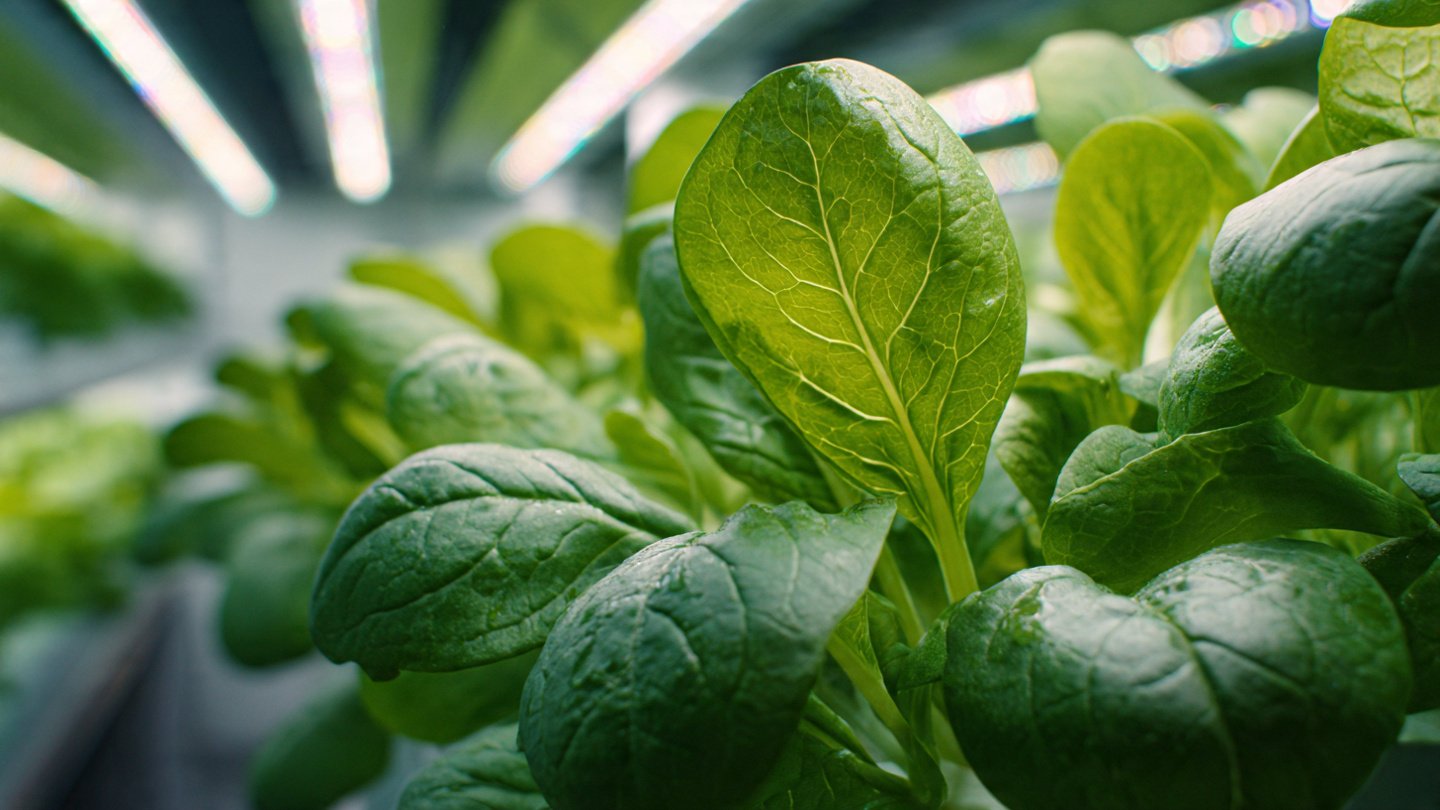
Spinach is a popular leafy green vegetable cherished for its rich nutritional profile, versatility in cooking, and easy cultivation. Growing spinach hydroponically offers a solution for gardeners who want fresh, organic greens year-round, even with limited space and soil. Hydroponic systems allow plants to grow using nutrient-rich water instead of soil, making it an efficient, sustainable, and faster way to produce fresh spinach. This beginner-friendly guide will walk you through everything you need to know to successfully grow hydroponic spinach at home.
Why Grow Hydroponic Spinach?
Hydroponic gardening has many benefits, especially when it comes to growing spinach:
Latest Posts
- Easy Steps to Successfully Grow Bhindi in Grow Bags at Home
- Easy Steps to Grow a Healthy Guava Bonsai at Home for Beginners
- How to Successfully Grow and Cultivate White Strawberry Plants at Home for Delicious and Unique Fruits
- Ultimate Guide to Successfully Growing Weeping Fig Outdoors with Proven Techniques and Expert Tips
- How to Successfully Grow Flemish Beauty Pear Trees in Canada for Optimal Harvest
- Easy Hack to Grow Strawberries Year Round in Your Home Garden for Delicious Harvests
- Growing Flemish Beauty Pears in Canada A Complete Guide for Local Gardens
- The Ultimate Guide to Growing Hibiscus Plants Year Round for Vibrant Blooms and Healthy Foliage
- Easy Ways to Boost the Growth Rate of Your Indoor Peace Lily for Lush Green Foliage
- How to Successfully Grow Oak Leaf Lettuce in Your Home Garden for Fresh and Flavorful Salads
- Faster Growth: Spinach grown hydroponically tends to mature more quickly than soil-grown spinach, sometimes ready to harvest in as little as 4-5 weeks.
- Space Efficiency: Hydroponic systems allow vertical or compact setups, perfect for small spaces such as balconies, patios, or indoor locations.
- Water Conservation: Hydroponics uses less water compared to traditional soil gardening by recirculating nutrient-rich solutions.
- Reduced Pest Problems: Growing spinach in a controlled environment minimizes exposure to common pests and diseases.
- Controlled Nutrient Delivery: Hydroponics lets you tailor nutrient solutions precisely for spinach, promoting healthier plants and higher yields.
- Year-Round Growing: Indoors or in greenhouses, hydroponic systems support continuous production regardless of outdoor seasons.
Getting Started: What You’ll Need
Before planting your hydroponic spinach, gather the following materials and tools:

- Hydroponic System Type: Popular systems for spinach include Nutrient Film Technique (NFT), Deep Water Culture (DWC), and drip systems. For beginners, DWC is often simplest and most cost-effective.
- Grow Lights: If growing indoors or in low-light areas, invest in LED grow lights with full-spectrum capabilities.
- Spinach Seeds: Choose varieties suited to hydroponics, such as Bloomsdale or Baby Leaf.
- Growing Medium: Although no soil is used, media like Rockwool cubes, coconut coir, perlite, or clay pellets provide support for seedlings.
- Nutrient Solution: Purchase a hydroponic nutrient mix formulated for leafy greens.
- pH and EC Meters: Monitoring pH and electrical conductivity (EC) is vital to maintaining nutrient balance.
- Water Container/Reservoir: Holds the nutrient solution.
- Air Pump and Air Stone (for DWC): Oxygenates the nutrient solution, promoting healthy root growth.
- Net Pots or Grow Trays: To hold plants and growing medium.
Step-by-Step Guide to Growing Hydroponic Spinach
Step 1: Setting Up Your Hydroponic System
Choose a system appropriate for your space and budget:
- Deep Water Culture (DWC): Plants are suspended in net pots with roots submerged in oxygenated nutrient water. This system requires an air pump for oxygenation.
- Nutrient Film Technique (NFT): A thin layer of nutrient solution continuously flows over plant roots in a sloped channel.
- Drip System: Nutrient solution drips onto the base of each plant in a timed cycle.

For beginners, a simple DWC setup is highly recommended because it’s easy to assemble, requires minimal parts, and provides oxygen directly to roots.
Step 2: Prepare the Growing Medium
Start by soaking Rockwool cubes or other growing mediums in pH-adjusted water (5.5 to 6.5) for a few hours. This primes the medium for seed germination and uptake.
Step 3: Planting Spinach Seeds
Place two to three spinach seeds per Rockwool cube or growing medium. Keep the seeds moist by misting them lightly with water.
Step 4: Germinating Seeds
Keep the seeds in a warm, humid environment with consistent moisture. A humidity dome or plastic cover over the seedlings helps retain moisture. Keep the temperature between 65°F and 75°F (18°C – 24°C) for optimal germination. Seedlings usually sprout within 5-10 days.
Step 5: Transferring Seedlings to Hydroponic System
Once seedlings have developed two to three true leaves and healthy roots about 1-2 inches long, transfer them into the hydroponic system’s net pots. Ensure roots are submerged in the nutrient solution but avoid full immersion of the entire plant.

Step 6: Nutrient Solution Management
Prepare and fill the reservoir with water and an appropriate hydroponic nutrient mix formulated for leafy greens. Spinach plants prefer a nitrogen-rich solution for growth.
- pH Level: Maintain between 5.5 and 6.5.
- Electrical Conductivity (EC): Keep the nutrient concentration between 1.5 and 2.5 mS/cm for optimal uptake.
- Change the nutrient solution every 1-2 weeks to avoid buildup of salts and ensure fresh nutrients.
Step 7: Light Requirements
Spinach needs 12-16 hours of light per day to thrive indoors. Use full-spectrum LED grow lights positioned 6-12 inches above the plants. Natural sunlight can also be supplemented if available.
Step 8: Temperature and Humidity Control
Keep ambient temperatures between 60°F and 75°F (15°C – 24°C) for optimal growth. Spinach tolerates cooler temps better than heat. Maintain humidity around 50-70%. High humidity helps prevent leaf stress while avoiding excess moisture that can cause mold.
Step 9: Monitoring and Maintaining the System
Regularly check:

- Water levels in the reservoir.
- pH and EC readings daily.
- Air pump functionality and oxygenation.
- Signs of pests or diseases.
Prune older leaves periodically for better airflow and encourage continuous production.
Harvesting Hydroponic Spinach
Spinach leaves can be harvested 4-6 weeks after planting depending on varieties and conditions. Harvest by cutting outer leaves individually, allowing inner leaves to continue growing—this method promotes multiple harvests (cut-and-come-again).
For baby spinach, leaf size can be 2-3 inches before harvest. Larger leaves can be harvested for mature spinach.
Common Challenges and Tips for Success
- Yellowing Leaves: Often caused by nutrient imbalances or pH issues. Adjust the solution and monitor pH carefully.
- Bolting (Premature Flowering): High temperatures or long days cause spinach to bolt, leading to bitterness. Keep temperatures cool and provide adequate light duration.
- Algae Growth: Prevent algae by covering reservoirs and using opaque containers.
- Root Rot: Caused by stagnant water or lack of oxygen. Use air pumps and maintain good water circulation.
- Pests and Diseases: Maintain clean growing environment; inspect regularly for aphids or fungal diseases.

Nutritional Benefits of Hydroponic Spinach
Hydroponically grown spinach offers the same, if not better, nutritional benefits compared to soil-grown:
- Rich in vitamins A, C, K, and folate.
- High in iron, calcium, magnesium, and potassium.
- Contains antioxidants, anti-inflammatory compounds, and fiber.
- Freshly harvested hydroponic spinach retains more nutrients due to minimal storage time.
Conclusion
Growing hydroponic spinach is an excellent way to obtain fresh, nutritious greens year-round, especially for those with limited garden space or poor soil quality. With moderate initial setup and routine maintenance, hydroponic spinach can thrive and provide continuous harvests of crisp, flavorful leaves. Whether indoors in your kitchen or in a small balcony garden, hydroponics empowers anyone to cultivate healthy greens sustainably and efficiently. Embrace hydroponic spinach cultivation today and enjoy the benefits of fresh, homegrown nutrition all year long!