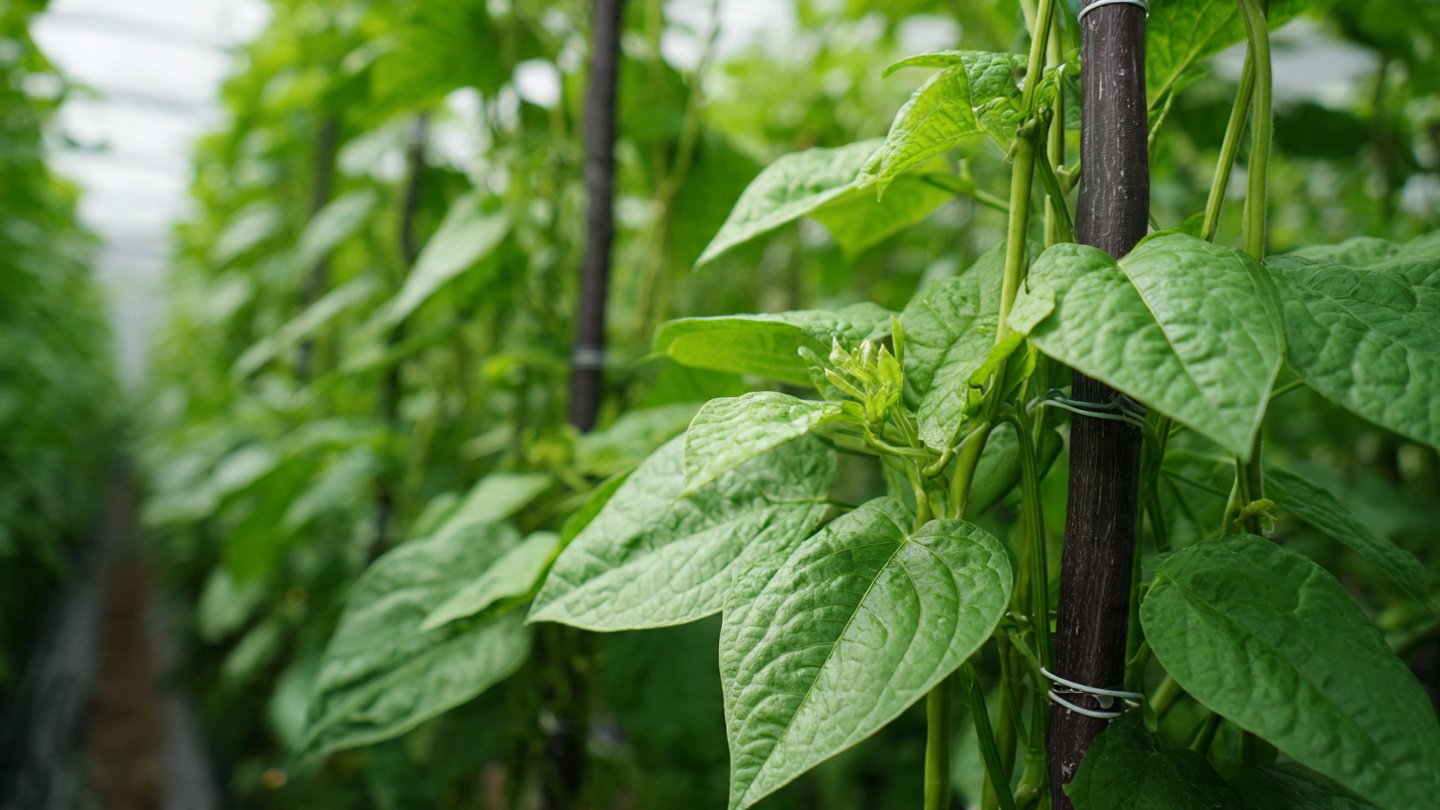
Growing cowpeas (Vigna unguiculata), also known as black-eyed peas, is a rewarding endeavor for both home gardeners and agricultural producers. This leguminous plant is valued for its nutritious seeds and foliage, which serve as both food and fodder. However, like many climbing or vining plants, cowpeas benefit greatly from vertical growing supports that help maximize space, reduce disease, and improve air circulation. This article explores in detail how to build and use a vertical growing support tailored for cowpea plants, promoting healthier crops and higher yields.
Understanding the Benefits of Vertical Growing Support for Cowpeas
Cowpeas naturally grow as climbing vines or bushes with sprawling tendencies. When supported vertically, these plants experience several benefits:
Latest Posts
- Easy Steps to Successfully Grow Bhindi in Grow Bags at Home
- Easy Steps to Grow a Healthy Guava Bonsai at Home for Beginners
- How to Successfully Grow and Cultivate White Strawberry Plants at Home for Delicious and Unique Fruits
- Ultimate Guide to Successfully Growing Weeping Fig Outdoors with Proven Techniques and Expert Tips
- How to Successfully Grow Flemish Beauty Pear Trees in Canada for Optimal Harvest
- Easy Hack to Grow Strawberries Year Round in Your Home Garden for Delicious Harvests
- Growing Flemish Beauty Pears in Canada A Complete Guide for Local Gardens
- The Ultimate Guide to Growing Hibiscus Plants Year Round for Vibrant Blooms and Healthy Foliage
- Easy Ways to Boost the Growth Rate of Your Indoor Peace Lily for Lush Green Foliage
- How to Successfully Grow Oak Leaf Lettuce in Your Home Garden for Fresh and Flavorful Salads
- Improved Air Circulation: Vertical supports provide better airflow around the plants, which helps reduce foliar diseases caused by fungal and bacterial pathogens.
- Ease of Harvesting: Upright plants are easier to inspect and harvest, reducing labor and crop damage.
- Space Efficiency: Vertical growing maximizes space, making it ideal for small gardens or intensive farming.
- Better Light Exposure: Plants receive uniform sunlight distribution, enhancing photosynthesis and growth.
- Reduced Pest Issues: Keeping plants off the ground can reduce contact with soil-borne pests like ants and beetles.
- Healthier Plants: The support helps prevent stem breakage and stress from sprawling, which ultimately leads to healthier growth and better yields.
Materials Needed to Build a Cowpea Vertical Growing Support
Building a sturdy and functional support structure doesn’t require expensive materials. Here are the common items you’ll need:
- Wooden Stakes or Bamboo Poles: At least 6 feet tall, to provide sufficient height for the vines to climb.
- Twine, Jute String, or Garden Wire: For tying the parts together and guiding the vines.
- Plywood or Wood for Base (Optional): To create a stable base if you’re building a freestanding structure.
- Hammer and Nails or Screws and Screwdriver: For assembling wooden parts.
- Measuring Tape: To ensure you cut materials to the right length.
- Scissors or Garden Shears: To trim twine and vine tips if needed.
Step-by-Step Guide to Building a Vertical Support for Cowpeas
1. Choose a Structure Type
There are several vertical support designs you can use for cowpeas:
- Trellis: A simple grid made from horizontal and vertical poles or wires.
- Teepee or Tripod: Three or more poles tied at the top to form a cone shape.
- A-Frame: A sturdy frame shaped like the letter ‘A.’
- Fence or Netting Mounted: Using existing fence lines or garden netting.
For this guide, we’ll focus on building a teepee tripod support, which is simple, sturdy, and space-efficient.
2. Gather and Prepare Your Materials
Select strong, straight poles or stakes approximately 6 to 7 feet long — long enough to allow good vertical growth. Bamboo works well because it is lightweight and strong. You’ll need three poles per plant or teepee.
3. Assemble the Teepee
- Take three poles.
- Place the bottoms of the poles evenly spaced on the ground, forming a triangle.
- Bring the tops of the three poles together.
- Tie the poles securely at the top with twine or garden wire to hold the shape.
Make sure the base of the poles is firmly pressed into the soil, about 6 to 12 inches deep, to keep the teepee stable.
4. Add Horizontal Supports (Optional)
For additional climbing surfaces, you can weave or tie horizontal twine or thin wire around the poles at intervals of about 12 inches from the ground to the top. This creates a network for the cowpea vines to grab onto easily.

How to Use the Vertical Growing Support for Cowpeas
1. Planting
Plant cowpeas near the base of your growing support. Ensure that plants are spaced about 12-18 inches apart. This spacing provides enough room for growth and airflow while supporting plant stability.
2. Training the Vines
Once the cowpea plants start growing, gently guide the young vines toward the vertical support. Use soft twine or garden clips to loosely tie the vines to the poles if necessary. The cowpea tendrils will typically cling and twine themselves around the support.
3. Regular Maintenance
- Prune Excess Growth: Remove any dead or damaged leaves and stems to improve airflow.
- Check Ties: Adjust twine or clips as the plants grow to prevent damage or constriction.
- Watering: Water at the base and avoid wetting foliage to prevent diseases.
- Fertilize and Mulch: Use organic fertilizers and mulching to retain moisture and suppress weeds.
4. Pest and Disease Management
- Inspect plants regularly for aphids, caterpillars, and other pests.
- Use natural remedies like neem oil, insecticidal soap, or companion planting to deter pests.
- Remove infected plant parts promptly.

Tips for Maximizing Crop Health and Yield
- Soil Preparation: Cowpeas prefer well-drained, sandy loam soils with a pH of 5.8 to 6.5. Enrich soil with organic compost before planting.
- Crop Rotation: Rotate cowpeas with other crops to reduce soil-borne diseases and maintain soil fertility.
- Harvest Timing: Pick pods when they are young and tender for maximum flavor and nutrition.
- Multiple Supports in One Area: If growing several plants, arrange multiple teepees spaced adequately, or build a trellis system to accommodate all vines efficiently.
Advantages of Vertical Growing Support Over Ground Sprawling
Traditional ground-sprawling cowpea plants can suffer from several issues:
- Soil Moisture Retention: Leaves and pods resting on moist soil are prone to rot.
- Reduced Airflow: Dense foliage on the ground can create humid microclimates favorable to fungal diseases.
- Pest Problems: Ground-dwelling pests have easy access to pods and leaves.
- Weed Competition: Sprawling vines tend to smother nearby crops and make weeding difficult.

Vertical supports help mitigate these challenges by promoting healthier, cleaner plants and easier management.
Environmental and Economic Benefits
Using vertical growing supports is not just good for the plants but also benefits the environment and your bottom line:
- Reduced Land Use: Vertical gardening allows more plants per square foot, promoting sustainable land usage.
- Less Chemical Use: Improved airflow and lower pest incidence reduce the need for pesticides and fungicides.
- Higher Yields: Healthier plants produce more beans, increasing overall productivity.
Conclusion
Building and utilizing a vertical growing support for cowpea plants is a practical and effective way to enhance crop health and maximize yields. By elevating the plants, you ensure better air circulation, reduce disease pressure, simplify harvesting, and optimize garden space. With inexpensive and readily available materials, anyone can construct a sturdy growing support structure tailored to their garden needs. Combined with proper care and maintenance, vertical supports help gardeners and farmers achieve bountiful cowpea crops that contribute to nutrition and food security.
Give this method a try in your next cowpea planting season and experience the benefits of healthier, more productive plants!