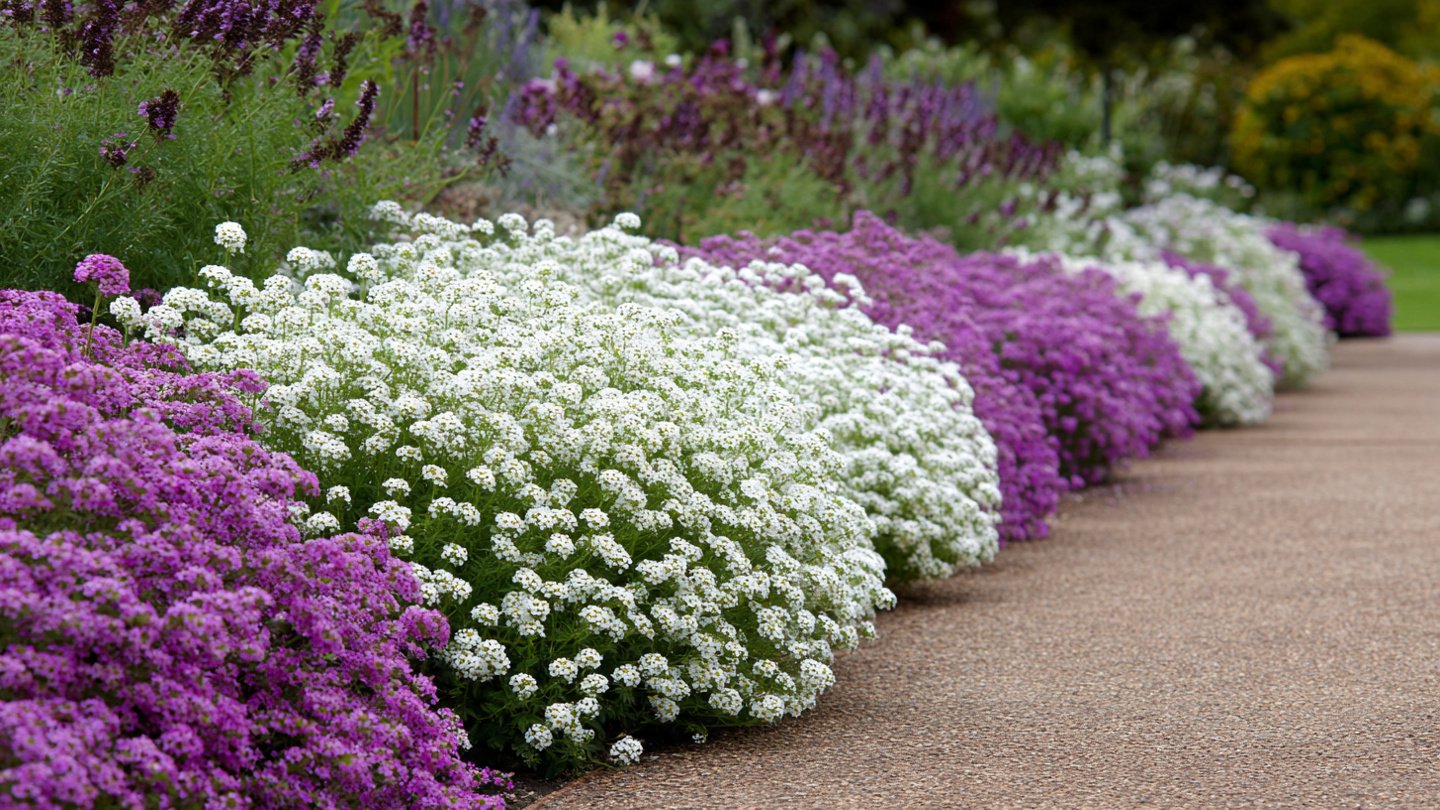
Creating a vibrant garden edge can dramatically enhance the overall appearance of your landscape. One of the best choices for border plants is alyssum, known for its delicate flowers, sweet fragrance, and low maintenance needs. This article will guide you through everything you need to know about growing alyssum border plants, ensuring that your garden boasts a beautiful, welcoming edge.
What is Alyssum?
Alyssum is a genus of flowering plants belonging to the mustard family, Brassicaceae. The most commonly grown species, Lobularia maritima, often referred to as sweet alyssum, is loved for its tiny, cluster-like flowers that come in various shades, including white, pink, lavender, and purple. This hardy annual or perennial (depending on your climate) thrives in many conditions, making it an excellent choice for garden borders.
Latest Posts
- Easy Steps to Successfully Grow Bhindi in Grow Bags at Home
- Easy Steps to Grow a Healthy Guava Bonsai at Home for Beginners
- How to Successfully Grow and Cultivate White Strawberry Plants at Home for Delicious and Unique Fruits
- Ultimate Guide to Successfully Growing Weeping Fig Outdoors with Proven Techniques and Expert Tips
- How to Successfully Grow Flemish Beauty Pear Trees in Canada for Optimal Harvest
- Easy Hack to Grow Strawberries Year Round in Your Home Garden for Delicious Harvests
- Growing Flemish Beauty Pears in Canada A Complete Guide for Local Gardens
- The Ultimate Guide to Growing Hibiscus Plants Year Round for Vibrant Blooms and Healthy Foliage
- Easy Ways to Boost the Growth Rate of Your Indoor Peace Lily for Lush Green Foliage
- How to Successfully Grow Oak Leaf Lettuce in Your Home Garden for Fresh and Flavorful Salads
Benefits of Growing Alyssum
Before diving into cultivation tips, it’s essential to understand why alyssum is a worthy addition to your garden.
-
Aesthetic Appeal: Alyssum’s delicate, cup-shaped flowers create a lush, vibrant edge that contrasts beautifully with foliage and other blooming plants.
-
Fragrance: The sweet scent of alyssum flowers attracts beneficial insects like pollinators, enhancing the biodiversity of your garden.
-
Ground Cover: Low-growing alyssum forms a dense mat, which can help suppress weeds and prevent soil erosion along pathways and garden beds.
-
Adaptability: Alyssum thrives in various soil types, from sandy to clay, and can tolerate a range of sunlight conditions, although it prefers full sun to partial shade.
-
Ease of Care: This hardy plant requires minimal maintenance, making it ideal for novice gardeners or those looking for hassle-free beauty.
Growing Alyssum Border Plants
Now that we understand the appeal of alyssum, let’s explore how to grow it successfully.
1. Choose the Right Variety
Alyssum comes in many different cultivars. Here are some popular options:
-
Sweet Alyssum (Lobularia maritima): The most common variety, available in white, pink, and purple.
-
Alyssum ‘Basket of Gold’ (Alyssum saxatile): A perennial type with golden-yellow flowers that provide a stunning contrast against green foliage.
-
Alyssum ‘Royal Carpet’: A low-growing variety that produces a carpet of vibrant purple flowers.
Choosing the right variety depends on your aesthetic goals, regional climate, and the specific conditions of your garden.
2. Planning and Design
Before planting alyssum, consider the following design elements:
-
Location: Determine where you would like to grow your alyssum border plants. North-facing sites offer more shade, while south-facing sites receive plenty of sunlight.
-
Companion Plants: Plan alongside other flowering and foliage plants that complement alyssum. Plants with varied heights and colors can help create a layered look.
-
Space Requirements: Alyssum generally requires about 6 to 12 inches between plants. Be sure to space them accordingly, considering the potential growth of surrounding plants.
3. Soil Preparation
Alyssum is not particularly fussy about soil, but preparing an optimal environment will encourage healthy growth:
-
Drainage: Ensure your soil has good drainage, as alyssum does not thrive in waterlogged conditions. If your soil is heavy clay, consider amending it with compost or sand for better texture.
-
pH Levels: Alyssum prefers mildly acidic to neutral soil (pH 6.0-7.0). Test your soil and amend accordingly if necessary.
-
Fertilization: While alyssum can grow in nutrient-poor soil, adding a balanced fertilizer in spring can enhance blooming and overall vigor.

4. Planting Alyssum
When you’re ready to plant your alyssum border, follow these steps:
-
Timing: The best time to plant alyssum is in spring after the last frost. In warmer climates, fall planting can work too.
-
Method: You can grow alyssum from seeds or transplants. If you’re using seeds, scatter them directly in the prepared soil and lightly cover them. If you’re using transplants, dig holes that are slightly larger than the root ball, space them appropriately, and fill with soil.
-
Watering: Water thoroughly after planting but avoid soaking the soil. Regular watering is crucial until the plants establish, after which they will tolerate some drought.
5. Maintenance
Once planted, alyssum requires minimal maintenance:

-
Watering: Establish a routine for watering, especially during dry spells. Alyssum will thrive with consistent moisture but can endure brief periods of drought.
-
Pruning: To promote bushier growth and more blooms, pinch back the delicate ends of the stems. This will also extend the blooming period.
-
Deadheading: Regularly remove spent flowers to encourage more blooms. This practice keeps your plants looking tidy and vibrant.
-
Pests and Diseases: Alyssum is relatively pest-resistant. However, watch for aphids or whiteflies, particularly in hot, humid weather. If you spot these pests, consider using organic insecticidal soap or neem oil.
6. Seasonal Care
-
Spring: At the beginning of the growing season, clear away any debris from winter, apply fresh mulch, and fertilize your plants.
-
Summer: Monitor watering closely, especially during dry spells. Deadhead spent flowers for continuous blooms.
-
Autumn: In colder climates, you can treat alyssum as an annual. In milder regions, cut back the plants after blooming to encourage new growth in spring.
-
Winter: If you live in an area where alyssum is perennial, mulching can help protect the roots from harsh winter conditions.
Propagating Alyssum
If you want to expand your alyssum border plants or share them with friends, propagation is easy.
-
Seeds: Collect seeds from spent flowers after they dry out. Store the seeds in a cool, dark place until you’re ready to plant them.
-
Divisions: For perennial varieties, you can divide established plants in early spring. Carefully dig up a clump and separate it into smaller sections, ensuring each has roots.
Conclusion
Growing alyssum border plants is a rewarding way to enhance the beauty of your garden. With their stunning flowers, pleasant fragrance, and low maintenance needs, alyssum offers a combination of aesthetic appeal and practicality. By following the outlined tips on selection, planting, and care, you can enjoy a vibrant, colorful border that attracts pollinators and delights the senses. Whether your garden is expansive or a small urban patch, alyssum can brighten any space and make your garden edge truly pop.
Happy gardening!