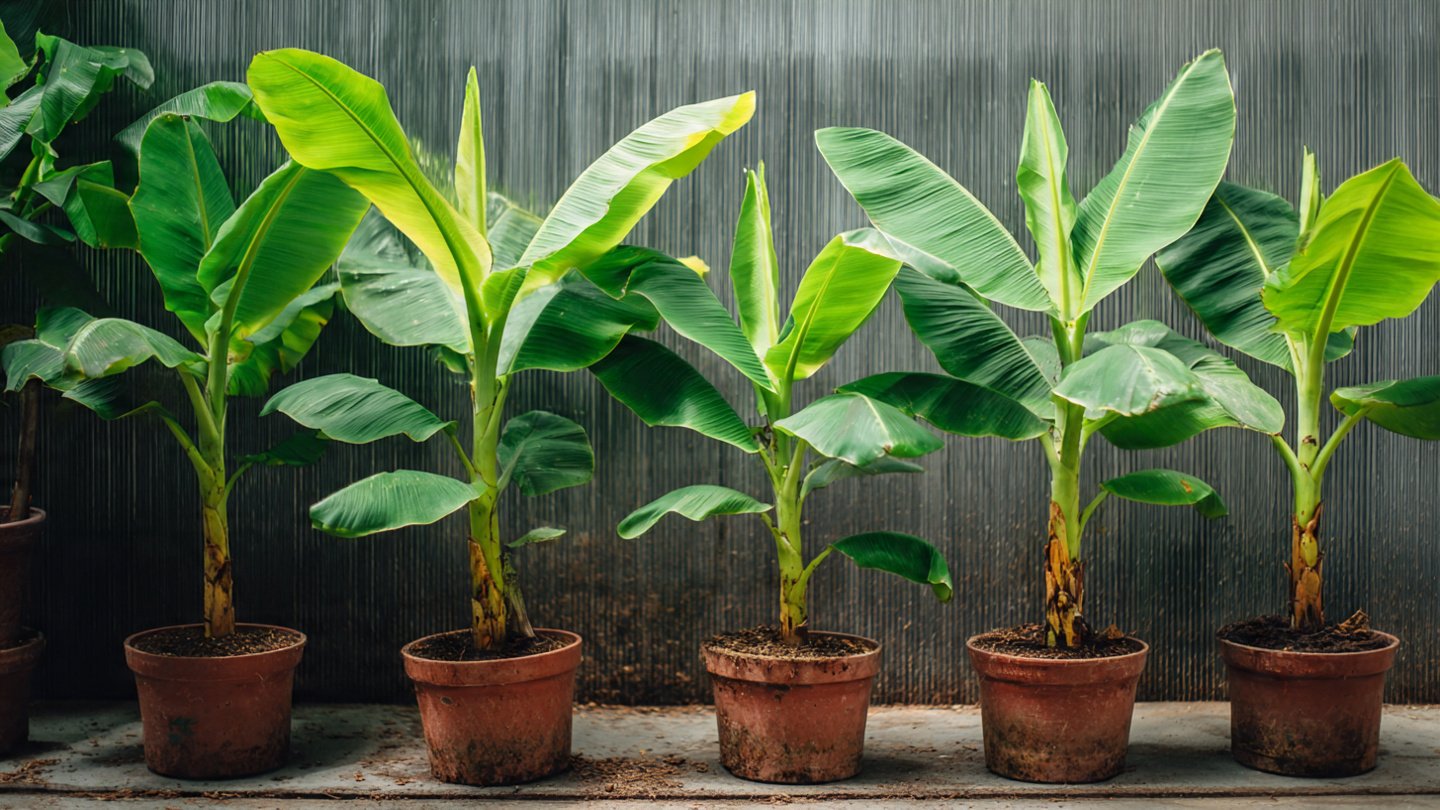
Bananas are one of the most beloved fruits worldwide, not just for their sweetness and versatility, but also for the ease with which they can be propagated. If you’re looking to expand your garden or cultivate bananas for personal consumption, learning how to propagate banana suckers effectively is essential. This guide will provide you with a comprehensive overview of the process, tips for successful propagation, and care for your newly propagated plants.
Understanding Banana Suckers
Before diving into the propagation process, it’s essential to understand what banana suckers are. Suckers are the shoots that emerge from a banana plant’s underground corm (the thickened part of the stem). They are the plant’s natural way of reproducing and can be classified into several types:
Latest Posts
- Easy Steps to Successfully Grow Bhindi in Grow Bags at Home
- Easy Steps to Grow a Healthy Guava Bonsai at Home for Beginners
- How to Successfully Grow and Cultivate White Strawberry Plants at Home for Delicious and Unique Fruits
- Ultimate Guide to Successfully Growing Weeping Fig Outdoors with Proven Techniques and Expert Tips
- How to Successfully Grow Flemish Beauty Pear Trees in Canada for Optimal Harvest
- Easy Hack to Grow Strawberries Year Round in Your Home Garden for Delicious Harvests
- Growing Flemish Beauty Pears in Canada A Complete Guide for Local Gardens
- The Ultimate Guide to Growing Hibiscus Plants Year Round for Vibrant Blooms and Healthy Foliage
- Easy Ways to Boost the Growth Rate of Your Indoor Peace Lily for Lush Green Foliage
- How to Successfully Grow Oak Leaf Lettuce in Your Home Garden for Fresh and Flavorful Salads
- Water Suckers: These are long, weak shoots that grow rapidly but may not produce fruit.
- Sword Suckers: These are shorter, thicker, and more robust, making them ideal candidates for propagation.
- Mother Plant Suckers: These emerge directly from the base of the mother plant and are typically the strongest.
For successful propagation, focus on sword suckers, as they provide the best chance for strong, fruit-bearing plants.
The Ideal Time for Propagation
The best time to propagate banana suckers is during the growing season, typically in spring and early summer. During this time, the plants are actively growing, which encourages quicker root development. If you’re located in a tropical or subtropical area, propagation can occur year-round but following seasonal cycles can still yield better results.
Tools and Materials Needed
Before starting the propagation process, gather the following materials:
- Sharp Gardening Knife or Machete: For cutting suckers from the parent plant.
- Pruning Shears: For tidying up and reducing stress on the plant.
- Digging Tools: Such as a spade and shovel, to remove suckers.
- Potting Soil: A well-draining medium for planting.
- Fertilizer: A balanced fertilizer to promote healthy growth.
- Water: For keeping the soil moist.
Step-by-Step Guide to Propagating Banana Suckers
Step 1: Choosing the Right Sucker
Inspect the banana plants in your garden or yard. Look for healthy sword suckers that are at least 3 feet tall and have a well-defined root system. Ensure that the sucker you choose is free from disease, pests, and any physical damage.
Step 2: Cutting the Sucker

Once you’ve identified a suitable sucker, use your sharp knife or machete to cut below the soil line. Aim for about 6–12 inches of the root attached to the sucker. This will ensure that the sucker has enough nutrients to survive and grow after being separated from the mother plant.
Step 3: Preparing the Sucker for Transplanting
After cutting the sucker, gently remove it from the soil. Shake off any excess soil, and inspect the roots. Trim any damaged or excessively long roots with pruning shears. Aim to keep the root system healthy and compact for better adaptability.
Step 4: Preparing the New Planting Site or Containers
If you’re planting directly in the ground, prepare a location that receives full sunlight and has well-draining soil. You can also use pots for easier management. In either case, mix in some organic matter or compost to enrich the soil. Creating a mound or raised bed can also improve drainage.
Step 5: Planting the Sucker
Dig a hole approximately twice as wide and deep as the root ball of the sucker. Place the sucker in the hole, ensuring that the soil line is even with that of the surrounding soil. Backfill the hole with soil and gently pack it down to eliminate air pockets. If using pots, ensure they are large enough to accommodate the roots and allow for growth.
Step 6: Watering
After planting, water the sucker thoroughly to help settle the soil around the roots. Keep the soil consistently moist (but not waterlogged) for the first few weeks. This will help the sucker establish itself and encourage new root growth.
Step 7: Fertilizing

Feed the newly planted sucker with a balanced fertilizer a few weeks after planting. A slow-release fertilizer is optimal, as it will provide a steady nutrient supply without overwhelming the young plant. Follow the instructions on the product to avoid over-fertilization, which can lead to root burn.
Care Tips for Thriving Banana Plants
Once the suckers are established, ongoing care is crucial to ensure they thrive. Here are some tips to maintain healthy banana plants:
1. Watering Regimen
Bananas thrive in consistently moist conditions. Water the plants deeply at least once a week, increasing frequency during hotter months. Ensure that the soil drains well to prevent root rot.
2. Mulching
Applying a layer of organic mulch around the base of the plant can help retain soil moisture, suppress weeds, and add nutrients as it breaks down. Use materials like straw, wood chips, or grass clippings.
3. Pest and Disease Management
Regularly inspect your banana plants for signs of pests (like aphids or spider mites) and diseases (such as Panama disease). Implement appropriate management strategies, including natural pesticides, to minimize harm.
4. Pruning

Remove any dead or unhealthy leaves to encourage better air circulation and plant health. This can also reduce the risk of disease. Pruning helps direct the plant’s energy toward producing fruit.
5. Supporting Plants
As banana plants grow, they may require support, particularly when they start producing fruit. Use stakes to help stabilize the plants and prevent them from toppling over, especially in windy conditions.
6. Harvesting
Bananas typically take about 9–12 months to mature after flowering. Once the fruit turns a light yellow and begins to swell, it’s time to harvest. Cut the entire bunch from the plant, as this encourages the sucker to put its energy into growing.
Troubleshooting Common Issues
1. Slow Growth
If your banana suckers are growing slowly, check the following:
- Soil Quality: Ensure you’re using well-draining, nutrient-rich soil.
- Watering: Ensure your plants receive adequate moisture but aren’t waterlogged.
- Light Conditions: Banana plants need full sunlight for optimal growth.
2. Yellowing Leaves
Yellowing leaves can indicate overwatering, nutrient deficiencies, or pest infestations. Make sure your watering habits are consistent and consider performing a soil test to identify deficiencies.
3. Pests and Diseases
Regular monitoring is key. Use neem oil or insecticidal soap for pest control, and ensure proper spacing to avoid disease spread. If you see any signs of disease, isolate affected plants immediately to prevent spreading.
Conclusion
Propagating banana suckers can be a rewarding endeavor, yielding sweet fruits for you and your family. By following the steps outlined in this guide and paying close attention to the needs of your plants, you can cultivate thriving banana plants in your backyard or garden. With patience and care, you’ll enjoy the fruits of your labor for years to come. Happy gardening!