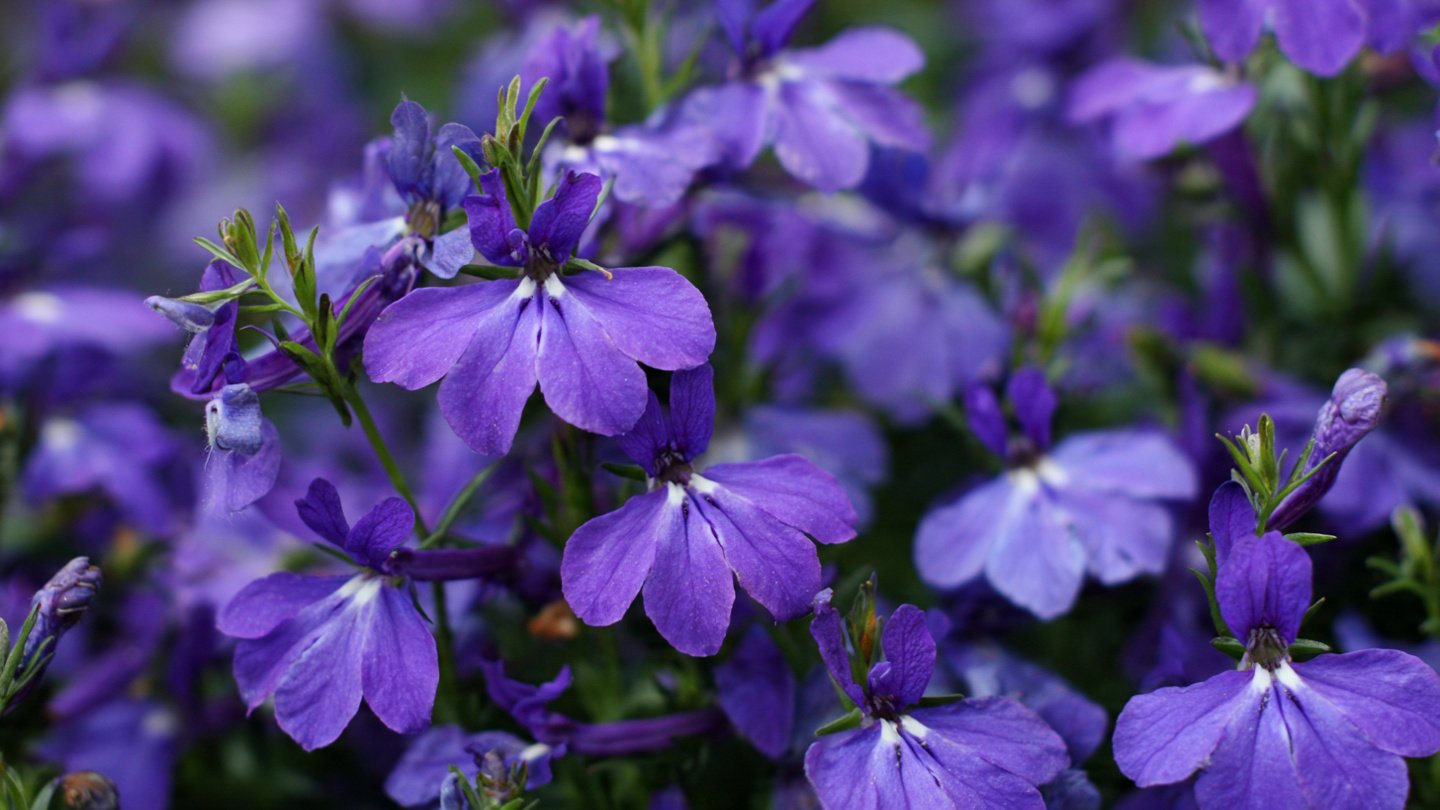
Lobelia is a flowering plant known for its stunning visual appeal and versatility in garden displays. The compact variety of lobelia, in particular, is highly coveted for its dense growth habit, vibrant colors, and ability to flourish in various garden settings. Whether you’re a seasoned gardener or just starting, cultivating lobelia can be an easy and rewarding experience. In this article, we’ll explore the best practices for growing the compact variety of lobelia, ensuring your garden displays are vibrant and thriving.
Understanding Lobelia
Types of Lobelia
Latest Posts
- Easy Steps to Successfully Grow Bhindi in Grow Bags at Home
- Easy Steps to Grow a Healthy Guava Bonsai at Home for Beginners
- How to Successfully Grow and Cultivate White Strawberry Plants at Home for Delicious and Unique Fruits
- Ultimate Guide to Successfully Growing Weeping Fig Outdoors with Proven Techniques and Expert Tips
- How to Successfully Grow Flemish Beauty Pear Trees in Canada for Optimal Harvest
- Easy Hack to Grow Strawberries Year Round in Your Home Garden for Delicious Harvests
- Growing Flemish Beauty Pears in Canada A Complete Guide for Local Gardens
- The Ultimate Guide to Growing Hibiscus Plants Year Round for Vibrant Blooms and Healthy Foliage
- Easy Ways to Boost the Growth Rate of Your Indoor Peace Lily for Lush Green Foliage
- How to Successfully Grow Oak Leaf Lettuce in Your Home Garden for Fresh and Flavorful Salads
Lobelia comprises over 400 species, with the compact varieties (Lobelia erinus) being particularly popular in gardens. These varieties are characterized by their trailing habit, making them an ideal choice for hanging baskets, window boxes, or ground cover. Their small, bright blue, purple, or white flowers bloom abundantly, creating a striking visual effect.
Benefits of Growing Compact Lobelia
- Colorful Displays: The rich hues of lobelia flowers add a splash of color to any garden, making them perfect for enhancing beauty.
- Attracts Pollinators: Lobelia attracts beneficial insects like bees and butterflies, contributing to pollination and a thriving ecosystem.
- Versatility: Compact lobelia can thrive in containers, hanging baskets, or directly in garden beds, allowing for creative planting options.
- Disease Resistance: This variety is generally resilient to pests and diseases, making it easier to care for.
Preparing to Grow Lobelia
Choosing the Right Location
To achieve the best results, it’s crucial to select the right location for your lobelia plants. Here are some tips:
- Sunlight: Lobelia thrives in partial sun to full shade. Ensure your plants receive at least 4 to 6 hours of sunlight daily.
- Wind Protection: If you’re planting in exposed areas, consider providing some windbreaks, as lobelia can be delicate.
- Soil Type: Well-draining soil is essential. Lobelia prefers light, loamy soil rich in organic matter.
Soil Preparation
Before planting, prepare the soil adequately. Here’s how to do it:
- Test the Soil: Check the pH and nutrient levels. Lobelia prefers slightly acidic to neutral pH (6.0 to 7.0).
- Amend the Soil: Incorporate compost or well-rotted manure to enrich the soil with organic matter. This will improve drainage and fertility.
- Tilling: Loosen the soil to a depth of about 12 inches to promote healthy root development.
Planting Lobelia
Seed or Seedling?
You can grow lobelia from seeds or seedlings. Here’s a comparison to help you decide:
- Seeds: Starting from seeds can be more economical but requires patience, as germination takes time.
- Seedlings: Purchasing young plants from a nursery can yield quicker results if you’re eager for blooms.
Planting Seeds
If you choose to grow from seeds, here’s a step-by-step guide:
- Sow Indoors: Start seeds indoors 10-12 weeks before the last frost. Use seed trays filled with a seed-starting mix.
- Light Requirement: Lobelia seeds require light for germination. Sprinkle them on the surface of the moistened soil without covering them.
- Temperature: Maintain a temperature of around 65-70°F (18-21°C) for optimal germination.
- Watering: Mist the soil gently to keep it consistently moist, but avoid waterlogging.
Transplanting Seedlings
When seedlings have developed 2-3 sets of leaves and the risk of frost has passed, it’s time to transplant them outdoors. Follow these steps:
- Hardening Off: Gradually acclimate seedlings to outdoor conditions over a week by placing them outside for increasing durations.
- Spacing: Space plants about 6-12 inches apart, depending on their expected growth, to ensure good air circulation.
- Planting: Dig a hole slightly larger than the root ball, place the seedling in, and backfill with soil. Water thoroughly.
Caring for Lobelia
Once your lobelia is planted, proper care is essential for thriving growth and vibrant blooms.
Watering
- Consistency is Key: Keep the soil evenly moist, especially during dry spells. However, avoid waterlogging, which can lead to root rot.
- Frequency: Water deeply once a week. More frequent watering may be necessary in hot weather or when grown in containers.
Fertilizing
- Balanced Fertilizer: Use a balanced, slow-release fertilizer (e.g., 10-10-10) at planting time. This provides essential nutrients for healthy growth.
- Mid-Season Boost: Consider applying a diluted liquid fertilizer every 4-6 weeks during the growing season to promote lush foliage and flowering.
Pruning and Deadheading
- Regular Maintenance: To encourage bushier growth, pinch back the tips of the plants when they’re about 6-8 inches tall.
- Deadheading: Remove spent flowers promptly to promote continuous blooming and prevent the plant from becoming leggy.
Common Problems and Solutions
While lobelia is generally disease-resistant, problems can arise. Here are some potential issues and solutions:
Pests
- Aphids: These small insects can threaten young plants. Spray a diluted soap solution or neem oil to eliminate them.
- Slugs and Snails: Check for these pests, especially in damp conditions. Use traps or organic methods to manage their population.
Diseases
- Root Rot: Ensure proper drainage to prevent this issue. If plants are affected, remove and dispose of infected specimens.
- Powdery Mildew: Improve air circulation and ensure proper spacing. This disease can be managed with fungicidal sprays if it appears.
Propagation
Lobelia can be easily propagated, allowing you to expand your garden displays without additional costs. Here’s how:
Division
- Spring Division: In early spring, divide mature plants by carefully separating the root ball into smaller sections. Replant them in suitable locations.
Cuttings
- Stem Cuttings: Take 4-6 inch cuttings from healthy plants, remove the lower leaves, and place them in a potting mix until they root.
Creative Uses in the Garden
Lobelia’s versatility allows for a variety of planting designs. Consider these ideas:
- Hanging Baskets: The trailing habit of lobelia makes it perfect for cascading displays in hanging baskets.
- Border Edging: Use compact lobelia to create colorful borders around pathways or flower beds.
- Container Compositions: Combine lobelia with contrasting plants in patio containers for a dynamic display.
Seasonal Considerations
Fall and Winter Care
- Protecting from Frost: If you live in colder climates, either bring containerized lobelia indoors or cover garden beds with mulch to protect them from frost.
- Annual vs. Perennial: Depending on your climate, lobelia can be grown as an annual or perennial. Check local growing conditions to make informed decisions.
Spring Renewal
- As spring arrives, clean up any debris, trim back any dead growth, and prepare for a new season of growth.
Conclusion
Growing the compact variety of lobelia can transform your garden into a vibrant, eye-catching space. With proper planning, care, and creativity, you can create stunning displays that will delight gardeners and visitors alike. From preparing the soil to dealing with pests and diseases, each step in the gardening process can be made easy and enjoyable. Start your lobelia journey today, and watch as your garden flourishes with the charming beauty of these remarkable plants!