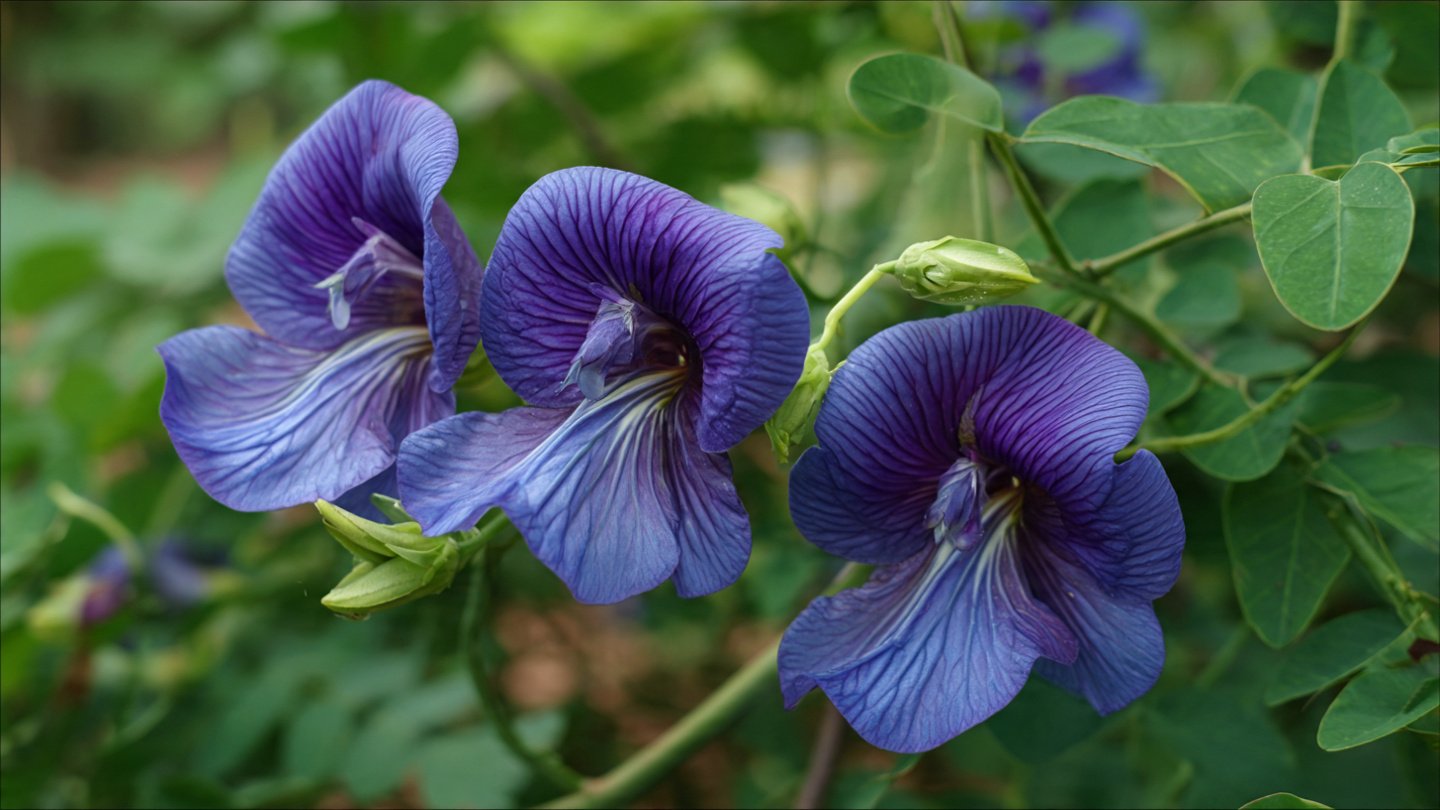
Butterfly Pea Vine (Clitoria ternatea) is a captivating climbing plant renowned for its vibrant blue flowers, which have made it a popular choice for gardens, trellises, and fences. Not only is this plant aesthetically pleasing, but it is also highly adaptable, easy to cultivate, and boasts various health benefits. If you’re looking for a low-maintenance plant that can provide stunning visuals and a unique addition to your garden, growing Butterfly Pea Vine outdoors can be an effortless endeavor. In this guide, we will explore the ideal growing conditions, planting techniques, maintenance tips, and benefits of Butterfly Pea Vine.
Understanding Butterfly Pea Vine
Before diving into the specifics of how to grow Butterfly Pea Vine outdoors, it’s crucial to understand what makes this plant so special. Native to tropical regions of Asia, this vine is especially prevalent in countries like Thailand and Malaysia. The flowers are not only a feast for the eyes but also edible, often used in teas, desserts, and as natural food coloring. The plant is also celebrated for its medicinal properties, including potential cognitive benefits and skin health improvements.
Latest Posts
- Easy Steps to Successfully Grow Bhindi in Grow Bags at Home
- Easy Steps to Grow a Healthy Guava Bonsai at Home for Beginners
- How to Successfully Grow and Cultivate White Strawberry Plants at Home for Delicious and Unique Fruits
- Ultimate Guide to Successfully Growing Weeping Fig Outdoors with Proven Techniques and Expert Tips
- How to Successfully Grow Flemish Beauty Pear Trees in Canada for Optimal Harvest
- Easy Hack to Grow Strawberries Year Round in Your Home Garden for Delicious Harvests
- Growing Flemish Beauty Pears in Canada A Complete Guide for Local Gardens
- The Ultimate Guide to Growing Hibiscus Plants Year Round for Vibrant Blooms and Healthy Foliage
- Easy Ways to Boost the Growth Rate of Your Indoor Peace Lily for Lush Green Foliage
- How to Successfully Grow Oak Leaf Lettuce in Your Home Garden for Fresh and Flavorful Salads
Characteristics of Butterfly Pea Vine
- Growth Habit: Climbing, fast-growing vine reaching heights of up to 10 feet.
- Leaves: Compound leaves with three leaflets, featuring a lush green color.
- Flowers: Spectacular blue, purple, or white blossoms shaped like butterflies.
- Fruit: Long, slender pods containing seeds.
Ideal Growing Conditions
The first step to successfully growing Butterfly Pea Vine is ensuring you provide it with the optimum conditions for growth.
1. Sunlight Requirements
Butterfly Pea Vine thrives in full sunlight but can tolerate partial shade. Ideally, this plant should receive at least 6 to 8 hours of direct sunlight daily. When the vine receives ample sunlight, it produces more blooms and grows vigorously.
2. Soil Type and Preparation
The ideal soil for Butterfly Pea Vine is well-draining loamy soil that retains some moisture. The pH should be slightly acidic to neutral (between 6.0 to 7.0).
Preparation Steps:
- Test the Soil: Use a soil test kit to determine pH and nutrient levels.
- Amend the Soil: If necessary, amend the soil with organic compost or aged manure to improve fertility and drainage.
3. Temperature and Humidity
Butterfly Pea Vine prefers warm temperatures, ideally between 65°F and 85°F (18°C to 29°C). It can tolerate slight fluctuations but is not frost-tolerant. For regions with cooler climates, consider starting seeds indoors and transplanting them outdoors after the last frost.
4. Watering Needs
While Butterfly Pea Vine is drought-tolerant once established, regular watering during the initial growth phase ensures better health and blooms. Aim to keep the soil consistently moist but not waterlogged.
Planting Butterfly Pea Vine
Now that you have the growing conditions figured out, it’s time to plant your Butterfly Pea Vine.
1. Seed Selection
You can purchase Butterfly Pea Vine seeds from garden centers or online retailers. Look for organic or non-GMO seeds for the best results.
2. Indoor or Direct Sowing
Indoor Sowing: If you live in a colder climate:
- Start seeds indoors 6 to 8 weeks before the last expected frost date.
- Plant seeds in biodegradable pots with seed-starting soil.
- Keep in a warm, sunny location and maintain consistent moisture.
Direct Sowing: For warmer climates:
- Sow seeds directly into the garden after the last frost date.
- Plant seeds 1 inch deep and 2 feet apart.
3. Providing Support
As a climbing vine, Butterfly Pea Vine benefits from some support to grow vertically. Install trellises, fences, or wire mesh near the planting area to give the vine a structure to climb.
Caring for Butterfly Pea Vine
Caring for your Butterfly Pea Vine is low effort yet rewarding. Here are some essential tips for proper maintenance.
1. Fertilization
While Butterfly Pea Vine is not particularly heavy-feeding, a balanced fertilizer can help promote vibrant blooms. Apply a slow-release fertilizer in early spring when new growth begins, following the manufacturer’s instructions for dosage.
2. Pruning
Pruning is essential to encourage bushier growth and ensure the vine remains manageable:
- Regularly remove any dead or yellowing leaves.
- Trim back the plant after the blooming season to maintain shape and promote healthier growth for the next cycle.
3. Pest and Disease Management
Fortunately, Butterfly Pea Vine is generally resistant to pests and diseases. However, keep an eye out for common pests such as aphids and snails.
Organic Pest Control Methods:
- Spray with a solution of water and mild soap to deter pests.
- Hand-pick any larger pests or use traps.
Harvesting and Culinary Uses
One of the unique features of Butterfly Pea Vine is its edible flowers. The blooms can be harvested throughout the growing season.
1. Harvesting Flowers
- Select flowers that are fully open for the best flavor.
- Use scissors or garden shears for a clean cut.
- Harvest in the early morning for optimal freshness.
2. Culinary Uses
Butterfly Pea flowers lend themselves to various culinary applications:
- Tea: Steep dried or fresh flowers in hot water for a vibrant blue tea. Add lemon or lime juice to turn it purple!
- Food Coloring: Use the flowers to color rice, desserts, or cocktails naturally.
- Salads and Garnishes: Fresh flowers can brighten up salads and dishes, adding both flavor and visual appeal.
Health Benefits
Alongside its ornamental attributes, Butterfly Pea Vine holds several health benefits due to the presence of antioxidants and other beneficial compounds.
1. Cognitive Benefits
Research suggests that compounds found in Butterfly Pea may boost brain function and memory. The presence of anthocyanins is linked to enhanced cognitive abilities.
2. Anti-Anxiety Properties
Butterfly Pea is often used in traditional medicine for its calming effects. Drinking Butterfly Pea tea may help alleviate stress and anxiety.
3. Skin Health
The extracts from Butterfly Pea Vine are also touted for their skin benefits, often used in beauty products for their anti-aging and healing properties.
Common Concerns and Troubleshooting
While Butterfly Pea Vine is relatively low-maintenance, you might encounter a few issues. Here’s how to tackle them:
1. Poor Flowering
If your vine is growing well but not producing flowers:
- Check for adequate sunlight.
- Ensure you’re not over-fertilizing, which can lead to excessive foliage at the expense of flowers.
2. Yellowing Leaves
Yellowing leaves can signify overwatering or poor drainage. Adjust your watering schedule and ensure the soil drains well.
3. Wilting
This can be a sign of underwatering or heat stress. Verify soil moisture and provide shade during extreme heat periods.
Conclusion
Growing Butterfly Pea Vine outdoors is not only a rewarding endeavor but also an opportunity to enhance the beauty of your garden and enjoy the multiple benefits this plant offers. With its vibrant flowers, ease of care, and culinary uses, Butterfly Pea Vine is a fantastic choice for both novice and experienced gardeners. Follow the above tips on sunlight, soil, watering, and maintenance, and watch your garden transform into a stunning floral display. Whether you’re sipping on a refreshing cup of Butterfly Pea tea or dressing a dish with its vivid blooms, this vine is sure to captivate you and your guests all season long.