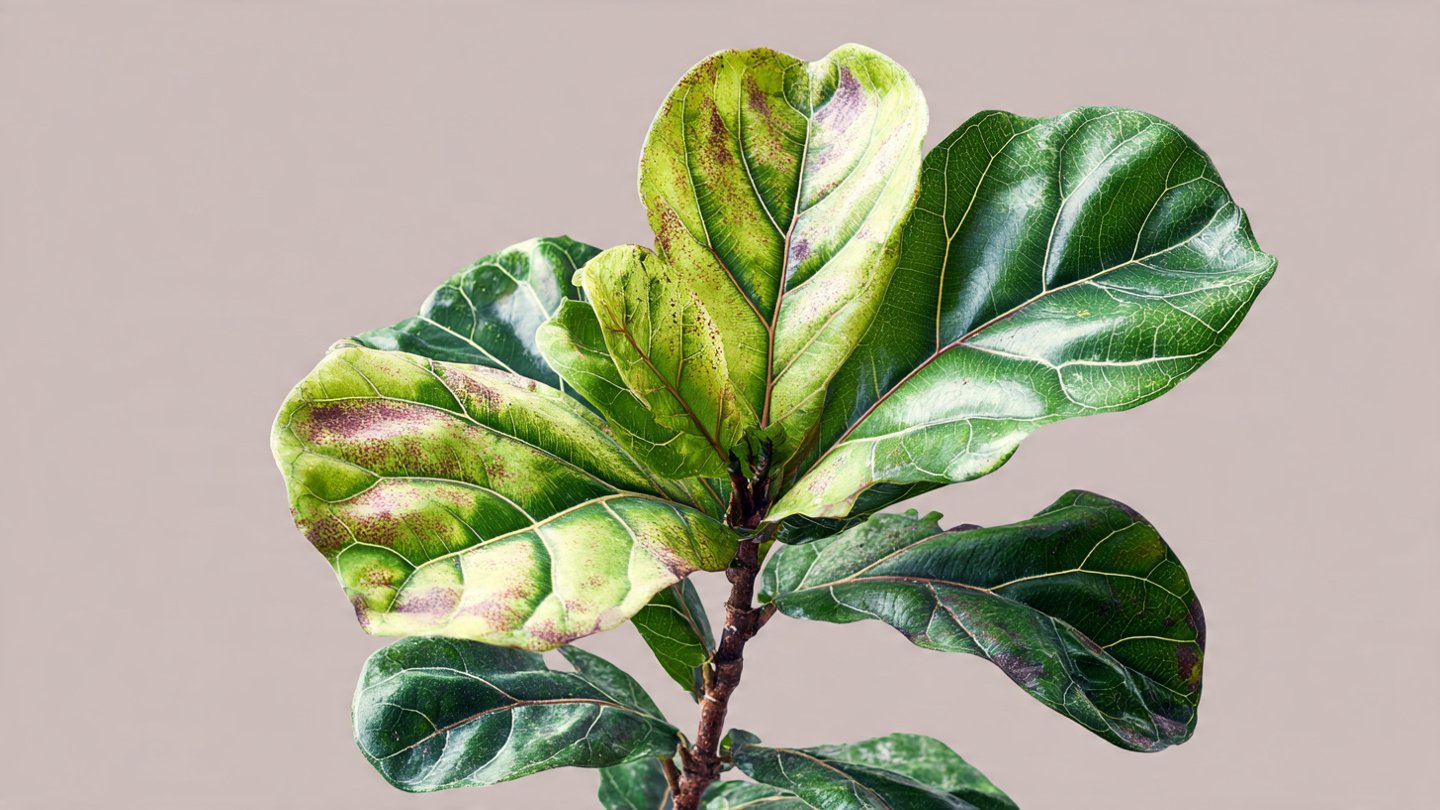
Fiddle Leaf Figs (Ficus lyrata) are beloved houseplants known for their large, glossy leaves and dramatic presence. However, many plant enthusiasts struggle with maintaining their health, particularly when it comes to managing brown spots on the leaves. This guide will provide detailed insights into how to care for your Fiddle Leaf Fig to prevent brown spots and ensure your plant remains lush and vibrant.
Understanding Fiddle Leaf Fig
Before diving into care tips, it’s essential to understand the basic needs of the Fiddle Leaf Fig. Native to the tropical rainforests of West Africa, these plants thrive in warm, moist environments. They require indirect light, not too much water, and specific humidity levels to grow optimally. Understanding these factors is crucial to ensure your plant is healthy and happy.
Latest Posts
- Easy Steps to Successfully Grow Bhindi in Grow Bags at Home
- Easy Steps to Grow a Healthy Guava Bonsai at Home for Beginners
- How to Successfully Grow and Cultivate White Strawberry Plants at Home for Delicious and Unique Fruits
- Ultimate Guide to Successfully Growing Weeping Fig Outdoors with Proven Techniques and Expert Tips
- How to Successfully Grow Flemish Beauty Pear Trees in Canada for Optimal Harvest
- Easy Hack to Grow Strawberries Year Round in Your Home Garden for Delicious Harvests
- Growing Flemish Beauty Pears in Canada A Complete Guide for Local Gardens
- The Ultimate Guide to Growing Hibiscus Plants Year Round for Vibrant Blooms and Healthy Foliage
- Easy Ways to Boost the Growth Rate of Your Indoor Peace Lily for Lush Green Foliage
- How to Successfully Grow Oak Leaf Lettuce in Your Home Garden for Fresh and Flavorful Salads
Causes of Brown Spots
Brown spots on Fiddle Leaf Figs can result from various factors. Identifying the underlying cause is the first step in preventing them. Here are some common reasons:
-
Watering Issues: Overwatering or underwatering can lead to root rot and dried leaves, respectively, causing brown spots.
-
Nutrient Deficiencies: A lack of essential nutrients, particularly Magnesium and Calcium, can manifest as brown spots.
-
Pest Infestation: Insects like spider mites, mealybugs, and scale can damage leaves, resulting in brown spots.
-
Improper Light Conditions: While Fiddle Leaf Figs prefer bright, indirect sunlight, too much direct sunlight can scorch the leaves, leading to brown patches.
-
Temperature Fluctuations: Cold drafts or sudden changes in temperature can stress the plant and lead to leaf issues.
-
Leaf Spot Diseases: Fungal or bacterial infections may also cause brown spots. These often appear with other signs of distress, such as wilted leaves.
Best Methods to Prevent Brown Spots
Now that we’ve explored the causes, let’s look at effective methods to ensure your Fiddle Leaf Fig thrives without brown spots.
1. Watering Wisely
To avoid brown spots, maintaining a proper watering routine is vital:
-
Check Soil Moisture: The top inch of the soil should be dry before watering again. You can use a moisture meter or simply stick your finger in the soil to gauge moisture levels.
-
Watering Technique: Water thoroughly until it drains out the bottom of the pot. Ensure the pot has drainage holes to prevent water accumulation.
-
Adjust Depending on Seasons: During the growing season (spring and summer), Fiddle Leaf Figs require more water than in the dormant months (fall and winter).
2. Provide the Right Nutrients
Fertilizing your Fiddle Leaf Fig appropriately will prevent nutrient deficiencies that cause brown spots:
-
Choose the Right Fertilizer: Use a balanced liquid fertilizer every four to six weeks during the growing season. Look for a fertilizer with micronutrients like Magnesium and Calcium.
-
Adjust for Pot Size: If your Fiddle Leaf Fig is in a larger pot, it may require more frequent fertilization to ensure it gets the necessary nutrients.
3. Monitor Light Conditions
Light plays an essential role in the overall health of your Fiddle Leaf Fig:
-
Indirect Light: Place your plant in an area where it receives bright, indirect sunlight. If you notice the leaves turning yellow or developing brown edges, it may be receiving too much light.
-
Rotate Regularly: Fiddle Leaf Figs tend to grow toward the light source. Rotate your plant periodically to ensure even exposure to light, encouraging balanced growth.
4. Control Humidity Levels
Fiddle Leaf Figs thrive in higher humidity, typically between 30-65%. Here’s how to maintain it:
-
Use a Humidifier: Ideal for creating a consistent humidity level in your home.
-
Misting: Occasionally mist the leaves, especially during dry winter months. However, avoid excess water on the leaves to prevent fungal issues.
-
Group Plants: Placing multiple plants together can create a microclimate with higher humidity levels.
5. Watch for Pests
Regularly inspect your Fiddle Leaf Fig for signs of pests:
-
Routine Checks: Examine the undersides of leaves and stem for small insects or webs indicating a spider mite infestation.
-
Natural Remedies: If pests are detected, treat infestations with insecticidal soap or neem oil to eliminate them.
-
Isolation: If a pest problem arises, isolate the affected plant to prevent the spread to other plants.
6. Maintain Stable Temperature
Fiddle Leaf Figs are sensitive to temperature fluctuations:
-
Ideal Temperature Range: Maintain indoor temperatures between 60°F to 75°F (15°C to 24°C).
-
Avoid Cold Drafts: Keep your plant away from doors, windows, and heating vents that can create sudden temperature changes.
7. Address Leaf Spot Diseases
If you notice any signs of leaf spot diseases:
-
Remove Affected Leaves: Trim away any leaves that show brown spots to prevent the disease from spreading.
-
Use Anti-fungal Spray: Consider using anti-fungal treatments to combat any underlying infections.
-
Clean the Leaves: Keep the leaves dust-free by gently wiping them with a damp cloth. This promotes better photosynthesis and helps prevent the buildup of infectious agents.
8. Repotting
Repotting your Fiddle Leaf Fig every couple of years prevents root bound conditions and allows for fresh nutrients in the soil:
-
Timing: Do this in the spring when the plant is actively growing. Select a pot that is just one size larger and ensure it has drainage holes.
-
Use Quality Soil: A well-draining potting mix that retains some moisture is ideal. Look for mixes specifically formulated for Fiddles or tropical plants.
Final Thoughts
Growing a Fiddle Leaf Fig without brown spots may seem challenging, but by understanding its specific needs and managing its environment, you can cultivate a thriving plant. With diligent care involving proper watering, nutrition, light, humidity, pest control, temperature regulation, and repotting, you can enjoy the beauty of this striking plant for years to come.
Additional Tips for Success
-
Create a Care Routine: Regularly check on your plant and tweak your care plan as needed based on its responses.
-
Stay Observant: Learning to understand the subtle changes in your plant can help catch and address problems early on.
-
Join a Community: Engage with fellow plant enthusiasts online or in person for shared experiences and advice.
With the right approach, you can overcome the common obstacles associated with growing Fiddle Leaf Figs and enjoy their stunning foliage without the worry of brown spots. Happy planting!