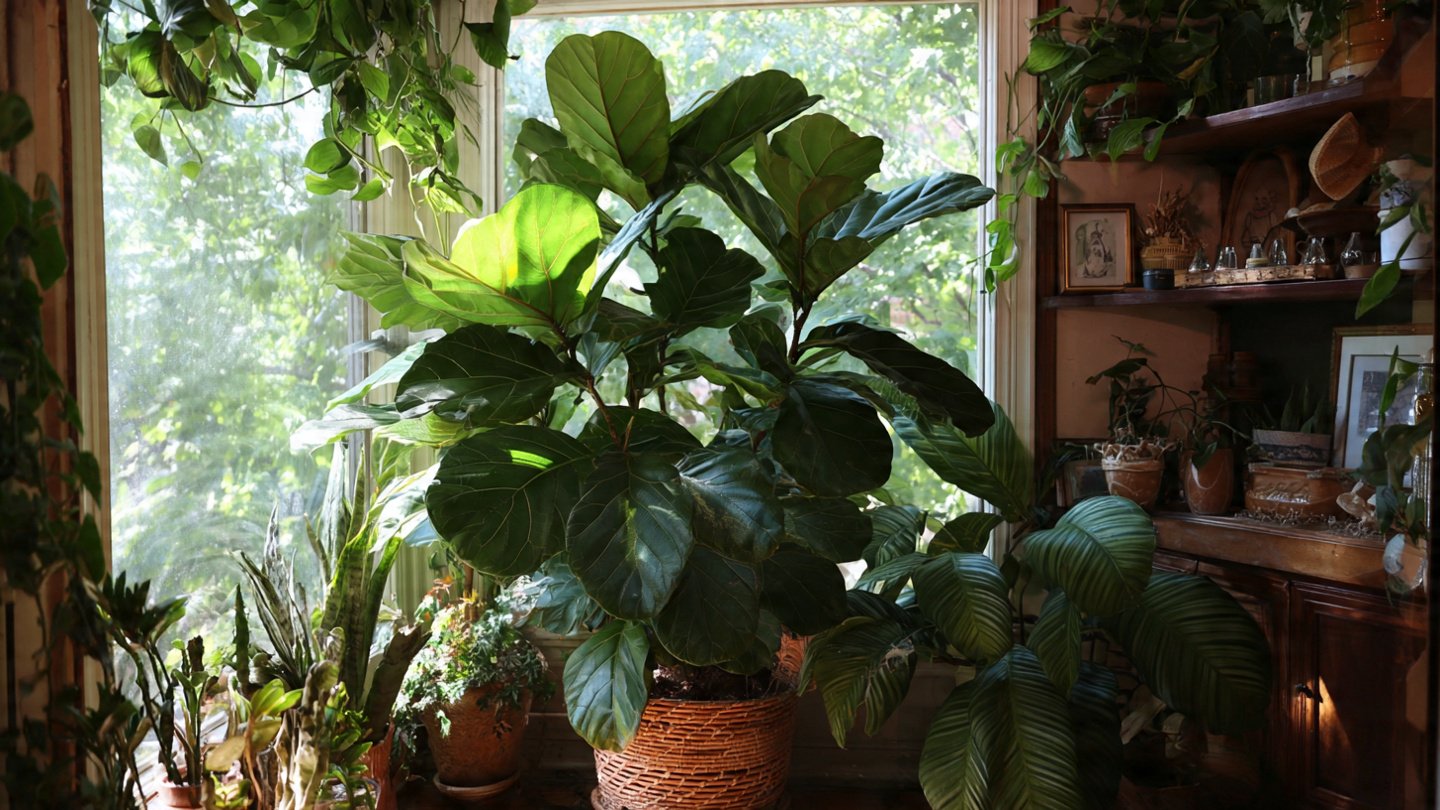
Creating a lush indoor jungle using large leaf houseplants is a delightful endeavor that not only enhances your living space but also contributes to better air quality and mental well-being. Large-leafed plants often bring a tropical vibe to your environment, making your home feel like a serene escape. For hobbyists and plant enthusiasts alike, understanding how to cultivate these plants effectively is key. This article explores the best strategies for growing large-leaf houseplants, focusing on plant selection, care, propagation, and maintenance.
Choosing the Right Large Leaf Houseplants
When planning your indoor jungle, select plants that thrive indoors and have large, striking leaves. Here’s a shortlist of ideal candidates:
Latest Posts
- Easy Steps to Successfully Grow Bhindi in Grow Bags at Home
- Easy Steps to Grow a Healthy Guava Bonsai at Home for Beginners
- How to Successfully Grow and Cultivate White Strawberry Plants at Home for Delicious and Unique Fruits
- Ultimate Guide to Successfully Growing Weeping Fig Outdoors with Proven Techniques and Expert Tips
- How to Successfully Grow Flemish Beauty Pear Trees in Canada for Optimal Harvest
- Easy Hack to Grow Strawberries Year Round in Your Home Garden for Delicious Harvests
- Growing Flemish Beauty Pears in Canada A Complete Guide for Local Gardens
- The Ultimate Guide to Growing Hibiscus Plants Year Round for Vibrant Blooms and Healthy Foliage
- Easy Ways to Boost the Growth Rate of Your Indoor Peace Lily for Lush Green Foliage
- How to Successfully Grow Oak Leaf Lettuce in Your Home Garden for Fresh and Flavorful Salads
-
Monstera Deliciosa: Known for its iconic split leaves, the Monstera is relatively easy to care for and can grow quite large with proper conditions.
-
Fiddle Leaf Fig (Ficus lyrata): With its large, glossy leaves, the fiddle leaf fig is a popular choice that can become a statement piece in any setting.
-
*Philodendron, especially the Philodendron bipinnatifidum (also known as the Tree Philodendron) and Philodendron selloum**: Both varieties boast large leaves and are forgiving in terms of care.
-
Rubber Plant (Ficus elastica): This plant has thick, dark green leaves and is known for its resilience.
-
ZZ Plant (Zamioculcas zamiifolia): A fantastic low-light option; its glossy leaves can grow quite large and are very forgiving if you forget a watering day.
-
Alocasia and Colocasia varieties: Known for their dramatic, large leaves, these plants require a bit more care but create a stunning jungle environment.
-
Bird of Paradise (Strelitzia reginae): With its stunning, banana-like leaves, it can grow tall and make an impactful statement.
Creating the Perfect Environment
1. Light Conditions
Most large-leaved plants prefer bright, indirect light. Too much direct sunlight can scorch their leaves, while too little light can inhibit growth. It’s essential to:
- Position plants near east or west-facing windows where they’ll receive filtered light.
- Use sheer curtains to diffuse direct sunlight if necessary.
- Consider grow lights if natural light is insufficient, particularly during winter months.
2. Temperature and Humidity
These plants often originate from tropical regions, making a warm and humid environment ideal for their growth.
- Maintain indoor temperatures between 65°F to 85°F (18°C to 29°C).
- Increase humidity by placing a humidifier nearby, grouping plants together, or misting them during dry seasons.
- Consider pebble trays filled with water beneath pots to enhance humidity as well.
3. Soil Selection
Choosing the right soil mix is essential for successful growth:
- Use a well-draining potting mix, ideally formulated for houseplants.
- Adding perlite or orchid bark can enhance drainage, essential for preventing root rot.
- A soil pH of around 6 to 7 is generally optimal for these plants.
4. Pots and Drainage
Proper drainage is crucial to prevent standing water, which leads to root rot:
- Use pots with drainage holes. Choose materials like terracotta, which are porous and helpful for moisture management.
- Consider pot size: larger pots accommodate bigger plants and allow for root expansion.
Watering Techniques
Understanding your plant’s watering needs is essential:
- Check the top inch of soil; if it’s dry, it’s time to water.
- Water thoroughly until it drains from the bottom, then empty the saucer to prevent waterlogging.
- Adjust your watering routine seasonally—plants typically require less water in fall and winter.
Nutritional Needs
Regular feeding can enhance growth:
- Use a balanced, water-soluble fertilizer during the growing season (spring and summer), about every 4-6 weeks.
- Consider organic options like worm castings or fish emulsion for a nutrient boost.
- Reduce fertilizing frequency in fall and winter when the plants are dormant.
Pruning and Maintenance
Keeping your large-leaf houseplants healthy involves regular care:
- Removing Dead Leaves: Trim off any yellow or brown leaves to encourage new growth and prevent disease.
- Cleaning Leaves: Dust can accumulate on large leaves. Wipe them down with a damp cloth to keep them clean, which allows for optimal photosynthesis.
- Re-potting: Every couple of years, or when you see roots coming out of drainage holes, it may be time to re-pot.
Pest Management
Indoor plants can be susceptible to pests like spider mites, aphids, and mealybugs. Here’s how to handle these nuisances:
- Regular Inspections: Examine leaves regularly to spot early signs of infestation.
- Natural Remedies: Use insecticidal soap or neem oil to control pests. These are less toxic and effective.
- Isolate: If you discover a pest problem, isolate the affected plant to prevent spreading.
Propagation Techniques
If you want to expand your indoor jungle or share with others, propagation is a viable option.
- Monstera: You can propagate through stem cuttings with nodes in water or soil.
- Philodendron: Similar to Monstera, cuttings can root easily in water or in a potting mix.
- Fiddle Leaf Fig: Can be propagated from stem cuttings but may take longer to root.
Creating a Cohesive Indoor Jungle Look
As you cultivate your indoor jungle, consider the aesthetics:
- Layering Heights: Use plants of varying heights to create a more dynamic space. Tall plants like Bird of Paradise can anchor a corner, while trailing varieties like Pothos can spill elegantly from shelves.
- Strategic Placement: Varying pot sizes and placements creates visual interest. Use plant stands or hangers to draw the eye up.
- Color Coordination: Consider the natural palette of plants; dark greens can be contrasted with lighter hues, making the space feel more cohesive.
Conclusion
Cultivating large leaf houseplants to create an indoor jungle is not just a hobby; it’s an enriching lifestyle choice. By understanding the specifics of light, humidity, watering, and nutrition, you can successfully foster a lush, vibrant atmosphere in your home. Each plant is a contribution to your environment, offering beauty and a sense of tranquility. So roll up your sleeves, gather your plants, and breathe new life into your living space while nurturing a thriving indoor oasis. Whether you’re a seasoned plant enthusiast or new to gardening, the journey of creating your personal jungle can be incredibly fulfilling. Happy planting!