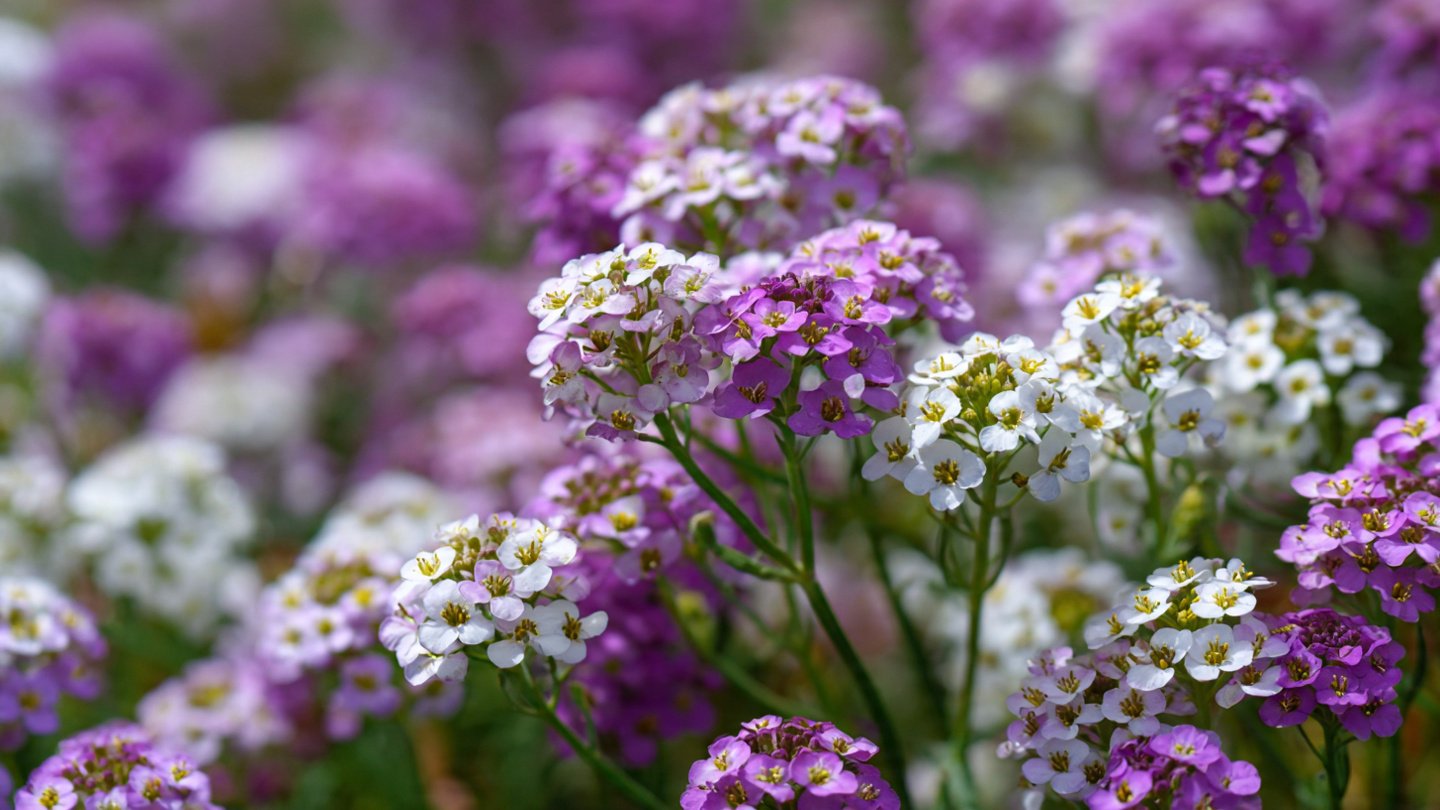
When designing an aromatic garden, the fragrant flowers of sweet alyssum (Lobularia maritima) should undoubtedly feature in your landscape plan. Known for their delightful scent and charmingly small blooms, alyssum can add not only beauty but also a touch of sweetness to any outdoor space. This article will delve into how to grow alyssum flowers successfully, ensuring a lush portrayal filled with fragrance and vibrancy.
Understanding Sweet Alyssum
Sweet alyssum is a member of the Brassicaceae family and is native to Europe, North Africa, and parts of Asia. Its tiny, cup-shaped flowers come in various colors, including white, lavender, yellow, and pink. The plant reaches about 6 to 12 inches in height and blooms profusely from spring to fall, making it an excellent option for adding color and fragrance to gardens, borders, containers, and hanging baskets.
Latest Posts
- Easy Steps to Successfully Grow Bhindi in Grow Bags at Home
- Easy Steps to Grow a Healthy Guava Bonsai at Home for Beginners
- How to Successfully Grow and Cultivate White Strawberry Plants at Home for Delicious and Unique Fruits
- Ultimate Guide to Successfully Growing Weeping Fig Outdoors with Proven Techniques and Expert Tips
- How to Successfully Grow Flemish Beauty Pear Trees in Canada for Optimal Harvest
- Easy Hack to Grow Strawberries Year Round in Your Home Garden for Delicious Harvests
- Growing Flemish Beauty Pears in Canada A Complete Guide for Local Gardens
- The Ultimate Guide to Growing Hibiscus Plants Year Round for Vibrant Blooms and Healthy Foliage
- Easy Ways to Boost the Growth Rate of Your Indoor Peace Lily for Lush Green Foliage
- How to Successfully Grow Oak Leaf Lettuce in Your Home Garden for Fresh and Flavorful Salads
Benefits of Growing Alyssum
- Fragrance: The primary allure of alyssum is its sweet, honey-like scent, which can enhance the aroma of your garden.
- Biodiversity: Alyssum attracts beneficial insects, such as bees and butterflies, enhancing the biodiversity of your garden.
- Low Maintenance: This hardy plant requires minimal care and maintenance, making it suitable for novice gardeners.
- Versatility: Alyssum grows well in various locations, including borders, rock gardens, containers, and pathways.
Choosing the Right Species
Although most commonly referred to as sweet alyssum, several varieties exist, each with unique attributes. The common types include:
- Lobularia maritima var. maritima: The most common variety, featuring white or light purple flowers.
- Lobularia maritima ‘Rosie’: Known for its soft pink flowers that give a pop of color in your garden.
- Lobularia maritima ‘Snow Princess’: This variety is particularly notable for its pure white blooms and robust growth.
Selecting the right species depends on your color preferences, garden theme, and local growing conditions.
Ideal Growing Conditions
Sunlight
Alyssum thrives in full sun, requiring at least 6 hours of sunlight daily. Selecting a location with ample sunlight will ensure the flowers bloom profusely and develop their signature fragrance.
Soil Requirements
Sweet alyssum grows best in well-drained, sandy loam soil. While these flowers can adapt to a variety of soil types, they prefer a neutral to slightly alkaline pH (around 6.0 to 7.5). Ensure the soil is not overly compacted, as good drainage is crucial to prevent root rot.
Watering Needs
Alyssum is moderately drought-resistant, but regular watering is essential, especially when establishing young plants. Water the plants consistently, allowing the top inch of soil to dry out between waterings. During hotter months, they may require more frequent watering.
Propagation Methods

Alyssum can be propagated through seeds, cuttings, or divisions:
1. Seed Propagation
Step-by-Step Procedure
- Timing: Start seeds indoors around 6 to 8 weeks before the last frost date or sow seeds directly outdoors after the frost has passed.
- Seed Preparation: Scatter the tiny seeds on the soil surface without covering them, as they need light to germinate. Lightly press them down to ensure good soil contact.
- Watering: Mist the soil gently to prevent displacing the seeds.
- Germination: Maintain a temperature of 65 to 70°F. Seeds should germinate within 7 to 14 days.
2. Cuttings
- Take softwood cuttings in early summer.
- Select a healthy stem with a few leaves and cut it just below a leaf node.
- Remove lower leaves to expose the stem, then dip the end in rooting hormone.
- Plant the cutting in a pot filled with well-draining soil and water it lightly.
- Cover with a plastic bag to maintain humidity until roots develop (typically takes 4 to 6 weeks).

3. Division
- Divide mature alyssum plants in early spring or fall when the plant is not actively blooming.
- Gently lift out the plant with a fork, separating it into smaller sections.
- Replant immediately in suitable locations, ensuring adequate spacing.
Planting Alyssum
Spacing
When planting alyssum, allow for adequate spacing to promote airflow and prevent diseases. Space your plants about 6 to 12 inches apart, depending on the variety and your garden design.
Planting Technique
- Preparing the Bed: Remove any weeds, rocks, or debris from the planting area and loosen the soil to improve drainage.
- Creating Holes: Dig holes deep enough to accommodate the root ball of each plant.
- Inserting Plants: Place the plants in their holes, filling in with soil around the root ball and ensuring the top of the root ball is even with the ground surface.
- Watering: Water the newly planted alyssum to help settle the soil around the roots.
Caring for Alyssum

Fertilization
While alyssum doesn’t demand heavy feeding, light fertilization can promote lush growth. Use a balanced, slow-release fertilizer once in the spring and again mid-summer. Be cautious not to over-fertilize, as this could lead to excessive foliage at the expense of blooms.
Pruning
Deadheading, or removing spent flowers, is essential for encouraging new blooms. Regularly pruning the plant can help maintain its shape and promote continuous flowering throughout the growing season.
Pest and Disease Management
Alyssum is generally pest-resistant; however, some issues may arise:
- Aphids: If aphids appear, you can wash them off with water or use insecticidal soap for control.
- Powdery Mildew: To combat this fungal disease, ensure adequate spacing for airflow, avoid overhead watering, and remove any affected leaves.
Designing an Aromatic Garden Display with Alyssum
Companion Planting
To create a biodiversity-rich aromatic garden, consider pairing alyssum with other fragrant flowers and plants:
- Lavender: Their complementary colors and scents easily harmonize in an aromatic garden.
- Rosemary: This herb not only adds flavor to your dishes but also a captivating aroma.
- Marigolds: The vibrant blooms attract pollinators and deter pests.
Layout Considerations
- Borders: Use alyssum as a compact border to edge garden beds or pathways.
- Containers: Mix alyssum with taller plants for a stunning display in pots or hanging baskets. Their trailing nature can create a lush look.
- Ground Cover: Plant alyssum in areas where you’d like to suppress weeds while providing a delightful scent.
Seasonal Considerations
- Winter Preparation: In cold climates, alyssum may not survive winter frost. In such cases, consider treating it as an annual or bringing potted plants indoors.
- Summer Care: Ensure consistent watering during hot summer months, especially if grown in containers.
Conclusion
Sweet alyssum is a fantastic addition to any aromatic garden, offering both visual charm and a delightful fragrance. By following the guidelines outlined in this article—from understanding its basic needs to planting and care—you will successfully cultivate healthy, fragrant alyssum flowers. Whether used as a border, in containers, or as part of an integrated plant display, sweet alyssum is sure to transform your garden into a sensory delight. Happy gardening!