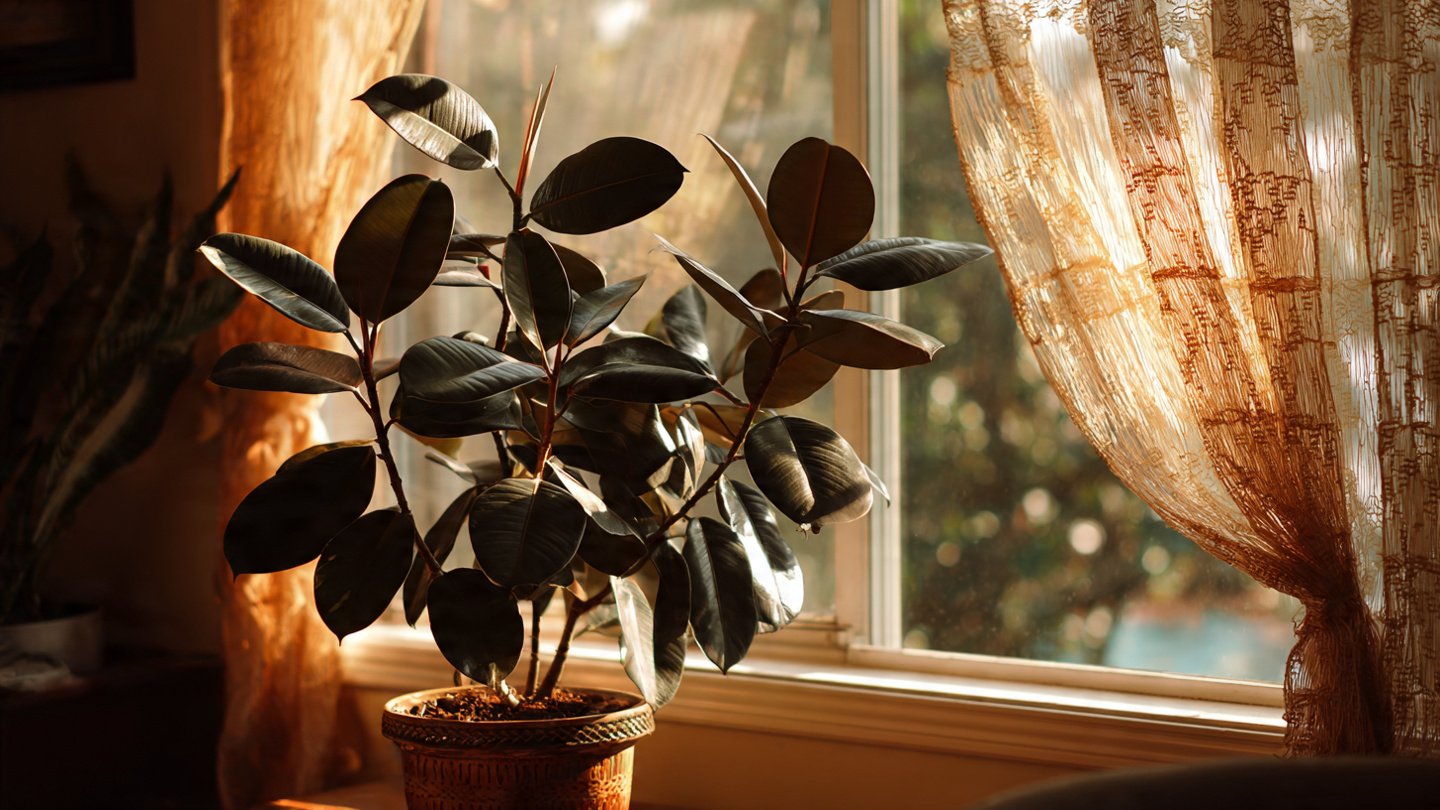
The rubber plant (Ficus elastica) is a popular houseplant known for its glossy, dark green leaves and upright growth. While it can be relatively low-maintenance, many plant owners face challenges, particularly with leaf drop, which can be disheartening. Understanding how to care for your rubber plant will help you flourish without the frustration of sudden leaf loss. This article will delve into effective strategies to ensure your rubber plant not only survives but thrives.
Understanding the Rubber Plant
Origin and Characteristics
Latest Posts
- Easy Steps to Successfully Grow Bhindi in Grow Bags at Home
- Easy Steps to Grow a Healthy Guava Bonsai at Home for Beginners
- How to Successfully Grow and Cultivate White Strawberry Plants at Home for Delicious and Unique Fruits
- Ultimate Guide to Successfully Growing Weeping Fig Outdoors with Proven Techniques and Expert Tips
- How to Successfully Grow Flemish Beauty Pear Trees in Canada for Optimal Harvest
- Easy Hack to Grow Strawberries Year Round in Your Home Garden for Delicious Harvests
- Growing Flemish Beauty Pears in Canada A Complete Guide for Local Gardens
- The Ultimate Guide to Growing Hibiscus Plants Year Round for Vibrant Blooms and Healthy Foliage
- Easy Ways to Boost the Growth Rate of Your Indoor Peace Lily for Lush Green Foliage
- How to Successfully Grow Oak Leaf Lettuce in Your Home Garden for Fresh and Flavorful Salads
The rubber plant is native to Southeast Asia, where it thrives in the humid and warm environment of tropical rainforests. Its leaves can vary in size and color, with some varieties exhibiting lighter green or even variegated patterns. Known for growing several feet tall, it can become an impressive focal point in any indoor setting.
Why Leaf Drop Occurs
Leaf drop is a common issue among rubber plants and can be attributed to several factors, such as:
- Environmental Changes: Sudden changes in temperature, light, or humidity.
- Watering Issues: Overwatering or underwatering can shock the plant.
- Nutrient Deficiency: Lack of essential nutrients can weaken the plant.
- Pest Infestation: Pests like spider mites or aphids can stress the plant.
- Root Bound Conditions: A lack of space for growth can hinder development.
Understanding these causes is crucial for prevention and maintenance.
Essential Care Tips
Let’s break down key care practices that will help your rubber plant thrive.
1. Light Requirements
Rubber plants prefer bright, indirect light but can also tolerate lower light conditions. However, insufficient light can lead to stretched stems and poor leaf health, while excessive direct sunlight can scorch the leaves.

Action Steps:
- Place your rubber plant near a window with filtered light.
- If natural light is limited, consider using a grow light for an additional boost.
- Rotate your plant every few weeks to ensure even growth.
2. Watering Practices
One of the most vital aspects of rubber plant care is understanding its watering needs. Overwatering is a leading cause of root rot, while underwatering can lead to leaf drop.
Action Steps:
- Water the plant when the top inch of soil feels dry.
- Ensure proper drainage by using pots that have drainage holes.
- Reduce watering in the winter months when growth slows down.
3. Humidity Levels
Rubber plants enjoy humidity but can adapt to average household conditions. If your environment is exceptionally dry, especially in winter, you may need to increase humidity.
Action Steps:
- Mist the leaves occasionally, especially during dry months.
- Use a humidity tray filled with water and pebbles below the pot.
- Consider using a humidifier if the air is consistently dry.

4. Optimal Soil Choice
A high-quality, well-draining potting mix is essential for a healthy rubber plant. A mix designed for houseplants or a combination of potting soil with perlite or orchid bark works well.
Action Steps:
- Repot every 1-2 years to refresh the soil and provide more room for growth.
- Ensure the mix is airy to prevent root rot.
5. Fertilization
While rubber plants are not heavy feeders, they benefit from occasional fertilization, particularly during the growing season.
Action Steps:
- Use a balanced, water-soluble fertilizer every 4-6 weeks during spring and summer.
- Skip fertilization in fall and winter when the plant enters dormancy.
- Dilute the fertilizer to half-strength to avoid nutrient burn.
6. Pest Management
A healthy rubber plant is less likely to succumb to pest infestations. Common pests include spider mites and aphids. Regularly inspecting the leaves can help catch any issues early.
Action Steps:
- Wipe leaves with a damp cloth to keep them clean and monitor for insects.
- Use insecticidal soap or neem oil for treatment if pests are found.
- Quarantine new plants before introducing them to your existing collection.

7. Pruning Techniques
Pruning encourages healthy growth and can help maintain the shape of your rubber plant. It also removes unhealthy leaves, which can otherwise contribute to stress.
Action Steps:
- Trim back any dead or yellow leaves as soon as they appear.
- Cut back leggy stems to promote bushier growth.
- Prune during the growing season for best results.
Seasonal Care Adjustments
Adjusting your care routine seasonally can significantly affect your rubber plant’s health.
Spring and Summer
These are the active growing months, and your rubber plant will appreciate regular watering and fertilization.
- Increase watering frequency as the plant takes in more moisture.
- Consider moving it outside (if safe) for natural sunlight and fresh air.
Fall and Winter
During the colder months, the plant will enter dormancy, requiring less water and no fertilization.
- Reduce watering frequency as the topsoil dries out more slowly.
- Keep the plant away from drafts and sudden temperature changes.

Signs of Distress and Troubleshooting
Even with the best care, rubber plants can encounter issues. Knowing the signs of distress and how to remedy them is crucial.
Yellowing Leaves
If leaves are yellowing, it could indicate overwatering or a lack of nutrients.
- Check the soil moisture and adjust watering accordingly.
- Consider fertilizing if it has been several weeks since the last feeding.
Leaf Drop
If your rubber plant is dropping leaves, review the following:
- Check for drastic temperature changes or drafts.
- Ensure it’s not root-bound; if the roots are circling the pot, repot.
- Evaluate lighting conditions; adjust if necessary.
Brown Tips
Browning leaf tips may signal underwatering, low humidity, or inconsistent watering.
- Increase humidity levels and consider misting.
- Adjust your watering schedule to ensure consistent moisture.

Enjoying Your Rubber Plant
Building a relationship with your rubber plant can be fulfilling. As it grows, it adds beauty to your home and becomes a unique part of your plant collection.
Repotting and Propagation
Occasionally, you may want to propagate your rubber plant or repot it into a larger container as it grows.
- Repotting should occur every 1-2 years to refresh its environment.
- For propagation, cut a healthy stem just below a leaf node, let it callous, then place it in water or soil.
Aesthetic Appeal
Displaying your rubber plant can elevate your home decor. Consider various placements, such as:
- Corner Spaces: Perfect for filling empty areas.
- Table Displays: Smaller varieties can thrive on side tables or desks.
- Hanging Planters: If you have a trailing variety, hanging baskets provide a unique visual element.
Conclusion
Caring for a rubber plant requires a combination of engagement, observation, and adaptability. By understanding its specific needs – from light and water to humidity and nutrients – you can create an environment where this resilient plant can thrive. Implementing simple yet effective care practices will minimize concerns like leaf drop, allowing you to enjoy the beauty and vitality of your rubber plant for years to come. With patience and the right approach, you’ll cultivate a lush, green addition to your indoor sanctuary.