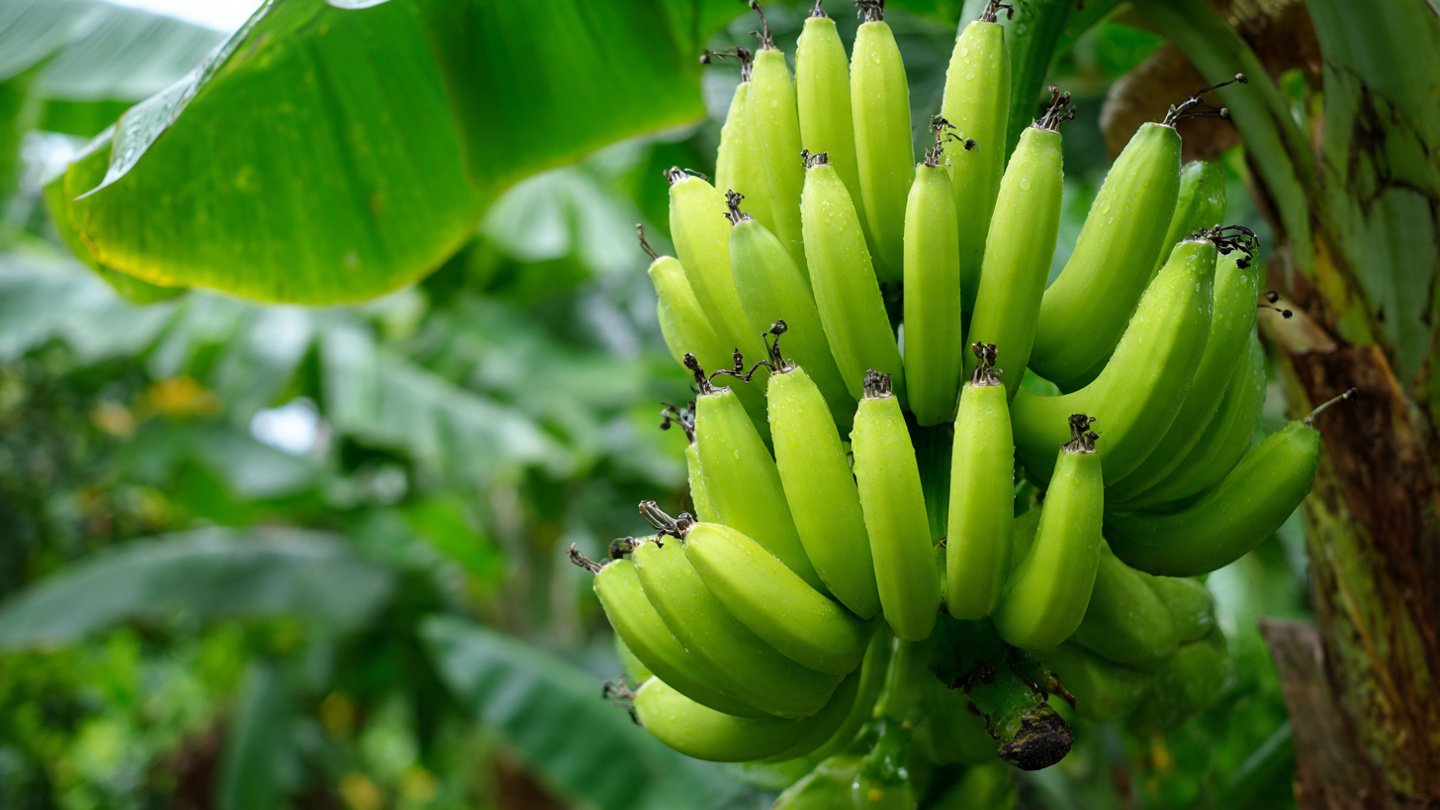
Growing your own Cavendish bananas can be a rewarding and delightful endeavor. Not only do they add a tropical flair to your garden, but they also provide delicious, fresh fruit right at your fingertips. This guide will walk you through the essentials of growing Cavendish bananas at home, from choosing the right location to caring for your plants and harvesting your fruit.
Understanding Cavendish Bananas
Cavendish bananas are the most popular banana variety globally, known for their sweet flavor and creamy texture. They thrive in tropical climates, but with the right care, they can also be grown in subtropical and even temperate regions. Cavendish bananas are typically sold in grocery stores, which makes growing them at home incredibly rewarding.
Latest Posts
- Easy Steps to Successfully Grow Bhindi in Grow Bags at Home
- Easy Steps to Grow a Healthy Guava Bonsai at Home for Beginners
- How to Successfully Grow and Cultivate White Strawberry Plants at Home for Delicious and Unique Fruits
- Ultimate Guide to Successfully Growing Weeping Fig Outdoors with Proven Techniques and Expert Tips
- How to Successfully Grow Flemish Beauty Pear Trees in Canada for Optimal Harvest
- Easy Hack to Grow Strawberries Year Round in Your Home Garden for Delicious Harvests
- Growing Flemish Beauty Pears in Canada A Complete Guide for Local Gardens
- The Ultimate Guide to Growing Hibiscus Plants Year Round for Vibrant Blooms and Healthy Foliage
- Easy Ways to Boost the Growth Rate of Your Indoor Peace Lily for Lush Green Foliage
- How to Successfully Grow Oak Leaf Lettuce in Your Home Garden for Fresh and Flavorful Salads
Selecting the Right Location
-
Climate:
- Cavendish bananas thrive in warm, humid environments. Ideally, they prefer temperatures between 75°F and 95°F (24°C to 35°C). If your region experiences cold winters, growing bananas in containers can be a practical solution.
-
Sunlight:
- These plants require full sunlight for optimal growth. Choose a location that receives at least 6-8 hours of direct sunlight daily.
-
Soil:
- Well-draining, loamy soil is essential. Bananas prefer slightly acidic to neutral pH levels (around 5.5 to 7.0). If your soil is too clay-heavy, consider amending it with organic matter like compost to improve drainage.
-
Space:
- Cavendish banana plants can grow up to 10-15 feet tall and require space to spread out. Allow at least 8-10 feet between plants if growing multiple.
Choosing Your Banana Plants
-
Seeds vs. Suckers:
- Cavendish bananas are typically propagated from suckers (young shoots that emerge from the base of a mature banana plant) rather than seeds. Look for healthy suckers that are at least 3 feet tall and have good root development.
-
Purchasing:
- You can typically purchase healthy Cavendish suckers at local nurseries or garden centers. Ensure they are disease-free and robust.
-
Container Growing:
- If space is limited, consider growing your Cavendish bananas in containers. Choose a large pot (at least 15 gallons) with drainage holes.
Planting Your Cavendish Bananas
-
Timing:
- The best time to plant Cavendish bananas is in the spring after the last frost. This timing allows the plants to establish themselves before the heat of summer.
-
Preparation:
- Dig a hole that is about twice as wide and deep as the root ball of your banana sucker. Mix compost or well-rotted manure into the backfill soil to enrich it.
-
Planting:
- Place the banana sucker in the center of the hole, ensuring that the top of the root ball is level with the soil surface. Fill in with soil, and lightly tamp it down to remove air pockets.
-
Watering:
- Water the banana plant thoroughly after planting to settle the soil around the roots. This initial watering is crucial for helping the plant adjust to its new environment.
Caring for Your Cavendish Bananas
-
Watering:
- Bananas require consistent moisture, especially during their growing season. Water them deeply once or twice a week, depending on your climate. The soil should be kept consistently moist but not soggy.
-
Fertilizing:
- To promote healthy growth, fertilize your bananas every 6-8 weeks during the growing season using a balanced fertilizer (such as a 10-10-10 NPK blend). Additionally, you can use organic options like banana peels, compost, or well-rotted manure.
-
Mulching:
- Apply a layer of organic mulch around the base of the plant to conserve moisture, suppress weeds, and keep roots cool. Straw, wood chips, or grass clippings work well as mulch.
-
Pruning:
- Regularly remove any dead or damaged leaves to promote airflow and prevent disease. As banana plants grow, they will naturally shed older leaves, which can be cut away.
-
Pest Control:
- Keep an eye out for pests like spider mites, aphids, and banana weevils. Use insecticidal soap or neem oil as a natural remedy, and ensure good air circulation to deter pests.
-
Disease Management:
- Cavendish bananas are susceptible to diseases like Panama disease and Black Sigatoka. Ensure proper airflow, avoid overwatering, and rotate plants to minimize risks.
Pollination and Flowering
Cavendish banana plants are self-pollinating, meaning they don’t require pollinators like bees to produce fruit. After about 9-12 months of growth, your plant will produce a flower spike, known as an inflorescence, which will develop into a bunch of bananas. The spike will eventually bend down, allowing the bananas to grow upward.
Harvesting Bananas
-
Timing:
- Bananas typically take about 10-15 months from planting to harvest, depending on growing conditions. Look for a green-yellow hue on the bananas and a slight rounding of the fruit.
-
Cutting:
- Use a sharp knife or pruning shears to cut the entire bunch from the plant when it’s ready. Handle with care to avoid bruising the fruit during the harvesting process.
-
Ripening:
- To ripen your bananas, hang the bunch in a dry, cool place away from direct sunlight. You can also place them in a paper bag with an apple to speed up the ripening process, as apples release ethylene gas, which promotes ripening.
Troubleshooting Common Issues
-
Yellow Leaves:
- If your banana plant’s leaves are turning yellow, it could indicate overwatering, nutrient deficiency, or exposure to cold temperatures.
-
Stunted Growth:
- Stunted growth can result from poor soil quality, inadequate sunlight, or insufficient watering. Ensure your plant is receiving adequate care and nutrients.
-
No Fruit:
- If your plant is not producing fruit, it may be due to insufficient sunlight, nutrients, or improper watering. Make adjustments and be patient; it may take additional time for younger plants to mature.
Tips for Success
- Companions: Consider planting companion plants nearby, such as marigolds or basil, to help deter pests and attract beneficial insects.
- Container Care: If growing in containers, rotate them every few weeks to ensure even sunlight exposure.
- Winter Care: In colder climates, protect your plants during winter by bringing potted plants indoors or covering garden plants with frost cloth.
Conclusion
Growing Cavendish bananas at home requires patience and care, but you’ll be rewarded with sweet, fresh fruit. Whether you opt to plant them in the ground or use containers, closely following the tips provided will help you cultivate a thriving banana plant. Enjoy the process, and soon enough, you’ll be indulging in the satisfaction of harvesting your very own Cavendish bananas! Happy gardening!