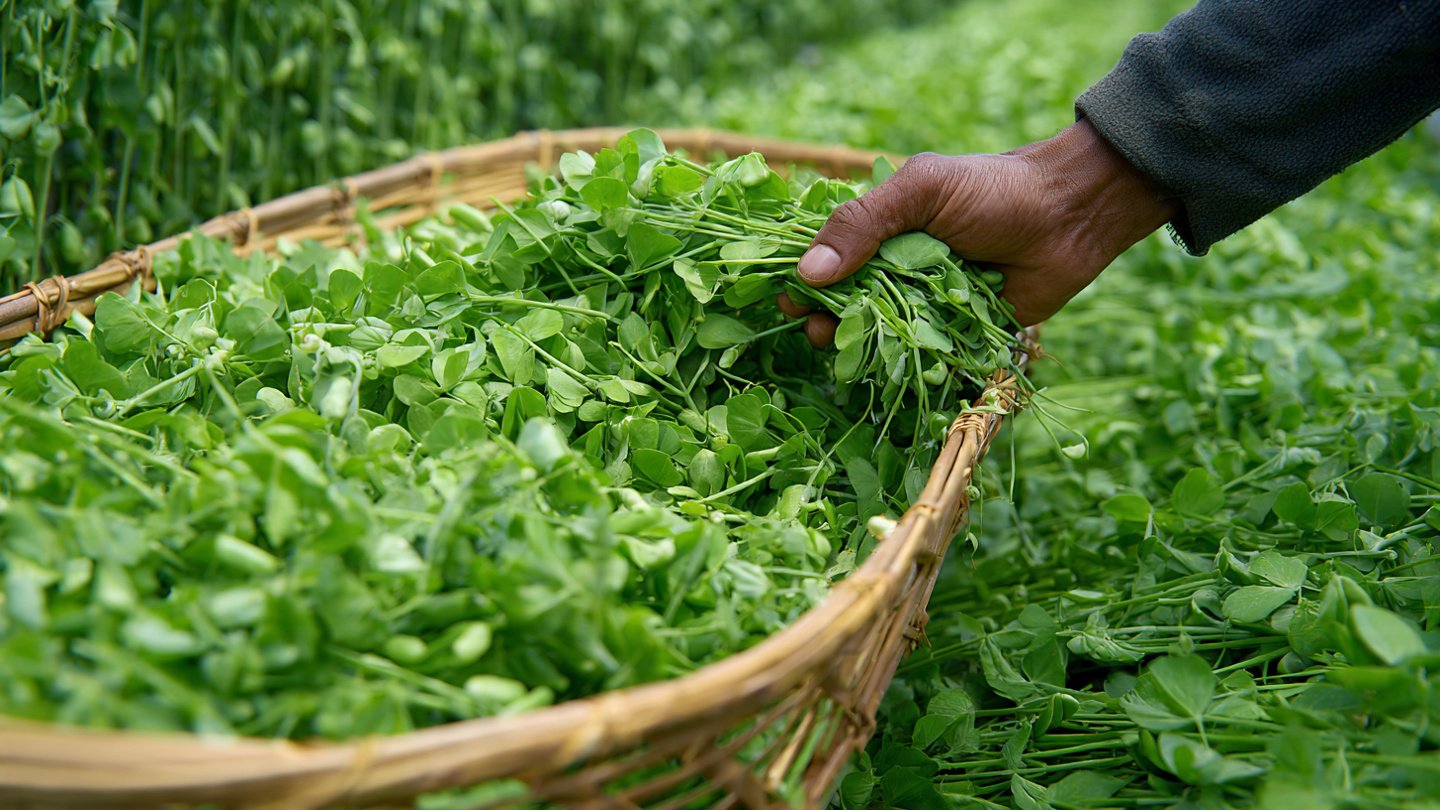
Growing pea greens is a delightful and rewarding endeavor for both novice gardeners and seasoned horticulturists. Not only are these nutrient-rich young shoots packed with flavor and health benefits, but they also offer the charm of continuous harvests. This guide will delve into the ins and outs of cultivating pea greens, ensuring that you can enjoy this delicious crop all season long.
Understanding Pea Greens
What are Pea Greens?
Pea greens, also known as pea shoots, are the tender young leaves and stems of pea plants. They are typically harvested when they reach around 4-6 inches in height and boast a mild, sweet flavor reminiscent of peas. Pea greens are highly nutritious, rich in vitamins A, C, and K, as well as folate and fiber.
Why Grow Pea Greens?
- Fast and Easy: Pea greens grow quickly and can be harvested in as little as three weeks from planting.
- Versatile Culinary Uses: They can be used in salads, stir-fries, soups, or as a garnish. Their unique flavor can elevate numerous dishes.
- Continuous Harvest: With the right techniques, you can enjoy multiple harvests from the same planting.
Selecting the Right Variety
When it comes to growing pea greens, the choice of variety is essential. Many types of peas can be grown for their greens, but here are a few of the best:
Latest Posts
- Easy Steps to Successfully Grow Bhindi in Grow Bags at Home
- Easy Steps to Grow a Healthy Guava Bonsai at Home for Beginners
- How to Successfully Grow and Cultivate White Strawberry Plants at Home for Delicious and Unique Fruits
- Ultimate Guide to Successfully Growing Weeping Fig Outdoors with Proven Techniques and Expert Tips
- How to Successfully Grow Flemish Beauty Pear Trees in Canada for Optimal Harvest
- Easy Hack to Grow Strawberries Year Round in Your Home Garden for Delicious Harvests
- Growing Flemish Beauty Pears in Canada A Complete Guide for Local Gardens
- The Ultimate Guide to Growing Hibiscus Plants Year Round for Vibrant Blooms and Healthy Foliage
- Easy Ways to Boost the Growth Rate of Your Indoor Peace Lily for Lush Green Foliage
- How to Successfully Grow Oak Leaf Lettuce in Your Home Garden for Fresh and Flavorful Salads
- Sugar Snap Peas: These yield sweet, crunchy shoots and tend to provide vigor.
- Snow Peas: With flattened pods, they offer a slightly milder taste and can grow densely.
- Garden Peas: Classic round peas also provide tasty shoots that are packed with flavor.
Selecting a variety that suits your taste preferences is vital for an enjoyable harvest experience.
Site Selection and Preparation
Choosing the Right Location
Pea greens thrive in well-drained soil with plenty of sunlight. Ideally, select a location that receives at least 6-8 hours of sunlight daily. It’s also important to ensure that the spot has good air circulation to prevent disease.
Soil Preparation
- pH Level: Peas prefer slightly acidic to neutral soil (pH 6.0 to 7.0).
- Soil Type: Loamy soil is optimal; however, good drainage is necessary. If your soil is heavy clay, consider amending it with organic matter, like compost or well-rotted manure.
- Nutrients: Before planting, mix in a balanced fertilizer or well-composted organic matter to ensure the soil is rich in nutrients.
Sowing Pea Greens
Timing
Pea greens can be grown in both spring and fall. In cooler climates, you can plant them as early as February, while in warmer regions, they can be sown in the fall for a late-season harvest.
Seeding Methods
- Direct Sowing: Scatter seeds thickly in rows about 1-2 inches apart. Cover them with about an inch of soil.
- Container Planting: If you’re short on space, use pots or containers. Ensure they’re deep enough for roots, at least 6-8 inches.
- Succession Planting: For continuous greens, sow seeds every 2-3 weeks. This method will provide a steady supply.
Watering
Immediately after sowing, provide gentle watering to keep the soil moist but not soggy. During the germination period, a consistent moisture level is crucial. Once the shoots emerge, you can slightly reduce watering frequency while ensuring they don’t dry out completely.
Caring for Your Pea Greens
Light Requirements
Pea greens thrive with adequate sunlight. If you’re growing indoors or in shadier areas, consider using grow lights to supplement daylight. Position lights about 6-12 inches above the plants and keep them on for 12-16 hours a day.
Fertilization
While pea greens are not heavy feeders, additional nutrients can boost their growth. About halfway through their growing period, consider using a diluted liquid fertilizer. Fish emulsion or a balanced organic fertilizer can work well, applied every couple of weeks.

Pest and Disease Management
Regularly examine your pea greens for pests like aphids or spider mites. These can often be managed by introducing beneficial insects like ladybugs or by spraying insecticidal soap.
Avoid Overcrowding
As your pea greens grow, thin the shoots to prevent overcrowding. This improves air circulation, reduces disease pressure, and ensures each plant receives enough nutrients.
Harvesting Pea Greens
When to Harvest
Pea greens are ready for harvest when they reach about 4-6 inches in height. At this stage, the leaves are tender and packed with flavor.

How to Harvest
- Cutting: Use clean, sharp scissors to snip off the tops of the shoots just above a leaf node. This encourages further growth and bushiness.
- Frequency: You can typically harvest 2-3 times from the same planting. After your first harvest, give the plants some time to regenerate before the next cut.
Storage After Harvest
Freshly harvested pea greens are best consumed immediately. However, if you need to store them, keep them in the refrigerator in a loosely sealed container. They usually stay fresh for about a week.
Encouraging Continuous Harvests
To achieve continuous harvests of pea greens, consider the following strategies:
1. Succession Planting
Continue planting seeds every 2-3 weeks throughout the growing season. This will ensure that you always have some pea greens maturing.
2. Cut and Come Again
When harvesting, cut the pea greens at a height of about 2-3 inches. This will allow the plants to regrow for a second (or even third) harvest, provided you maintain proper care.
3. Companion Planting
Consider planting your pea greens alongside other fast-growing vegetables, like radishes, which can thrive in the same conditions. This strategy maximizes space and can enhance soil fertility.
4. Use Cold Frames or Tunnels
In cooler climates, utilize cold frames or low tunnels to extend the growing season. These structures protect your greens from harsh weather and allow for a longer growing period.
Conclusion
Growing pea greens is not just an enjoyable gardening experience but also a rewarding one. By understanding the right techniques and strategies, you can achieve continuous harvests that will elevate your culinary adventures. Start with quality seeds, provide the right care, and practice succession planting to keep your kitchen stocked with this flavorful, nutritious green. Happy gardening!