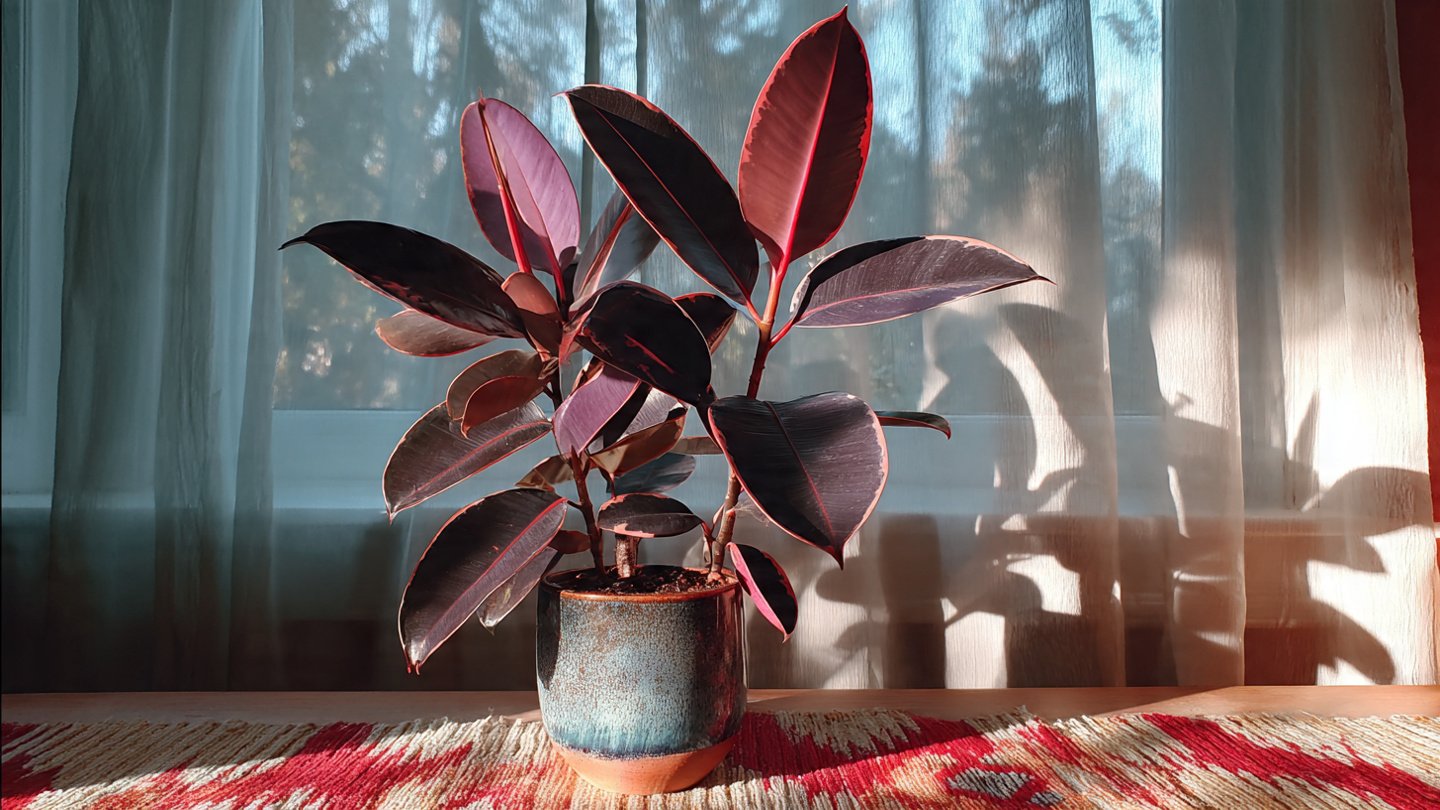
The Burgundy Rubber Plant, or Ficus elastica, is a stunning houseplant that has gained immense popularity due to its striking appearance and relatively low maintenance requirements. With its dark green to burgundy leaves, it adds a tropical touch to indoor spaces while purifying the air. In this article, we will guide you through the necessary steps to successfully grow a Burgundy Rubber Plant indoors, enhancing both your home aesthetic and your indoor air quality.
Understanding the Burgundy Rubber Plant
Botanical Characteristics
The Burgundy Rubber Plant is a member of the Moraceae family and is native to Southeast Asia. It can grow quite tall in its natural habitat, reaching heights of up to 100 feet, though it generally stays smaller indoors, typically between 2 and 10 feet depending on pot size and care. The leaves are leathery, dark green, and glossy, with some varieties featuring a burgundy underside.
Why Grow Indoors?
Growing a Burgundy Rubber Plant indoors is an excellent choice due to its forgiving nature and air-purifying qualities. It’s known to remove toxins like formaldehyde, which makes it a practical addition to bedrooms, living rooms, and offices. Additionally, its dramatic foliage contributes to a lush interior design, complementing various styles from modern to bohemian.
Selecting the Right Location
Light Requirements
Burgundy Rubber Plants thrive in bright, indirect light. While they can tolerate low light conditions, they grow best in brighter settings. It’s important to avoid prolonged direct sunlight, which can scorch their leaves. Ideally, place your plant near a window that offers filtered light.

Temperature and Humidity
This plant prefers moderate to warm temperatures, ideally between 65°F and 80°F (18°C to 27°C). Sudden temperature changes can stress the plant, leading to leaf drop or stunted growth. Moreover, Rubber Plants enjoy humidity levels between 40-60%. If your home is dry, especially in winter, consider using a humidifier or placing the pot on a tray filled with pebbles and water.
Latest Posts
- Easy Steps to Successfully Grow Bhindi in Grow Bags at Home
- Easy Steps to Grow a Healthy Guava Bonsai at Home for Beginners
- How to Successfully Grow and Cultivate White Strawberry Plants at Home for Delicious and Unique Fruits
- Ultimate Guide to Successfully Growing Weeping Fig Outdoors with Proven Techniques and Expert Tips
- How to Successfully Grow Flemish Beauty Pear Trees in Canada for Optimal Harvest
- Easy Hack to Grow Strawberries Year Round in Your Home Garden for Delicious Harvests
- Growing Flemish Beauty Pears in Canada A Complete Guide for Local Gardens
- The Ultimate Guide to Growing Hibiscus Plants Year Round for Vibrant Blooms and Healthy Foliage
- Easy Ways to Boost the Growth Rate of Your Indoor Peace Lily for Lush Green Foliage
- How to Successfully Grow Oak Leaf Lettuce in Your Home Garden for Fresh and Flavorful Salads
Potting and Soil
Choosing the Right Pot
When selecting a pot for your Burgundy Rubber Plant, ensure it has drainage holes to prevent waterlogging. Terracotta or ceramic pots are great options due to their breathability. The size of the pot should allow for some growth; generally, a pot that is 1-2 inches wider in diameter than the root ball is ideal.
Soil Preferences
A well-draining potting mix is crucial for the health of your Rubber Plant. A combination of potting soil, perlite, and peat moss provides adequate drainage while retaining some moisture. You can also use commercial indoor plant mix or cactus mix, which often contains the necessary components.
Watering Practices
Watering Frequency
Burgundy Rubber Plants prefer their soil to dry out between waterings. During the growing season (spring and summer), water the plant when the top 1-2 inches of soil feel dry. In the fall and winter months, reduce your watering frequency as the plant enters a dormant phase. Overwatering can lead to root rot, a common issue that can be fatal.

Signs of Overwatering and Underwatering
Watch for signs of distress in your plant. Overwatered plants may exhibit yellowing leaves that eventually drop off, and the soil may feel wet or soggy. On the other hand, underwatered Rubber Plants may develop brown, crispy leaf edges and drooping foliage. Adjust your watering routine based on these signs and the plant’s environment.
Fertilization
When and How to Fertilize
Fertilizing your Burgundy Rubber Plant enhances growth and ensures vibrant foliage. Use a balanced liquid fertilizer diluted to half strength every 4-6 weeks during the growing season (spring and summer). Avoid fertilizing in the fall and winter months when the plant is resting.
Organic Options
You can also opt for organic fertilizers, such as fish emulsion or worm castings, during the growing season. These are slower-releasing and help fortify the soil without the risk of chemical buildup.
Pruning and Maintenance
Pruning Techniques
Regularly pruning your Burgundy Rubber Plant encourages bushier growth and helps remove any dead or damaged leaves. Use clean, sharp scissors to trim back branches and leaves as needed. Early spring is an ideal time for significant pruning as it allows the plant to regrow during the active growing season.

Cleaning the Leaves
The glossy leaves of the Burgundy Rubber Plant can attract dust, which can impede photosynthesis. Use a damp cloth or gentle spray to clean the leaves regularly. This not only keeps the plant looking its best but also helps it absorb maximum light.
Pest Management
Common Pests
Despite being relatively hardy, Burgundy Rubber Plants can face infestations from common houseplant pests, including spider mites, mealybugs, and aphids. Regularly inspect your plant for signs of pests such as webbing, sticky residue, or discolored leaves.
Natural Remedies
If you spot pests, act quickly. Neem oil or insecticidal soap can be effective organic treatments. Spray the affected areas thoroughly and repeat every 7-14 days until the infestation is under control.
Dealing with Problems
Leaf Drop
Leaf drop can occur due to several factors, such as overwatering, underwatering, temperature shifts, or low light conditions. Assess the environment and care practices to identify the cause and make necessary adjustments.

Slow Growth
If your Burgundy Rubber Plant is growing slowly or appears to stagnate, it could be a sign of inadequate light, poor soil, or root-bound conditions. Ensure the plant is receiving sufficient light and consider repotting it into a larger pot if it has outgrown its current one.
Propagation
Propagation Methods
Burgundy Rubber Plants are relatively easy to propagate, making it simple to grow new plants or share with friends. The most common methods are:
- Stem Cuttings: Cut a healthy stem with several leaves and place it in water or directly in moist soil. Keep it warm and humid until roots develop.
- Air Layering: This method involves making a small incision in a healthy stem and wrapping it with moist sphagnum moss until roots form.
Timing
Spring is the best time for propagation, as the plant is actively growing, improving the chances of successful rooting.
Conclusion
Growing a Burgundy Rubber Plant indoors can be a rewarding and fulfilling endeavor. With the right care involving adequate light, proper watering, suitable potting, and regular maintenance, you can enjoy a beautiful, thriving plant that adds a touch of elegance to your home. By understanding the specific needs of this stunning houseplant, you’ll be able to navigate any challenges that may arise and cultivate a lush, vibrant environment indoors. Embrace the journey of indoor gardening, and watch as your Burgundy Rubber Plant flourishes!