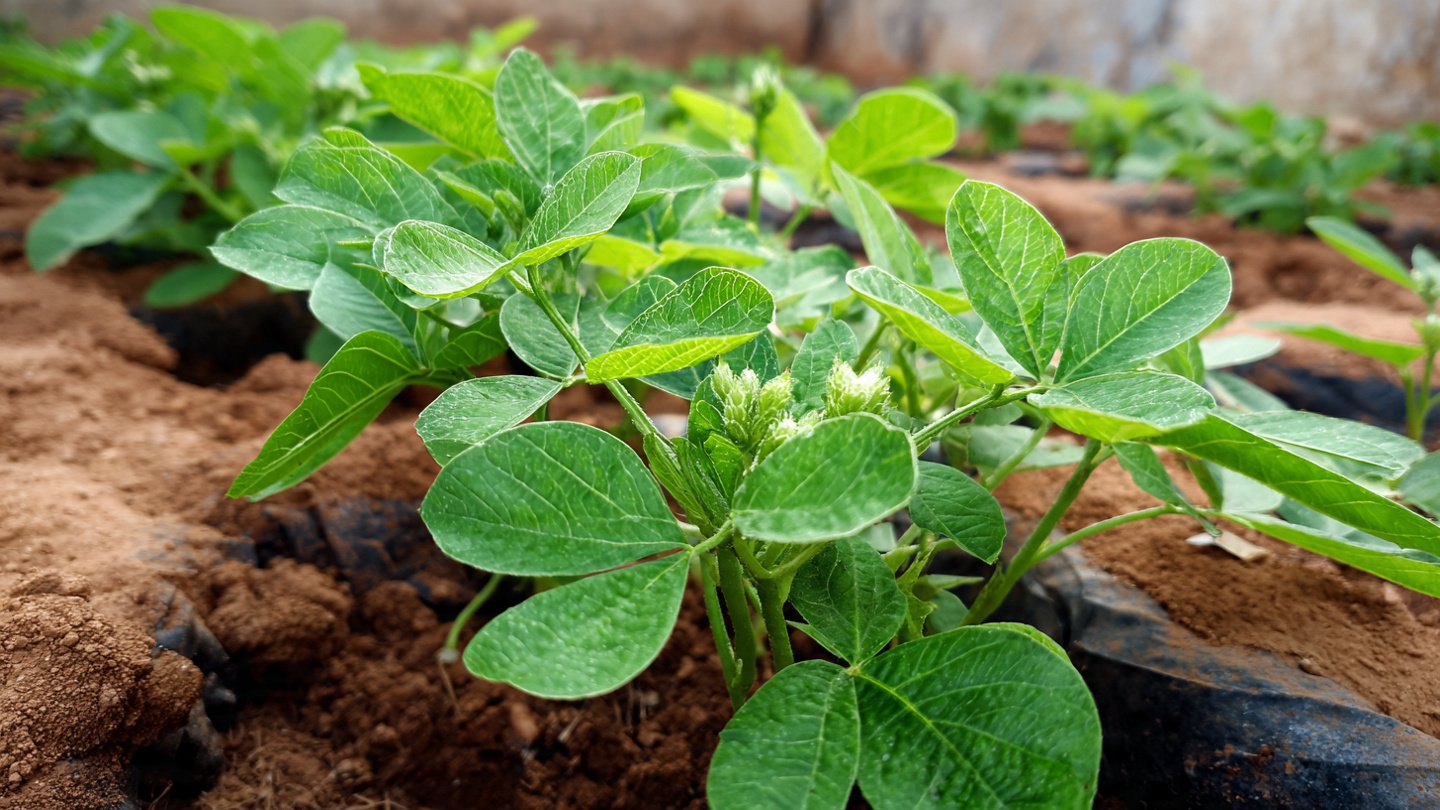
Growing groundnuts (also known as peanuts) in pots is an excellent way to enjoy fresh, homegrown nuts even if you have limited space or no access to a garden. Groundnuts are nutritious legumes that thrive in warm climates, and with the right care, you can achieve a bountiful harvest from pots on your balcony, patio, or veranda. This comprehensive guide walks you through the entire process, from selecting the ideal pot and soil to nurturing the plants and harvesting the peanuts.
Understanding Groundnuts
Groundnuts, scientifically known as Arachis hypogaea, are unique legumes that develop pods underground. Unlike many other nuts, peanuts grow beneath the soil, making it essential to create the right environment for pod development. Groundnuts require a warm growing season with ample sunlight, loose soil, and consistent watering.
Latest Posts
- Easy Steps to Successfully Grow Bhindi in Grow Bags at Home
- Easy Steps to Grow a Healthy Guava Bonsai at Home for Beginners
- How to Successfully Grow and Cultivate White Strawberry Plants at Home for Delicious and Unique Fruits
- Ultimate Guide to Successfully Growing Weeping Fig Outdoors with Proven Techniques and Expert Tips
- How to Successfully Grow Flemish Beauty Pear Trees in Canada for Optimal Harvest
- Easy Hack to Grow Strawberries Year Round in Your Home Garden for Delicious Harvests
- Growing Flemish Beauty Pears in Canada A Complete Guide for Local Gardens
- The Ultimate Guide to Growing Hibiscus Plants Year Round for Vibrant Blooms and Healthy Foliage
- Easy Ways to Boost the Growth Rate of Your Indoor Peace Lily for Lush Green Foliage
- How to Successfully Grow Oak Leaf Lettuce in Your Home Garden for Fresh and Flavorful Salads
Choosing the Right Pot
The container you choose plays a critical role in the successful growth of your groundnut plant. Here are some tips for selecting the ideal pot:
- Size: Groundnut plants have deep roots because the pods develop underground. Choose a pot that is at least 12 to 14 inches deep and about 12 inches wide to allow sufficient room for root growth.
- Material: Terra cotta, plastic, or ceramic pots work well. Terra cotta pots offer good aeration but dry out faster, so frequent watering might be necessary.
- Drainage: Proper drainage is crucial to prevent waterlogging, which can lead to root rot. Ensure the pot has multiple drainage holes at the bottom.
Selecting the Soil
Groundnuts prefer loose, well-draining soil rich in organic matter. Avoid heavy clay soils, which can become compacted and hinder the development of pods underground.
- Soil Type: A sandy loam soil mix is ideal, as it allows easy penetration of pegs (the structures that carry the fertilized flowers underground to form pods).
- Soil Preparation: Mix garden compost or well-rotted manure into the potting soil to increase fertility and improve water retention.
- pH Level: Groundnuts favor slightly acidic to neutral soil with a pH between 6.0 and 6.5.
Seed Selection and Preparation
Start your groundnut plants with high-quality seeds or raw peanuts intended for planting (not roasted or salted).
- Seed Variety: Choose varieties suited to container growing, such as Valencia or Spanish peanuts, which tend to be more compact.
- Seed Treatment: For better germination, soak the seeds in water for 4 to 6 hours before planting.
- Seed Quality: Select plump, healthy seeds free from mold or damage.
Planting Groundnuts in Pots
Once your seeds and pots are ready, follow these steps to plant groundnuts successfully:
- Filling the Pot: Fill your pot with prepared soil, leaving about an inch of space from the rim.
- Planting Depth: Plant the seeds about 1.5 to 2 inches deep with the pointed end facing down.
- Spacing: If planting multiple seeds in one pot, maintain a spacing of 3-4 inches between seeds to provide enough room for pods to develop.
- Watering: Water the soil gently immediately after planting to settle the soil around the seeds.
Providing Ideal Growing Conditions
Sunlight
Groundnuts require full sun exposure to flourish. Aim for at least 6 hours of direct sunlight per day.
Temperature
Groundnuts grow best in warm conditions with daytime temperatures between 70-85°F (21-29°C). Avoid planting when frost is expected or during cold spells.
Watering
- Initial Watering: Keep the soil moist but not waterlogged during germination.
- Growth Phase: Water regularly to maintain consistent moisture, especially during flowering and pod development.
- Watering Tip: Water the soil at the base of the plants rather than overhead to prevent fungal diseases.
Fertilizing
While groundnuts fix nitrogen in the soil through their root nodules, they still benefit from balanced fertilization.
- Use a slow-release fertilizer with a balanced nutrient ratio (e.g., 10-10-10 NPK) at planting.
- Side dress with compost or organic liquid fertilizer every 3 to 4 weeks during the growing season.
Caring for Groundnut Plants

Weed Control
Keep the pot free of weeds, as they compete with groundnut plants for nutrients and water.
Pest and Disease Management
Common pests include aphids, leafhoppers, and spider mites. Diseases such as leaf spot and root rot can also affect groundnut plants.
- Natural Remedies: Spray with neem oil or insecticidal soap to control pests.
- Good Practices: Avoid overhead watering, ensure good air circulation, and remove affected leaves promptly.
Supporting Growth
As the plants grow, they produce yellow flowers, which after fertilization, develop into pegs that push into the soil to form pods.
- Ensure the soil remains loose enough to allow the pegs to penetrate.
- Gently cover pegs with soil if necessary to protect them from drying out.
Harvesting Groundnuts
Groundnuts typically take around 120 to 150 days to mature, depending on the variety and growing conditions.

Signs of Readiness
- The plant’s leaves begin to yellow and wilt.
- The pods grow to full size and the outer shell hardens.
- Gently dig up a test pod to check if the shell is fully formed and the peanuts inside are mature.
Harvesting Process
- Carefully loosen the soil around the plant using a small trowel.
- Lift the entire plant from the pot, holding the stem near the base.
- Shake off excess soil and allow the plants to dry in a warm, airy place for a few days.
Curing and Storage
- After drying, remove the pods from the roots.
- Cure the pods by spreading them out in a dry, shaded area for an additional week.
- Store cured peanuts in a cool, dry place or roast them for immediate consumption.
Troubleshooting Common Issues
- Poor Germination: Ensure seeds are fresh and properly soaked. Avoid planting in overly cold soil.
- Yellowing Leaves: Could indicate nutrient deficiency or overwatering.
- No Pod Development: Often due to insufficient sunlight or poor soil aeration.
- Pest Infestations: Regular inspection and organic pest control methods help keep problems in check.

Benefits of Growing Groundnuts in Pots
- Space Efficiency: Ideal for small spaces like balconies or patios.
- Controlled Environment: Easier to manage soil quality, moisture, and pests.
- Continuous Harvest: Stagger planting for multiple harvests throughout the growing season.
- Educational Project: Great for teaching children about plant growth and food origins.
Final Tips for a Successful Groundnut Harvest
- Start with high-quality seeds and nutrient-rich soil.
- Place pots in a sunny spot, ideally exposed to full sunlight.
- Maintain consistent watering without waterlogging.
- Monitor plants regularly for signs of pests or diseases.
- Be patient; groundnuts take time to mature but the harvest is rewarding.
Growing groundnuts in pots can be a fun and fulfilling gardening project. With attentive care and the right conditions, you can enjoy fresh, homegrown peanuts that not only taste great but also add nutritional value to your diet. Happy planting!