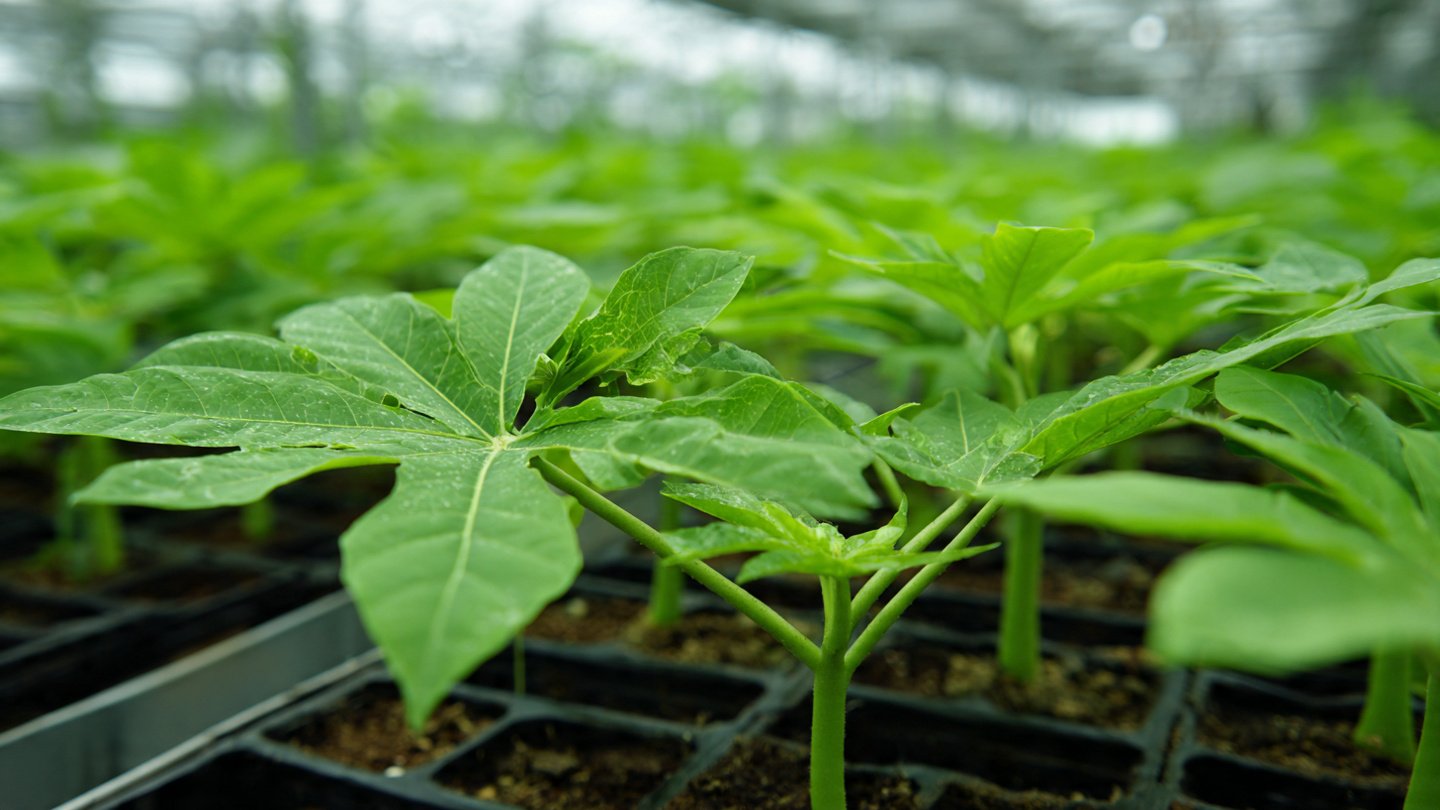
Papaya (Carica papaya) is not only a delicious tropical fruit but also a valuable addition to home gardens. Germinating papaya seeds can be a rewarding experience, leading to vibrant plants that bear fruit within a year. This detailed guide will walk you through the process of successfully germinating papaya seeds, ensuring your plants thrive and provide you with a bountiful harvest.
Understanding Papaya Seeds and Their Germination
Before diving into the germination process, it is crucial to understand the characteristics of papaya seeds. Each papaya fruit contains numerous seeds, usually black and round, encased in a gelatinous covering. This protective layer often inhibits germination, so preparing the seeds properly is essential.
Latest Posts
- Easy Steps to Successfully Grow Bhindi in Grow Bags at Home
- Easy Steps to Grow a Healthy Guava Bonsai at Home for Beginners
- How to Successfully Grow and Cultivate White Strawberry Plants at Home for Delicious and Unique Fruits
- Ultimate Guide to Successfully Growing Weeping Fig Outdoors with Proven Techniques and Expert Tips
- How to Successfully Grow Flemish Beauty Pear Trees in Canada for Optimal Harvest
- Easy Hack to Grow Strawberries Year Round in Your Home Garden for Delicious Harvests
- Growing Flemish Beauty Pears in Canada A Complete Guide for Local Gardens
- The Ultimate Guide to Growing Hibiscus Plants Year Round for Vibrant Blooms and Healthy Foliage
- Easy Ways to Boost the Growth Rate of Your Indoor Peace Lily for Lush Green Foliage
- How to Successfully Grow Oak Leaf Lettuce in Your Home Garden for Fresh and Flavorful Salads
Factors Affecting Germination
- Seed Viability: Fresh seeds yield higher germination rates. Older seeds may have reduced viability and should be replaced.
- Temperature: Papaya seeds prefer a warm environment; ideal soil temperatures range from 75°F to 90°F (24°C to 32°C).
- Moisture: Consistent moisture levels are necessary for germination but avoid overwatering, which can lead to rot.
- Soil Type: A well-draining soil mix rich in organic material supports healthy germination and root development.
Step-by-Step Guide to Germinating Papaya Seeds
Step 1: Collecting Seeds
If you’re using seeds from a papaya fruit, select a ripe fruit from a healthy plant. Here’s how to collect the seeds:
- Cut Open the Fruit: Slice the ripe papaya in half and scoop out the seeds.
- Rinse Seeds: Place the seeds in a sieve and rinse them thoroughly under running water to remove the sticky pulp.
- Dry Seeds: Spread the washed seeds on a paper towel and allow them to dry for several days in a warm area away from direct sunlight.
Step 2: Preparing the Seeds
After drying, prepare the seeds for germination:
- Stratification (Optional): Some gardeners recommend soaking seeds in water for 24 to 48 hours to enhance germination. This helps to soften the seed coat.
- Removing Gelatinous Coating: If you notice a sticky coating on the seeds, you can gently rub them with sandpaper or a cloth to improve germination rates.
Step 3: Choosing a Germination Method
There are a few popular methods to germinate papaya seeds:
Method 1: Soil Germination
- Select Containers: Choose small pots or seed trays with drainage holes.
- Prepare Potting Mix: Use a mix of peat moss, perlite, and compost. This combination provides excellent drainage and nutrients.
- Plant Seeds: Plant seeds about 0.5 inches (1.3 cm) deep and space them evenly. Cover lightly with soil.
- Water: Gently moisten the soil without over-saturating. A spray bottle can help control moisture levels.
Method 2: Paper Towel Germination

- Wet Paper Towels: Take a paper towel, wet it, and wring it out so it’s damp but not dripping.
- Place Seeds: Lay the seeds on one half of the towel and fold the other half over. This ensures consistent moisture around the seeds.
- Seal in a Bag: Place the towel inside a plastic zip-top bag to keep humidity high.
- Monitor Moisture: Check the seeds every few days to ensure the towel remains moist but not waterlogged.
Step 4: Creating the Right Environment
Regardless of the germination method you choose, creating the right environment is critical:
- Temperature Control: Keep the seeds in a warm area, ideally between 75°F to 90°F (24°C to 32°C). Using a heat mat can help maintain consistent warmth.
- Humidity: If you’re using containers or trays, covering them with plastic wrap or a clear lid can help retain humidity. Remove the cover daily to prevent mold growth.
- Light Exposure: Once the seeds begin to sprout, they need bright, indirect sunlight. Avoid direct sun exposure to prevent scorching the seedlings.

Step 5: Caring for Germinated Seeds
After germination, typically occurring 1 to 3 weeks after planting, care for your seedlings properly:
- Thinning: If multiple seeds germinate in a single pot, thin them out to ensure each plant has adequate space to grow. Leave the strongest seedling if you want to maximize success.
- Transplanting: When seedlings develop two to three sets of true leaves, it’s time to transplant them into larger pots or directly into the garden. Space them at least 3-6 feet apart to allow for their mature size.
- Watering: Keep the soil consistently moist, never allowing it to dry out completely or become waterlogged.
- Fertilizing: Once transplanted, feed the plants with a balanced fertilizer every 4-6 weeks. A ratio such as 10-10-10 (N-P-K) is suitable for young plants.
Step 6: Monitoring Growth
As your papaya plants grow, monitor them for pests and diseases. Common issues include:
- Pests: Watch for aphids, spider mites, and whiteflies. Hand-picking or insecticidal soap can help manage small infestations.
- Diseases: Fungal diseases can occur in overly humid conditions. Ensure proper airflow and avoid overhead watering.
Step 7: Harvesting Papayas
Papaya plants typically begin to bear fruit 6 to 18 months after planting, depending on growing conditions. Here’s how to tell when your papayas are ready for harvest:
- Color Change: As the fruit ripens, it will transition from green to a yellow-orange color.
- Texture: Ripe papayas will yield slightly to gentle pressure.
- Timing: Harvest fruit when it is mostly yellow but still slightly firm for the best flavor.
Conclusion
Germinating papaya seeds can be a fulfilling gardening project, leading to thriving plants that enhance your garden and palette. By following this comprehensive guide, you can ensure successful germination and growth, paving the way for a plentiful harvest of delicious, nutritious fruits. Whether you’re a seasoned gardener or a novice, the joy of growing papaya from seed is accessible, bringing a slice of the tropics right to your backyard. Happy gardening!