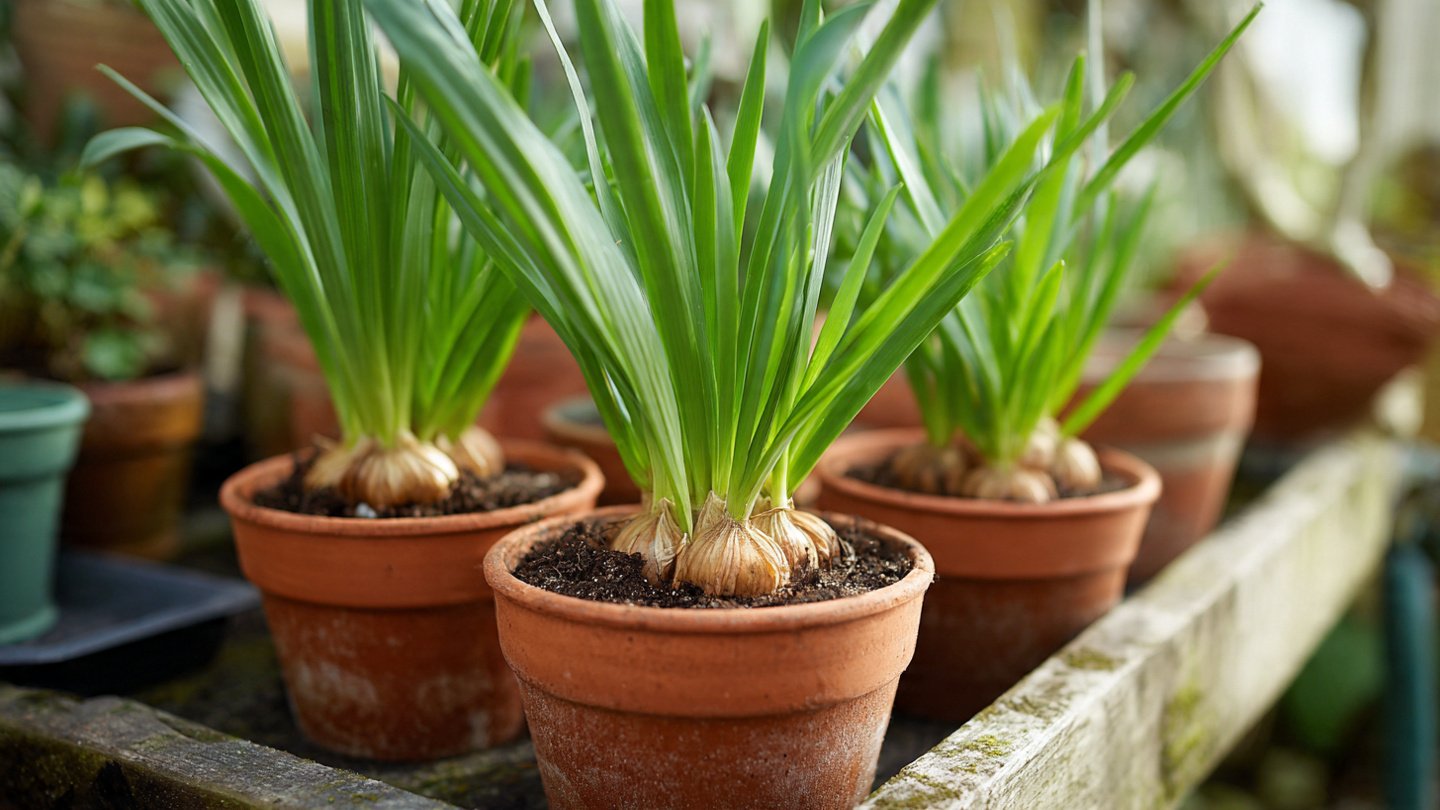
Growing vegetables in pots is an increasingly popular solution for urban dwellers, gardening enthusiasts with limited space, or anyone looking to add some fresh produce to their meals. Among the many vegetables that can be cultivated this way, leeks definitely stand out. Their mild flavor and versatility make them a favorite in various dishes, from soups to salads. So, can you successfully grow leek greens in pots? The answer is a resounding yes! In this article, we will explore the best methods to cultivate leek greens in pots, discussing everything from pot selection and soil requirements to care tips and harvesting.
Understanding Leek Greens
Before diving into the cultivation process, it’s essential to understand what leek greens are. While traditional leeks are cultivated for their white stems, the green tops (leek greens) are also edible and packed with flavor. They are rich in vitamins A, C, and K, and they provide a unique taste that enhances many recipes. Growing leek greens in pots allows gardeners to enjoy this nutritious herb without requiring extensive garden space.
Latest Posts
- Easy Steps to Successfully Grow Bhindi in Grow Bags at Home
- Easy Steps to Grow a Healthy Guava Bonsai at Home for Beginners
- How to Successfully Grow and Cultivate White Strawberry Plants at Home for Delicious and Unique Fruits
- Ultimate Guide to Successfully Growing Weeping Fig Outdoors with Proven Techniques and Expert Tips
- How to Successfully Grow Flemish Beauty Pear Trees in Canada for Optimal Harvest
- Easy Hack to Grow Strawberries Year Round in Your Home Garden for Delicious Harvests
- Growing Flemish Beauty Pears in Canada A Complete Guide for Local Gardens
- The Ultimate Guide to Growing Hibiscus Plants Year Round for Vibrant Blooms and Healthy Foliage
- Easy Ways to Boost the Growth Rate of Your Indoor Peace Lily for Lush Green Foliage
- How to Successfully Grow Oak Leaf Lettuce in Your Home Garden for Fresh and Flavorful Salads
Why Grow Leek Greens in Pots?
-
Space Efficient: For those with limited outdoor space or balconies, pots provide a fantastic alternative to garden beds.
-
Control Over Growing Conditions: Container gardening allows for better control of the soil, moisture, and sunlight conditions.
-
Mobility: Moving pots around is easy, enabling you to find the best location for your leek greens based on sunlight and temperature.
-
Ease of Maintenance: Pots can be easier to manage than a full garden bed, making them perfect for beginners or those with physical limitations.
Choosing the Right Pot
When growing leek greens, selecting the appropriate pot is crucial. Here’s what to consider:
Size Matters
Leeks have long roots, so choose a pot that is at least 12 inches deep. A diameter of 12 to 14 inches is also ideal. This size allows enough room for the plants to grow without becoming root-bound.
Material Selection
Pots come in various materials—plastic, ceramic, terracotta, and metal. Each has its pros and cons:
- Plastic: Lightweight and affordable, but may not provide adequate insulation for roots.
- Ceramic: Attractive and often comes with drainage holes, but can be heavy.
- Terracotta: Excellent for drainage and aeration, but tends to dry out more quickly.
- Metal: Durable but can overheat in direct sunlight, potentially harming roots.
For leeks, terracotta or ceramic pots with good drainage are often ideal.
Drainage Holes
Ensure that your pot has sufficient drainage holes. Leeks thrive in well-draining soil, and excess water can lead to root rot.
Soil Requirements
Soil quality is vital for growing healthy leek greens. Here’s what you need:
Type of Soil
A well-aerated, nutrient-rich potting mix is ideal. You can either purchase a quality potting mix or create your own. A good DIY mix might consist of:
- 2 parts peat moss or coconut coir
- 1 part perlite or vermiculite
- 1 part compost or well-rotted manure
This combination ensures good drainage while providing essential nutrients.
pH Level
Leeks prefer a slightly acidic to neutral soil pH, ideally between 6.0 to 7.0. You can test your soil pH using a simple kit available at garden centers.
Planting Leek Greens
With your pot and soil ready, it’s time to plant.
Timing
Leeks can be planted in early spring or late summer, depending on your climate. In cooler climates, starting seeds indoors about 8–10 weeks before the last frost date can give you a head start.
Seed Selection

Select high-quality leek seeds from a reputable source. Varieties like ‘King Richard’ and ‘Lyon’ are well-regarded for their flavor and growth habits.
Sowing Seeds
-
Fill the Pot: Start by filling your pot with the prepared potting mix, leaving about an inch of space at the top.
-
Make Furrows: Create small furrows in the soil about 1–2 inches apart and about half an inch deep.
-
Plant the Seeds: Sprinkle 2–3 seeds into each furrow, then cover them lightly with soil.
-
Water Gently: Use a spray bottle or gentle watering can to moisten the soil without washing away the seeds.
Thinning Seedlings
Once your seedlings have emerged (usually within 10–14 days), thin them out to allow for better growth. Aim to thin them to one strong seedling every 6 inches.
Care and Maintenance
Growing leek greens in pots requires regular care to ensure healthy growth.
Sunlight

Leeks thrive in full sun, so position your pots where they’ll receive at least 6–8 hours of sunlight each day. If direct sun is limited, consider using grow lights, especially if you’re growing indoors.
Watering
Maintain consistent moisture in the soil, but avoid waterlogging. Check the top inch of the soil; if it’s dry, it’s time to water. Adding a layer of mulch can help retain moisture.
Fertilization
Leeks benefit from nutrient-rich soil, so consider fertilizing every 4–6 weeks with a balanced water-soluble fertilizer. Avoid high-nitrogen fertilizers, as they can promote leaf growth at the expense of bulb development.
Pest and Disease Management
While leek greens are generally resilient, they can be susceptible to a few pests and diseases:
Common Pests
-
Aphids: Small insects that suck sap from leaves. You can control them with insecticidal soap or neem oil.
-
Onion Flies: Larvae can cause damage to the roots. Use floating row covers to protect your plants.
Diseases
- Downy Mildew: A fungal disease that can occur in humid conditions. Ensure good air circulation and avoid overhead watering to prevent this problem.

Harvesting Leek Greens
Harvesting is one of the most rewarding aspects of growing leeks. Here’s how to do it:
Timing
Leek greens can be harvested when they reach about 6–8 inches tall. This usually occurs about 8–12 weeks after planting. The greens will continue to grow even after you start harvesting.
How to Harvest
Use scissors to cut the greens, taking care not to damage the main stem. Always leave a few inches of the plant intact to encourage further growth.
Use and Storage
Leek greens can be used fresh in salads, soups, and stews. You can also sauté them or use them in omelets. If you have excess greens, consider blanching and freezing them for later use.
Conclusion
Growing leek greens in pots is not only feasible but also rewarding for anyone looking to enhance their culinary repertoire. By following the tips outlined in this article—from selecting the right pot and soil to understanding how to care for your plants—you can successfully cultivate these flavorful greens. Whether you’re an experienced gardener or just starting, growing leek greens in pots offers the chance to enjoy fresh produce right at your fingertips. So why wait? Get planting and savor the taste of homegrown leek greens in your meals!