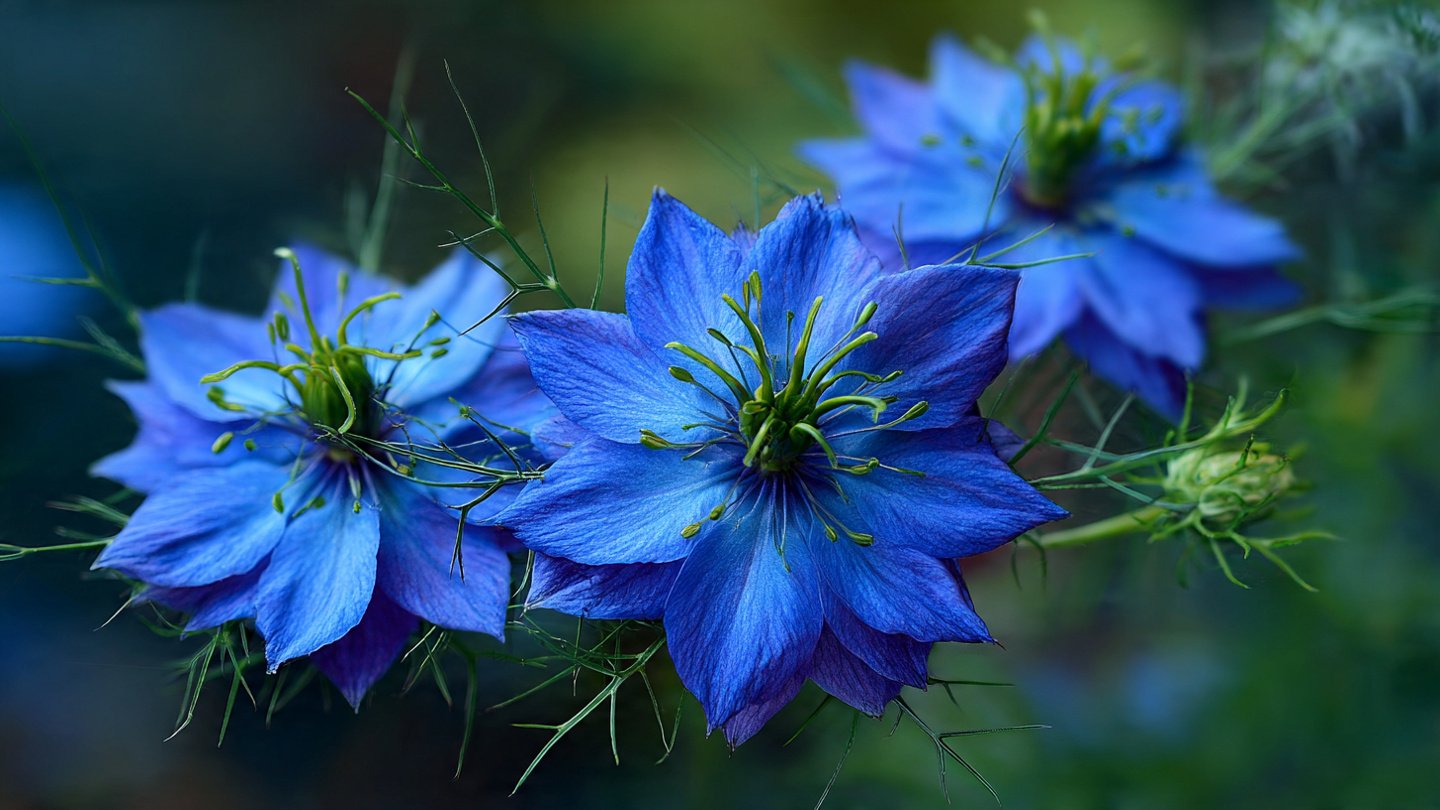
Nigella, commonly known as Love-in-a-Mist, is a charming annual flower that adds unique beauty to gardens and floral arrangements. With its feathery foliage and intricate blooms, Nigella is not only attractive but also relatively easy to grow. This article will guide you through the essential aspects of cultivating this delightful flower, ensuring that your garden flourishes with its delicate presence.
Understanding Nigella
Botanical Profile
Latest Posts
- Easy Steps to Successfully Grow Bhindi in Grow Bags at Home
- Easy Steps to Grow a Healthy Guava Bonsai at Home for Beginners
- How to Successfully Grow and Cultivate White Strawberry Plants at Home for Delicious and Unique Fruits
- Ultimate Guide to Successfully Growing Weeping Fig Outdoors with Proven Techniques and Expert Tips
- How to Successfully Grow Flemish Beauty Pear Trees in Canada for Optimal Harvest
- Easy Hack to Grow Strawberries Year Round in Your Home Garden for Delicious Harvests
- Growing Flemish Beauty Pears in Canada A Complete Guide for Local Gardens
- The Ultimate Guide to Growing Hibiscus Plants Year Round for Vibrant Blooms and Healthy Foliage
- Easy Ways to Boost the Growth Rate of Your Indoor Peace Lily for Lush Green Foliage
- How to Successfully Grow Oak Leaf Lettuce in Your Home Garden for Fresh and Flavorful Salads
Nigella sativa is the most recognized species of Nigella. The plant is native to the Mediterranean region and is known for its striking blue, white, or pink flowers nestled within lacy foliage. The seed pods, which resemble delicate balloons, are an added aesthetic feature, making Nigella a favorite among gardeners and floral designers.
Growth Characteristics
- Height: Typically ranges from 12 to 24 inches.
- Spread: Can spread about 12 inches wide.
- Bloom Time: Blooms from late spring to early summer.
- Color Variations: Available in shades of blue, white, pink, and purple.
Benefits of Growing Nigella
- Aesthetic Appeal: The unique blooms and feathery foliage create a visually stunning display in any garden.
- Culinary Uses: Nigella seeds, commonly known as black cumin, are used as a spice in various cuisines, known for their nutty flavor.
- Wildlife Attraction: Nigella flowers attract pollinators, including bees and butterflies, enhancing biodiversity in your garden.
- Easy Maintenance: Once established, Nigella is low maintenance and drought-tolerant.
Growing Conditions for Nigella
Climate
Nigella thrives in temperate climates. It prefers cooler temperatures and can tolerate light frost, making it ideal for late spring or early fall planting in many regions.
Soil Requirements
Nigella prefers:
- Well-drained Soil: Poorly drained soil can lead to root rot. Sandy or loamy soils are ideal.
- Slightly Acidic to Neutral pH: Aim for a soil pH between 6.0 and 7.0.
Light Requirements
Provide at least 6 hours of full sunlight daily. While Nigella can tolerate partial shade, blooming may be reduced in low-light conditions.
Planting Nigella
When to Plant
- Spring Planting: Sow seeds directly in the garden bed after the last frost, generally between April and May.
- Fall Planting: In mild climates, Nigella can also be sown in the fall for an early bloom the following spring.
How to Plant
- Prepare the Soil: Loosen the soil to a depth of at least 12 inches and mix in organic compost to enhance fertility.
- Sowing Seeds: Scatter the seeds on the soil surface and lightly press them into the soil. Do not bury them, as they need light to germinate.
- Watering: Water gently to settle the soil around the seeds. Keep the soil moist but not waterlogged during germination.
- Spacing: If sowing multiple plants, space them about 10-12 inches apart to allow for good air circulation.
Caring for Nigella
Watering
Nigella is drought-tolerant once established, but regular watering is essential during the initial growth phase. Water the plants gently to avoid displacing the soil or damaging young roots. Aim for the top inch of soil to remain moist, especially in warmer weather.
Fertilizing
- Initial Fertilization: Incorporate a balanced fertilizer during planting to provide essential nutrients.
- Ongoing Care: Use a diluted liquid fertilizer every four to six weeks if your soil is poor.
Pruning
Nigella generally requires little pruning. However, removing spent flowers encourages more blooms and prevents the plants from going to seed too early.

Pest and Disease Management
While Nigella is relatively pest-resistant, keep an eye out for typical garden pests such as aphids and slugs. Implement the following measures:
- Aphids: Spray with insecticidal soap or introduce beneficial insects like ladybugs.
- Slugs: Use barriers or traps to keep slugs at bay.
Harvesting Nigella Seeds
Once the flowers have faded, the seed pods will form. Harvesting seeds can be done once the pods turn brown and dry. Here’s how:
- Wait for Drying: Allow the seed pods to dry on the plant.
- Harvesting: Gently cut the pods and place them in a paper bag to collect falling seeds.
- Storage: Store the seeds in a cool, dry place for future planting or culinary use.
Displaying Nigella in Your Garden
Garden Design Ideas
- Mixed Borders: Pair Nigella with other annuals such as cosmos or zinnias for a vibrant summer garden.
- Cottage Gardens: The delicate nature of Nigella fits beautifully in a whimsical cottage garden design alongside perennials and herbs.
- Cut Flower Arrangements: Use Nigella in bouquets for their unique shapes and colors, enhancing floral designs with a touch of elegance.

Companion Planting
Nigella pairs well with several other plants, including:
- Honeybee Attractants: Planting alongside other flowers like lavender and sunflowers can enhance the attraction of beneficial pollinators.
- Vegetables: Its presence may deter some pests from vegetables such as tomatoes and peppers.
Troubleshooting Common Issues
Poor Germination
If your Nigella seeds fail to germinate:
- Check Soil Light: Ensure seeds are not buried too deep.
- Evaluate Moisture: Maintain consistent moisture without overwatering.
Wilting Leaves
Wilting can indicate either underwatering or overwatering. Check the soil’s moisture level:
- Underwatered Plants: Increase watering frequency.
- Overwatered Plants: Allow soil to dry out and improve drainage.
Pest Infestation
Promptly address any pest issues by:
- Identifying the specific pest.
- Applying appropriate control measures like organic sprays or insecticidal soap.
Conclusion
Growing Nigella in your garden can be a delightful and rewarding experience. Not only does it enhance your landscape with its dainty blooms, but it also provides culinary benefits with its seeds. By understanding the plant’s needs and implementing proper care, you can nurture these delicate flowers to create a stunning visual impact in your garden.
With the right planting techniques, attention to care, and a bit of patience, your Nigella will thrive, offering beauty for years to come. Whether used in a cutting garden, a mixed border, or simply as a standalone feature, Nigella is sure to enchant all who behold its ethereal charm. Start your Nigella journey today and enjoy the rewards of nurturing these lovely blooms!