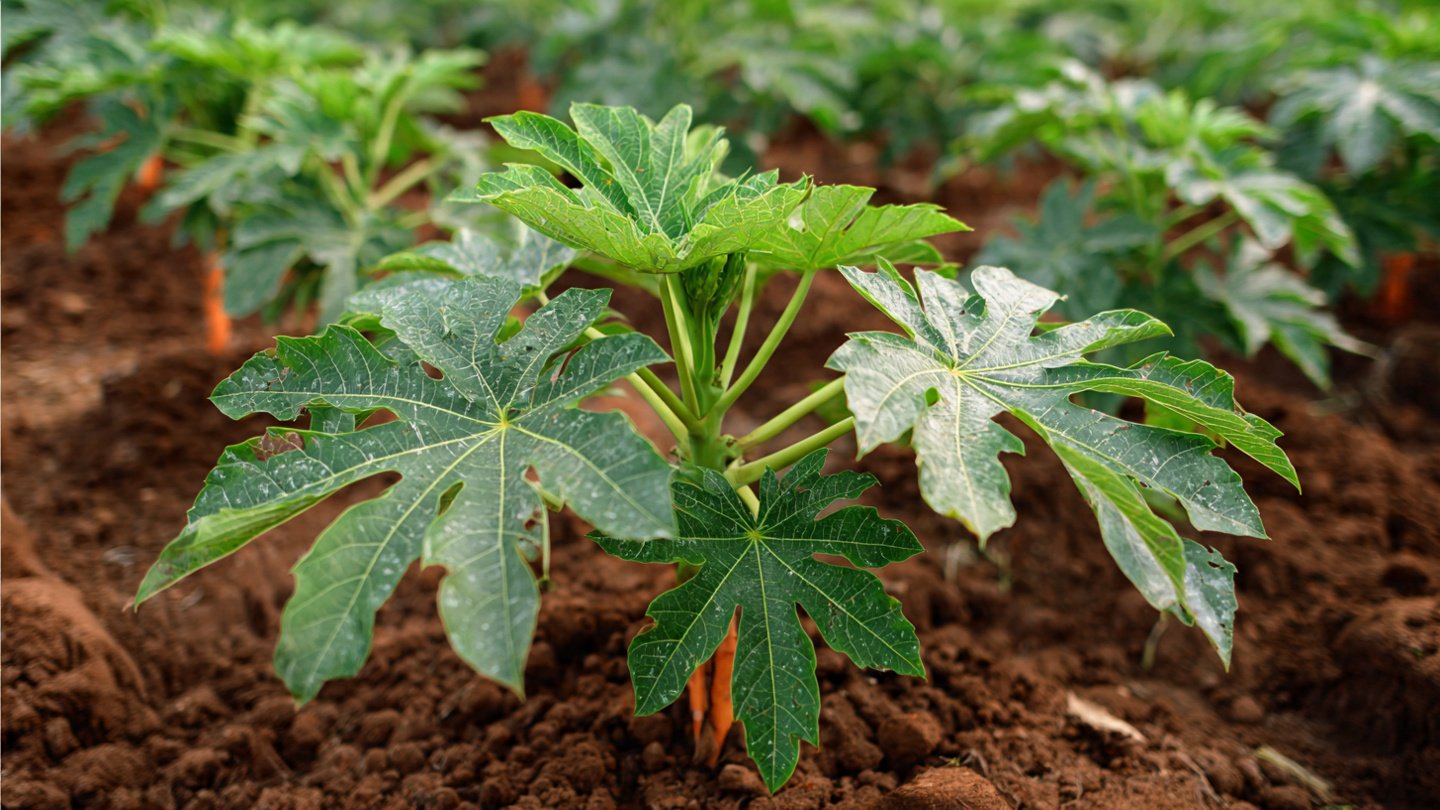
Growing papayas can be immensely rewarding, thanks to their delicious fruit and tropical appeal. However, the success of your papaya plants heavily relies on the quality of the soil they’re grown in. In this comprehensive guide, we’ll explore the essential ingredients for the perfect soil mix, the necessary steps for preparing your planting area, and tips for maintaining soil health.
Understanding Papaya Plants
Biological Essentials
Latest Posts
- Easy Steps to Successfully Grow Bhindi in Grow Bags at Home
- Easy Steps to Grow a Healthy Guava Bonsai at Home for Beginners
- How to Successfully Grow and Cultivate White Strawberry Plants at Home for Delicious and Unique Fruits
- Ultimate Guide to Successfully Growing Weeping Fig Outdoors with Proven Techniques and Expert Tips
- How to Successfully Grow Flemish Beauty Pear Trees in Canada for Optimal Harvest
- Easy Hack to Grow Strawberries Year Round in Your Home Garden for Delicious Harvests
- Growing Flemish Beauty Pears in Canada A Complete Guide for Local Gardens
- The Ultimate Guide to Growing Hibiscus Plants Year Round for Vibrant Blooms and Healthy Foliage
- Easy Ways to Boost the Growth Rate of Your Indoor Peace Lily for Lush Green Foliage
- How to Successfully Grow Oak Leaf Lettuce in Your Home Garden for Fresh and Flavorful Salads
Papayas (Carica papaya) are tropical plants native to Central America but are now cultivated in many warm regions around the world. They thrive in USDA zones 9-11, where temperatures remain consistently warm. Understanding the biological needs of papayas can help you formulate a suitable soil mix.
Nutritional Requirements
The papaya plant has specific nutritional needs, including:
- Nitrogen (N): Important for leaf growth.
- Phosphorus (P): Essential for root development and flowering.
- Potassium (K): Aids in fruit development.
- Calcium (Ca): Helps prevent diseases and supports fruit quality.
Essential Soil Characteristics
Before diving into the ingredients for your papaya soil mix, it’s essential to understand the characteristics of the ideal soil:
- Drainage: Papayas prefer well-draining soil. Waterlogged conditions can lead to root rot.
- Aeration: The soil should allow for sufficient air circulation, enabling robust root development.
- pH Levels: Papayas thrive in slightly acidic to neutral soil, ideally with a pH of 6.0 to 7.0.
- Organic Matter: A rich organic content is vital for retaining moisture and supplying nutrients.
The Perfect Soil Mix: Ingredients
Creating the ideal soil mix for papayas requires a combination of various materials. Below are the primary ingredients you should consider:
1. Base Soil
Using a high-quality base soil is critical. You can choose:
- Topsoil: Rich in nutrients but check for contaminants.
- Garden Soil: A mixture of topsoil with organic materials often sold in bags.
Aim for about 50% of your soil mix.
2. Organic Matter
Organic materials improve soil structure, increase nutrient availability, and boost water retention. Consider adding:
- Compost: A nutrient-rich amendment that improves soil fertility.
- Well-rotted manure: Adds essential nutrients and helps with aeration.

Use around 20%-30% organic matter in your mix.
3. Aeration Materials
To promote drainage and aeration, include:
- Perlite or Vermiculite: Added to improve porosity and prevent soil compaction.
- Coconut Coir: A sustainable option that retains moisture while providing good drainage.
Around 10%-20% of your mix should consist of aeration materials.
4. Peat Moss
Peat moss is excellent for moisture retention and improving soil acidity. Though it may be contentious concerning environmental concerns, if chosen sustainably, it can be useful. Utilize approximately 10% of your soil mix.
5. Sand
Incorporating coarse sand enhances drainage. Ensure you use clean, sharp sand (such as builder’s sand) rather than beach sand, which can contain salt. About 10% sand will help achieve the desired texture.
6. Nutrient Additives
To ensure your papayas have access to necessary nutrients, consider including:
- Bone Meal: Provides phosphorus for root and bloom development.
- Kelp Meal: Contains trace minerals and boosts overall plant health.
- Agricultural Lime: If your soil is too acidic, this can help bring the pH to an appropriate level.

Step-by-Step Guide to Creating Your Soil Mix
Step 1: Gather Your Materials
Collect all of the necessary ingredients as listed above, ensuring you have high-quality components.
Step 2: Prepare Your Workspace
Select an outdoor area or a spacious location where you can mix your soil without disturbance.
Step 3: Mix Your Base Ingredients
- Begin with your base soil (50%).
- Add your chosen organic matter (20%-30%).
- Introduce 10%-20% of your aeration materials.
Step 4: Incorporate Moisture Retainers
Add approximately 10% peat moss and 10% sand to the mixture for optimal moisture management and drainage.
Step 5: Fertilize
Mix in your nutrient additives evenly throughout the soil.

Step 6: Test Your Soil pH
Using a simple pH testing kit, check the pH level of your mixture. Adjust if necessary by adding agricultural lime or sulfur, depending on whether you need to raise or lower the pH.
Step 7: Moisture Check
Before using the soil mix, dampen it slightly. It should hold together when squeezed but not be soggy.
Preparing Your Planting Area
Once you’ve created your soil mix, it’s time to prepare your planting area.
Choosing the Right Location
Select a sunny and warm area, ideally with a slight slope for drainage. Ensure there’s enough space for the papaya trees to grow 6-10 feet apart, depending on the variety.
Soil Preparation
- Clear Debris: Remove any weeds, rocks, and old plant material.
- Tilling: Loosen the top 12-18 inches of soil where you will plant your papayas.
- Incorporate Your Mix: Add a layer of your prepared soil mix and blend it with the existing soil.
Maintenance: Keeping Your Soil Healthy
Regular Testing

Monitor the pH and nutrient levels of your soil regularly. A soil testing kit or professional service can provide insight on what to amend.
Mulching
Applying organic mulch (like straw or wood chips) helps in retaining moisture, suppressing weeds, and eventually breaking down to enrich the soil.
Watering Practices
Papayas need consistent moisture, especially during dry periods. However, be careful not to overwater, as this can lead to root rot. Ideal moisture is damp but not soggy.
Fertilization Schedule
About every 6-8 weeks during the growing season, use a balanced organic fertilizer to keep your nutrients replenished.
Common Soil Issues and Solutions
- Poor Drainage: Add more perlite or compost to improve soil structure.
- Nutrient Deficiency: If leaves turn yellow or fruits are underdeveloped, you may need to supplement with fertilizer.
- Acidity Levels: Address this by adjusting with lime or sulfur as necessary based on soil tests.
Conclusion
By following this comprehensive guide to creating the perfect soil mix for growing papayas, you’ll set a strong foundation for healthy growth and abundant fruit production. Understanding the specific needs of the papaya plant and carefully crafting your soil mix will make a world of difference in your gardening success. Always remember to remain attentive to the needs of your plants and adapt your care as they grow. Happy gardening!