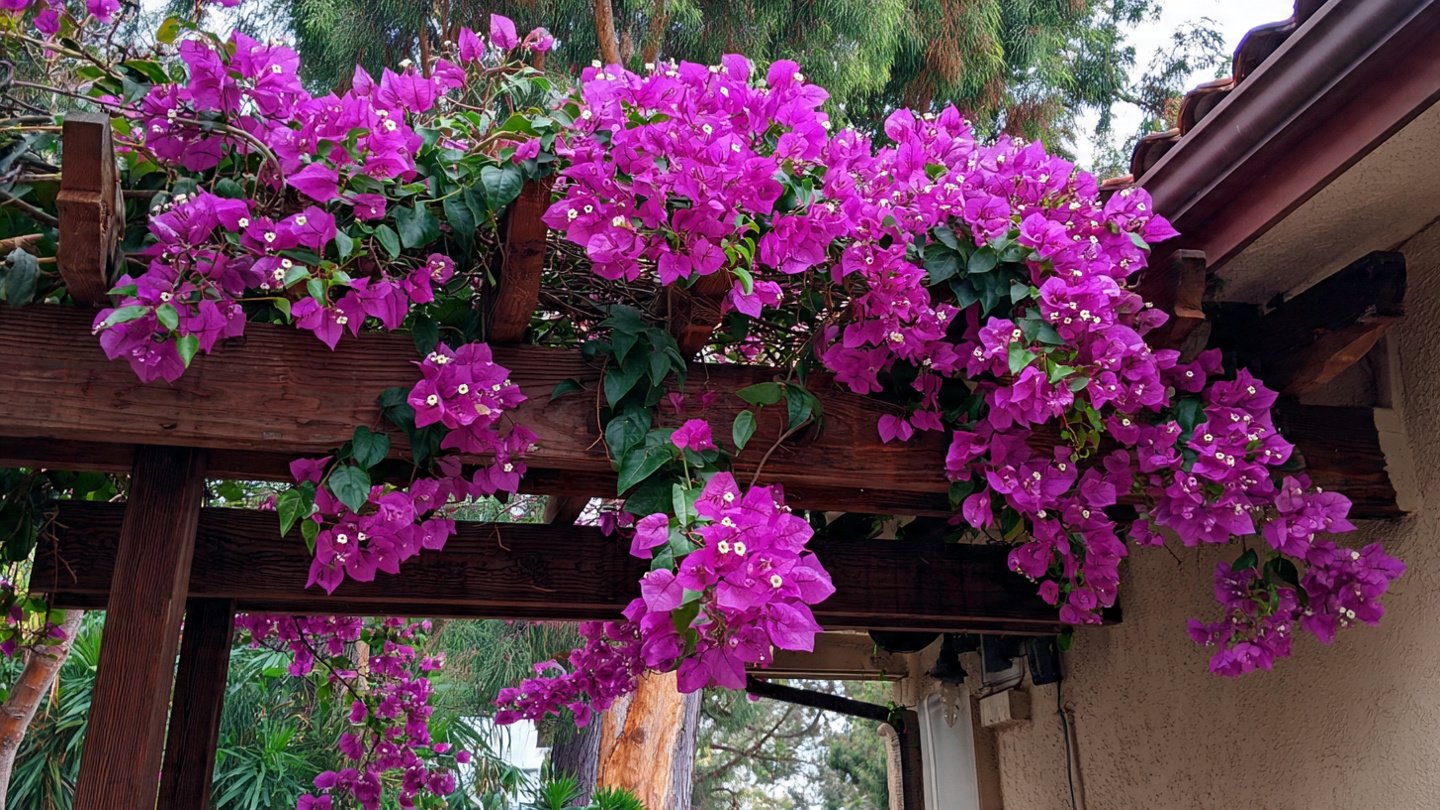
Bougainvillea is a stunning flowering plant that can transform any outdoor space with its vibrant colors and lush foliage. When grown on a pergola, it creates a stunning visual effect, providing both beauty and shade. If you’re ready to elevate your garden or patio with this exquisite plant, here’s a comprehensive guide to growing bougainvillea on a pergola successfully.
Understanding Bougainvillea
Bougainvillea is a tropical vine native to South America, known for its papery, colorful bracts that come in shades of purple, pink, red, and white. It thrives in warm climates and is hardy in USDA zones 9-11. Bougainvillea prefers full sun, well-draining soil, and is drought-tolerant once established.
Latest Posts
- Easy Steps to Successfully Grow Bhindi in Grow Bags at Home
- Easy Steps to Grow a Healthy Guava Bonsai at Home for Beginners
- How to Successfully Grow and Cultivate White Strawberry Plants at Home for Delicious and Unique Fruits
- Ultimate Guide to Successfully Growing Weeping Fig Outdoors with Proven Techniques and Expert Tips
- How to Successfully Grow Flemish Beauty Pear Trees in Canada for Optimal Harvest
- Easy Hack to Grow Strawberries Year Round in Your Home Garden for Delicious Harvests
- Growing Flemish Beauty Pears in Canada A Complete Guide for Local Gardens
- The Ultimate Guide to Growing Hibiscus Plants Year Round for Vibrant Blooms and Healthy Foliage
- Easy Ways to Boost the Growth Rate of Your Indoor Peace Lily for Lush Green Foliage
- How to Successfully Grow Oak Leaf Lettuce in Your Home Garden for Fresh and Flavorful Salads
Preparing the Pergola
Selecting the Right Pergola
Before planting, it’s essential to have the right structure in place. A pergola should be sturdy enough to support the weight of the bougainvillea as it grows. Here are a few key features to consider:
-
Material: Wood, metal, and vinyl are common choices. Wood provides a natural look, while metal offers durability and resistance to the elements.
-
Design: Ensure the pergola has ample crossbeams and overhead latticework. This will provide the bougainvillea with the support it needs to climb and spread.
-
Size: Consider the size of your bougainvillea variety. Larger varieties may need more space, so plan accordingly.
Location and Orientation
The placement of your pergola is crucial. Opt for a location that receives full sunlight for at least six hours a day, as bougainvillea thrives in bright conditions. The pergola should also be positioned away from strong winds to prevent damage to the plant.
Choosing the Right Bougainvillea Variety
Bougainvillea comes in several varieties, each with unique characteristics. Here are some popular choices:
-
Bougainvillea glabra: This variety has small leaves and vibrant flowers, making it a great choice for climbing.
-
Bougainvillea spectabilis: Larger leaves and bracts characterize this variant, producing showier blooms.
-
Bougainvillea peruviana: Known for its adaptability, this variety can thrive in various conditions.
-
Bougainvillea ‘Barbara Karst’: This cultivar offers bright red bracts and is quite hardy.
Consider your local climate and desired aesthetics when selecting the right variety for your pergola.
Soil Preparation
Choosing the Right Soil
Bougainvillea prefers well-draining soil with a pH between 5.5 to 7.0. You can mix standard potting soil with sand or perlite to improve drainage. Here’s how to prepare the soil:
-
Test the Soil: Perform a soil test to determine the pH and nutrient levels. This step will help you make necessary adjustments.
-
Amend the Soil: Based on the test results, consider adding organic matter, such as compost or aged manure, to enrich the soil.
-
Ensure Drainage: If planting directly into the ground, make sure the area drains well. If necessary, create mounds to promote drainage.
Planting Bougainvillea
Timing
The best time to plant bougainvillea is in the spring, after the last frost. This gives the plant ample time to establish itself during the growing season.
Planting Steps
-
Digging the Hole: Create a hole that is twice the size of the root ball. The depth should be shallow enough to avoid burying the crown of the plant.
-
Incorporating Fertilizer: Mix in a slow-release fertilizer to provide nutrients. Avoid high-nitrogen fertilizers, as they promote leafy growth at the expense of blooms.
-
Planting: Place the bougainvillea in the center of the hole. Backfill with the amended soil, ensuring no air pockets remain.
-
Watering: Give the plant a deep soak immediately after planting. This helps settle the soil around the roots.
-
Mulching: Apply a layer of mulch around the base to retain moisture and suppress weeds.
Training Bougainvillea to Climb the Pergola
Guidance and Support
Bougainvillea vines require training to climb effectively. Here’s how to guide your bougainvillea up a pergola:
-
Initial Support: Use soft ties or garden twine to attach the young shoots to the pergola’s structure.
-
Selective Pruning: Prune back unwanted growth regularly to promote upward growth. Focus on directing longer stems toward the top of the pergola.
-
Encouraging Growth: Bougainvillea tends to root where the nodes touch the soil. Ensure that lateral branches are pinned down if you want them to grow towards the structure.
-
Rotate Ties: As the plant grows, periodically adjust the ties to accommodate its expanding size.
Maintaining Shape and Size
Regular pruning is essential to maintain the shape and size of your bougainvillea. Remove dead or damaged branches and thin out overcrowded areas to ensure good air circulation.
Watering and Fertilization
Watering Needs
Bougainvillea is drought-tolerant; however, it needs adequate water during its establishment phase. Follow these tips:
- Initial Watering: Water deeply once a week for the first few months after planting.
- Once Established: Reduce watering frequency. Usually, watering every two to three weeks is sufficient.
- Signs of Stress: Wilting or yellowing leaves indicate either too much or too little water.
Fertilization Schedule
Bougainvillea benefits from regular feeding, especially during the growing season:
- Spring and Summer: Use a balanced, slow-release fertilizer every 6-8 weeks.
- Fall: Transition to a fertilizer higher in phosphorus to encourage blooming.
- Winter: Reduce feeding as the plant enters dormancy.
Pest and Disease Management
Bougainvillea can be susceptible to pests like aphids, mealybugs, and spider mites. Monitoring your plant regularly will catch potential infestations early.
Organic Controls
- Insecticidal Soap: Apply insecticidal soap for soft-bodied insects.
- Neem Oil: This natural treatment can address various pest problems.
- Companion Planting: Incorporate other plants around the bougainvillea that repel pests.
Disease Management
Watch for signs of fungal diseases, such as powdery mildew. Ensure good air circulation around the plant and avoid overhead watering to minimize these issues.
Winter Care
In colder climates, bougainvillea may require special attention during winter:
- Protection: Use frost cloths to cover the plant during sudden cold snaps.
- Indoor Transition: If you live in a region below USDA zone 9, consider moving potted bougainvillea indoors during winter.
Conclusion
Growing bougainvillea on a pergola can create a breathtaking outdoor space, providing vibrant colors, shade, and a perfect backdrop for gatherings. By selecting the right variety, preparing the pergola properly, and following a diligent care routine, you can cultivate this tropical beauty successfully. With time and attention, your bougainvillea will flourish, bringing joy and aesthetic appeal to your outdoor living area.
Enjoy the process, and remember that the key to a successful bougainvillea is patience and understanding its unique needs!