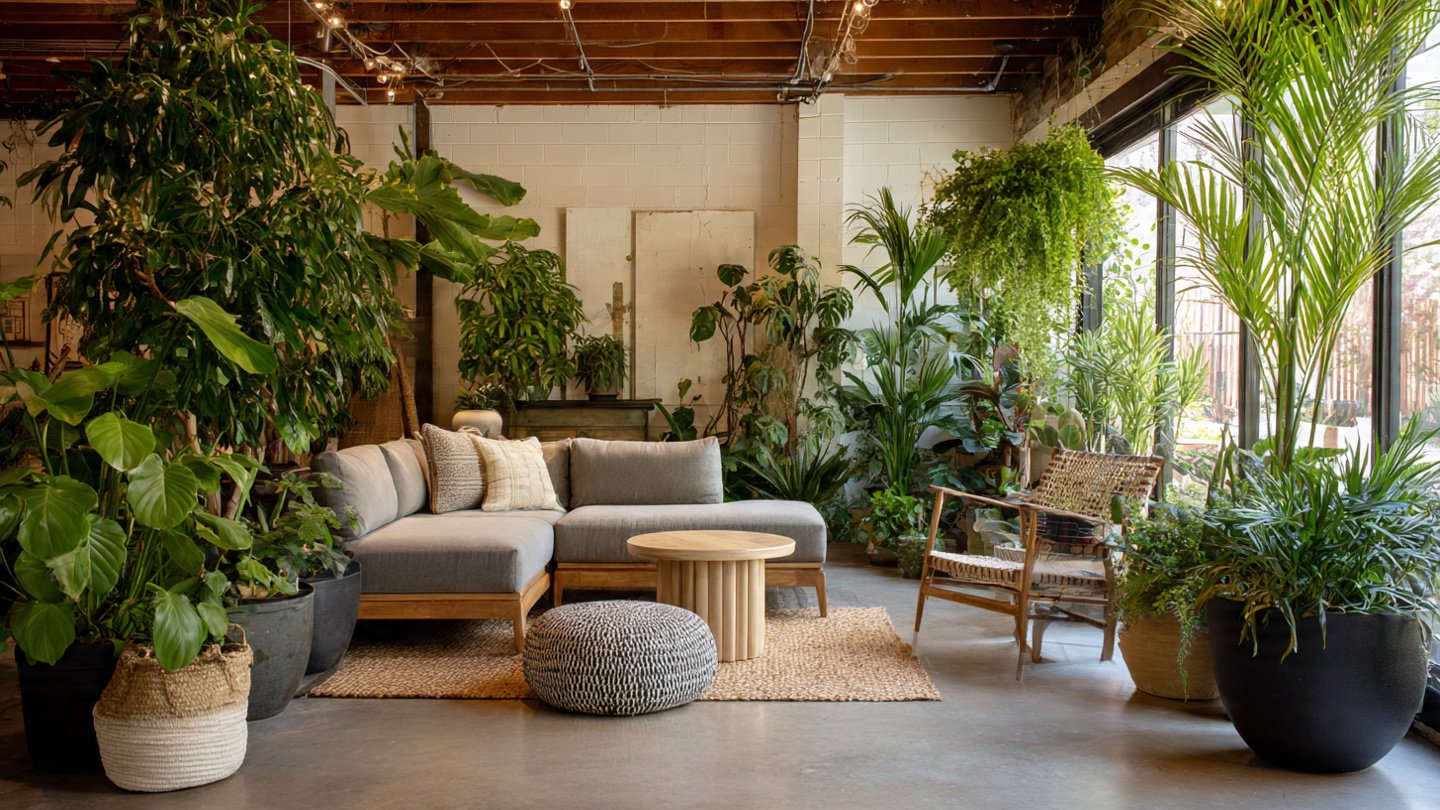
In a fast-paced world that often feels sterile and disconnected, creating an indoor oasis filled with greenery can be a rejuvenating retreat. Not only do indoor plants enhance aesthetics, but they also improve air quality and contribute to mental well-being. However, not everyone possesses a green thumb or the time to devote to high-maintenance flora. Fortunately, there are many low-maintenance plants that are perfect for beginners and busy individuals alike. This article will guide you through the process of establishing your own indoor garden oasis with hardy plants that thrive with minimal care.
The Benefits of Indoor Plants
Before diving into the specifics of low-maintenance plants, let’s explore the numerous advantages of having greenery in your home:
Latest Posts
- Easy Steps to Successfully Grow Bhindi in Grow Bags at Home
- Easy Steps to Grow a Healthy Guava Bonsai at Home for Beginners
- How to Successfully Grow and Cultivate White Strawberry Plants at Home for Delicious and Unique Fruits
- Ultimate Guide to Successfully Growing Weeping Fig Outdoors with Proven Techniques and Expert Tips
- How to Successfully Grow Flemish Beauty Pear Trees in Canada for Optimal Harvest
- Easy Hack to Grow Strawberries Year Round in Your Home Garden for Delicious Harvests
- Growing Flemish Beauty Pears in Canada A Complete Guide for Local Gardens
- The Ultimate Guide to Growing Hibiscus Plants Year Round for Vibrant Blooms and Healthy Foliage
- Easy Ways to Boost the Growth Rate of Your Indoor Peace Lily for Lush Green Foliage
- How to Successfully Grow Oak Leaf Lettuce in Your Home Garden for Fresh and Flavorful Salads
-
Air Quality Improvement: Studies show that indoor plants can reduce pollutants and cleanse the air. Plants like the Snake Plant and Peace Lily filter toxins, making your indoor environment healthier.
-
Stress Reduction: Research suggests that having plants in your living space can lower stress levels and increase feelings of calm and relaxation. Interacting with plants can also serve as a form of therapy.
-
Aesthetic Appeal: Plants create a vibrant and inviting atmosphere. They can serve as focal points in a room or complement existing decor.
-
Natural Humidifiers: Many plants release moisture into the air, which can help combat dryness and improve respiratory health, especially in winter months.
Choosing the Right Low-Maintenance Plants
When it comes to creating your lush indoor oasis, selecting suitable plants is crucial. Here are some of the best options known for their hardiness and low upkeep:
1. Snake Plant (Sansevieria trifasciata)

Also known as Mother-in-Law’s Tongue, the Snake Plant is virtually indestructible. It thrives on neglect and can survive in low light conditions. Its tall, stiff leaves add a sculptural element to any design.
- Light Requirements: Tolerates low to bright indirect light.
- Watering Needs: Allow the soil to dry completely between waterings. Generally, once every 2-6 weeks depending on light levels.
2. Pothos (Epipremnum aureum)
Pothos is celebrated for its trailing vines and heart-shaped leaves. It grows well in a variety of lighting conditions and can be easily propagated.
- Light Requirements: Thrives in low to bright indirect light.
- Watering Needs: Water when the top inch of soil feels dry.
3. ZZ Plant (Zamioculcas zamiifolia)
The ZZ Plant is another champion of low-light environments. Its glossy, dark green leaves are not only attractive but also drought-resistant.
- Light Requirements: Adaptable; prefers low to bright indirect light.
- Watering Needs: Water every 2-3 weeks, allowing for the soil to dry out between waterings.
4. Spider Plant (Chlorophytum comosum)
Spider Plants are both resilient and practical. They produce ‘babies’ that can be easily propagated to create new plants.
- Light Requirements: Prefers bright, indirect light but can tolerate low light.
- Watering Needs: Keep soil lightly moist, reducing watering frequency in winter.
5. Peace Lily (Spathiphyllum spp.)
Peace Lilies offer beautiful, elegant white blooms and are known for their air-purifying qualities. They are relatively easy to care for and can survive in low-light conditions.
- Light Requirements: Low to moderate indirect light.
- Watering Needs: Water when the soil is dry to the touch—don’t let it sit in water.
6. Cast Iron Plant (Aspidistra elatior)
True to its name, the Cast Iron Plant is nearly indestructible. It tolerates neglect, low light, and varying temperatures.
- Light Requirements: Prefers low to moderate light.
- Watering Needs: Water when the top inch of soil is dry.
Setting Up Your Indoor Oasis
With plant choices made, the next step is to create an environment conducive to growth. Here’s a step-by-step guide to setting up your indoor oasis:

1. Choose the Right Location
Consider areas with ample natural light for your plants. If natural light is limited, evaluate artificial lighting options such as LED grow lights to supplement.
2. Select Appropriate Containers
Opt for pots with drainage holes to prevent waterlogged soil. Decorative pots can act as a beautiful exterior while allowing for proper watering.
3. Use Quality Potting Soil
Invest in a good quality potting mix that suits your plant types. For instance, cactus potting mixes work well for succulents, whereas a standard mix is great for most houseplants.
4. Watering Protocol
Establish a watering schedule based on the specific needs of your plants. Utilize the “touch test”—stick a finger into the soil to determine moisture levels before watering.
5. Fertilizing
While low-maintenance plants require less frequent fertilization, a diluted all-purpose fertilizer every few months can keep them healthy and green.
6. Pruning and Cleaning
Regularly check your plants for dead or yellowing leaves and prune as necessary. Dust can accumulate on leaves, so a gentle wipe with a damp cloth can keep them clean, improving their ability to photosynthesize.
Design Ideas for Your Indoor Oasis

Now that your plants are in place, think about design elements that can enhance your indoor space:
1. Create Layers
Position plants at varying heights to create visual depth. Tall plants like the Snake Plant can be placed near the back, while smaller plants can fill in around the foreground.
2. Mix and Match
Experiment with different types and colors of foliage. Combining plants with various shapes and sizes can create an eye-catching arrangement.
3. Utilize Vertical Space
Consider wall-mounted planters or shelving units to maximize your indoor garden space. Hanging plants like Pothos can drape beautifully while freeing up floor space.
4. Incorporate Texture
Beret different textures in your indoor oasis with ceramic, metal, or woven containers. Play with shiny surfaces against matte finishes for a stunning contrast.
5. Consider Aroma
Filling your space with fragrant plants like herbs (basil, mint) or flowers (Jasmine) can create a sensory experience that enhances relaxation.
Maintenance Tips for a Stress-Free Indoor Garden
To keep your indoor oasis thriving with minimal stress, consider these maintenance tips:

1. Simplify Watering
Use self-watering pots or moisture meters to simplify watering routines—especially helpful for those who may forget to water regularly.
2. Routine Checks
Establish a routine to check your plants weekly for any signs of distress, such as pests or wilting leaves. Early detection can prevent more significant issues.
3. Seasonal Adjustments
As seasons change, so do your plants’ needs. Be mindful of adjusting watering habits and lighting exposure, particularly in different climates.
4. Integrate Technology
Smart plant monitors can track light, temperature, and soil moisture, sending alerts to your phone when your plants need attention.
5. Stay Patient
Plants take time to grow and establish themselves. Patience is key; don’t be discouraged by minor setbacks. Enjoy the journey of nurturing and watching them thrive.
Conclusion
Creating a lush indoor oasis with low-maintenance plants is a fulfilling endeavor. With the right knowledge, tools, and a bit of patience, you can cultivate a serene and beautiful atmosphere that enhances your living space and well-being. From improving air quality to reducing stress, the benefits of indoor gardening are manifold. By choosing the right plants and caring for them properly, you can create an inviting indoor haven that breathes life into your home—all while enjoying the tranquility and joy that comes from nurturing nature indoors. So roll up your sleeves, gather your supplies, and transform your living space into an enchanting green retreat!