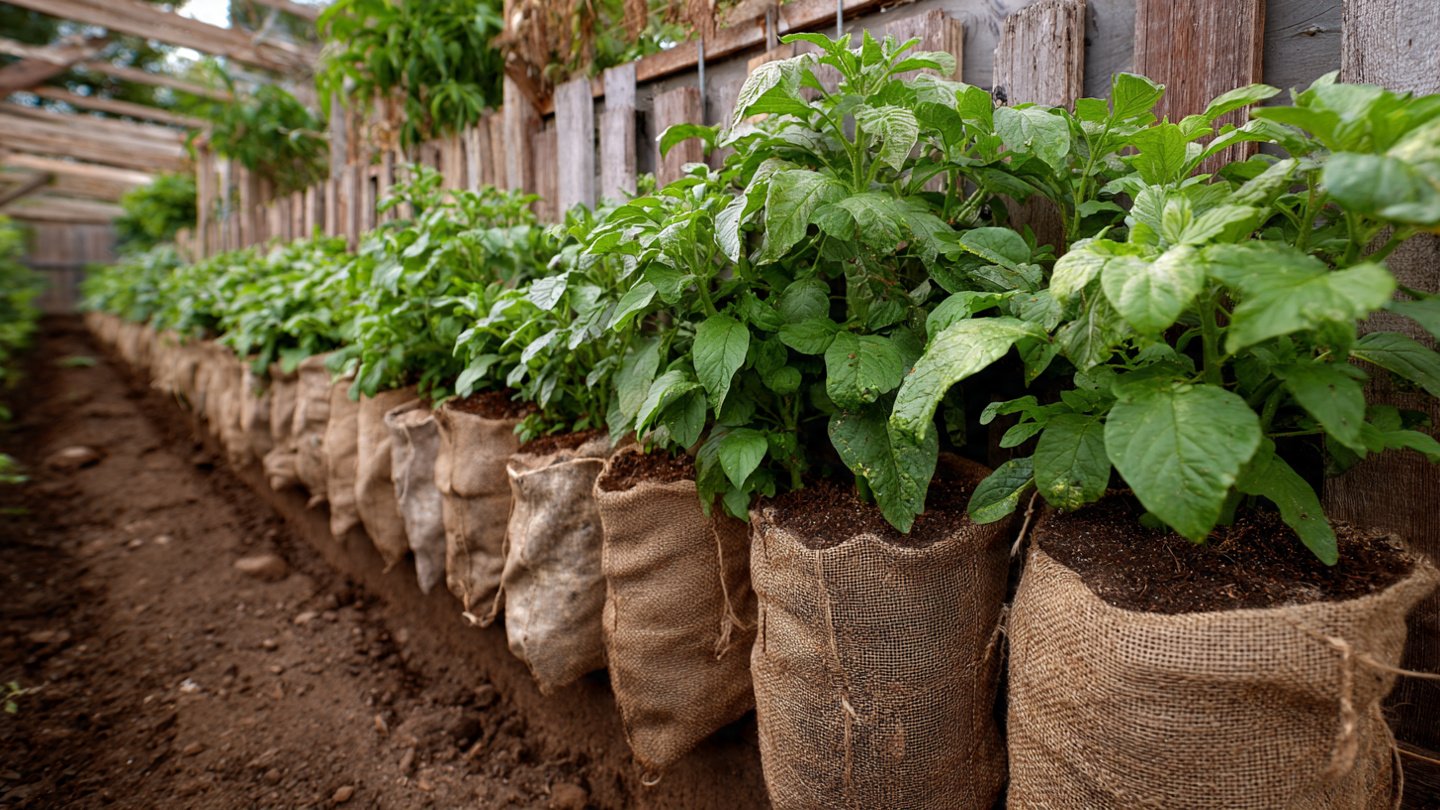
Growing potatoes in grow bags is an excellent way to cultivate this staple crop, especially for gardeners with limited space or poor soil conditions. Grow bags offer flexibility, improved soil drainage, and easier harvesting, making them an attractive option for both beginners and experienced gardeners. In this article, we will explore the step-by-step process of how to grow potatoes successfully in grow bags to ensure a bountiful harvest.
Why Grow Potatoes in Grow Bags?
Before diving into the growing process, it’s essential to understand the advantages of using grow bags for potatoes:
- Space Efficiency: Grow bags are perfect for small gardens, patios, balconies, or urban spaces where traditional row planting isn’t feasible.
- Improved Drainage: Grow bags typically have excellent drainage, preventing waterlogging and reducing the risk of rot.
- Soil Control: You can fill grow bags with high-quality soil or compost, creating the ideal environment for potatoes.
- Ease of Harvest: Harvesting potatoes in grow bags is simpler; you just tip the bag over, making the process less labor-intensive.
- Reusability: Grow bags can be reused year after year, making them a sustainable gardening option.
Selecting the Right Grow Bags
Choosing the right grow bag is the first crucial step in your potato-growing journey. When selecting grow bags, consider the following:
- Size: A 10 to 20-gallon bag is suitable for planting 2-3 seed potatoes. Larger bags allow for more plants.
- Material: Fabric grow bags are preferred because they provide excellent aeration and drainage.
- Durability: Ensure the grow bags are durable enough to withstand outdoor conditions throughout the growing season.
Choosing Seed Potatoes
Using certified seed potatoes is vital for successful cultivation. These are disease-free and specifically meant for planting.

- Variety: Select potato varieties suited to your climate and the growing season. Early, mid-season, and late varieties offer flexibility in harvest timing.
- Seed Quality: Choose firm, healthy seed potatoes without any signs of disease or damage.
Preparing Seed Potatoes for Planting
A process called “chitting” helps seed potatoes develop strong sprouts before planting.
Latest Posts
- Easy Steps to Successfully Grow Bhindi in Grow Bags at Home
- Easy Steps to Grow a Healthy Guava Bonsai at Home for Beginners
- How to Successfully Grow and Cultivate White Strawberry Plants at Home for Delicious and Unique Fruits
- Ultimate Guide to Successfully Growing Weeping Fig Outdoors with Proven Techniques and Expert Tips
- How to Successfully Grow Flemish Beauty Pear Trees in Canada for Optimal Harvest
- Easy Hack to Grow Strawberries Year Round in Your Home Garden for Delicious Harvests
- Growing Flemish Beauty Pears in Canada A Complete Guide for Local Gardens
- The Ultimate Guide to Growing Hibiscus Plants Year Round for Vibrant Blooms and Healthy Foliage
- Easy Ways to Boost the Growth Rate of Your Indoor Peace Lily for Lush Green Foliage
- How to Successfully Grow Oak Leaf Lettuce in Your Home Garden for Fresh and Flavorful Salads
- Chitting: Place your seed potatoes in a cool, well-lit space to encourage sprouting. This can take 2-4 weeks.
- Cutting: If your seed potatoes are large, you can cut them into pieces, ensuring each piece has at least one or two eyes (sprouts). Let the cut pieces dry for 1-2 days before planting to reduce the risk of rot.
Soil Preparation
The soil mixture in your grow bags should be light, well-draining, and rich in nutrients.

- Soil Mix: Use a mix of quality compost, peat moss or coconut coir, and garden soil or potting mix.
- pH: Potatoes prefer slightly acidic soil with a pH range of 5.0 to 6.5.
- Fertilization: Mix in a balanced, slow-release fertilizer or organic matter like well-rotted manure to provide nutrients throughout the growing season.
Planting Potatoes in Grow Bags
Follow these steps for planting potatoes in grow bags:
- Fill the Bag: Start by filling the grow bag with about 4-6 inches of your soil mix.
- Place Seed Potatoes: Lay the seed potatoes on the soil surface, eyes facing upward.
- Cover: Cover the seed potatoes with another 4 inches of soil.
- Water: Water the soil gently to settle it around the potatoes.
Growing and Caring for Potatoes in Grow Bags
Potatoes in grow bags require consistent care to ensure healthy growth and a good yield.

- Watering: Keep the soil consistently moist but not waterlogged to prevent rot. Grow bags drain well, so regular watering is crucial, especially in warm weather.
- Sunlight: Potatoes need at least 6 hours of direct sunlight daily.
- Hilling: As potato plants grow, add more soil or compost around the stems to encourage tuber formation and prevent green potatoes from developing. Fill the grow bag gradually, leaving the top few inches free for airflow.
- Fertilizing: Supplement with a balanced fertilizer every few weeks or use organic liquid feeds like seaweed or fish emulsion.
- Pest and Disease Control: Monitor for common pests like aphids, potato beetles, and diseases such as blight. Use organic or chemical controls as needed, and practice crop rotation if possible.
Harvesting Potatoes from Grow Bags
Harvesting potatoes in grow bags is easy and rewarding:
- Timing: Harvest early varieties after 10-12 weeks and maincrop varieties after 18-20 weeks once the foliage starts to yellow and die back.
- Method: Simply empty the grow bag onto a tarp or ground and sift through the soil to gather your potatoes, shaking off excess dirt.
- Curing: Cure your harvested potatoes in a cool, dark, and well-ventilated place for about 1-2 weeks to toughen their skins for longer storage.
Tips for a Bountiful Potato Harvest
- Choose the Right Variety: Select varieties known for good yields and disease resistance.
- Rotate Crops: Avoid planting potatoes in the same spot every year to reduce disease risk.
- Consistent Moisture: Don’t let the soil dry out completely between watering, but avoid over-watering.
- Mulch: You can mulch the grow bags to retain moisture and protect from temperature fluctuations.
- Watch for Pests: Early detection and control of pests will protect your crop.
Troubleshooting Common Issues
- Yellowing Leaves: Could indicate nutrient deficiency or overwatering.
- Powdery Mildew or Blight: Remove affected foliage and treat with appropriate fungicides.
- Small Tubers: Often a result of poor soil nutrition or insufficient watering.
- No Tubers: Usually caused by planting seed potatoes too deep or insufficient hilling.
Conclusion
Growing potatoes in grow bags is a practical and highly effective method suitable for gardeners with limited space or less-than-ideal garden soil. By choosing quality seed potatoes, preparing nutrient-rich soil, following proper watering and care routines, and being vigilant about pests and diseases, you can enjoy a bountiful harvest of fresh potatoes. Not only does this method save space and simplify the harvesting process, but it also provides a rewarding gardening experience that anyone can enjoy.

With these detailed steps and tips, you are now equipped to grow potatoes successfully in grow bags and enjoy the fruits—or rather, tubers—of your labor. Happy planting!