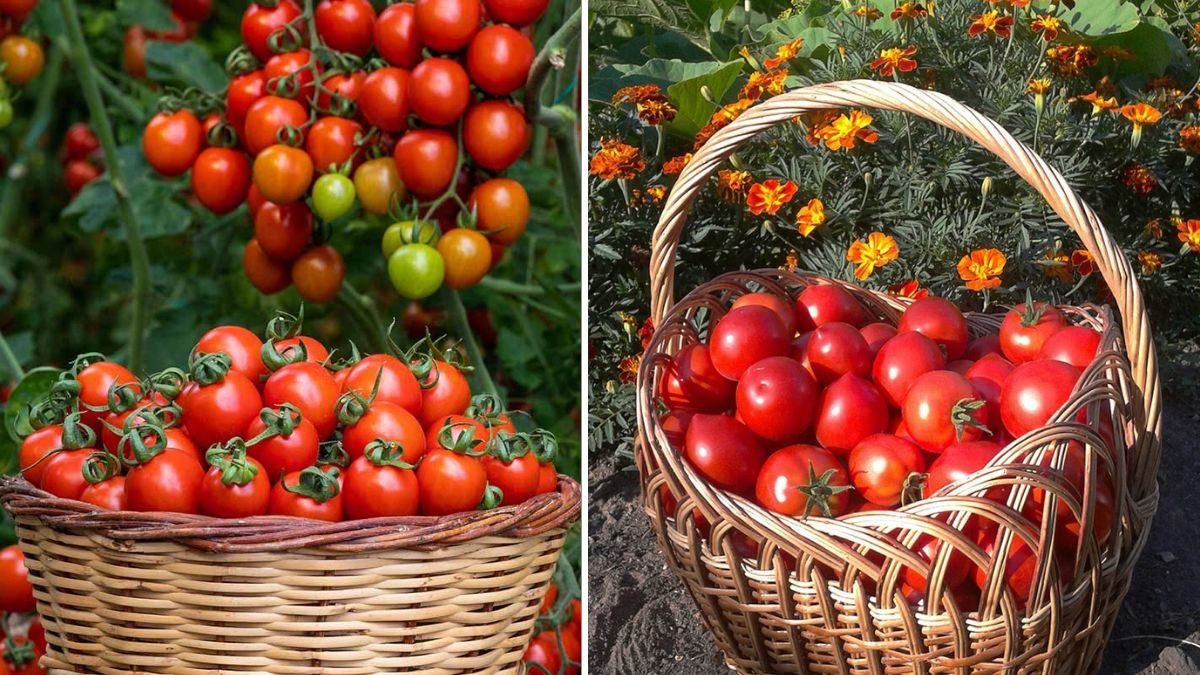
Growing tomatoes does not always require a large garden or open land. I discovered that a single well-prepared container can produce an incredible amount of juicy tomatoes. By focusing on soil quality, sunlight, and consistent care, even small spaces can become highly productive. Container gardening gives complete control over growing conditions. This method reduces disease risks and maximizes fruit quality. With the right technique, one container can outperform several ground plants. This article explains exactly how I achieved a heavy tomato harvest using just one container.
Why Container Gardening Works So Well for Tomatoes
Tomatoes adapt exceptionally well to containers. Their roots thrive when soil structure and nutrients are carefully managed. Containers prevent soil compaction and waterlogging. They also allow gardeners to move plants based on weather and sunlight. Pests are easier to manage in containers. Controlled feeding ensures steady growth. This method is ideal for balconies, terraces, and small backyards.
Choosing the Perfect Tomato Variety
Selecting the right tomato variety is crucial. Compact and high-yield varieties perform best in single containers. Cherry and determinate tomatoes are excellent choices. Disease-resistant varieties reduce maintenance. Fast-maturing tomatoes ensure quick rewards. The right variety maximizes yield within limited space.
Best Tomato Varieties for Single Containers
| Variety Type | Growth Habit | Yield Potential |
|---|---|---|
| Cherry tomatoes | Compact | Very high |
| Determinate tomatoes | Bushy | High |
| Dwarf tomatoes | Short | High |
Selecting the Ideal Container Size
Container size directly affects tomato productivity. A container with at least twenty to thirty liters capacity is ideal. Larger containers hold moisture longer. Deep containers support stronger root systems. Plastic containers retain moisture well, while fabric containers improve airflow. Bigger containers usually mean healthier plants and more fruit.
Latest Posts
- Easy Steps to Successfully Grow Bhindi in Grow Bags at Home
- Easy Steps to Grow a Healthy Guava Bonsai at Home for Beginners
- How to Successfully Grow and Cultivate White Strawberry Plants at Home for Delicious and Unique Fruits
- Ultimate Guide to Successfully Growing Weeping Fig Outdoors with Proven Techniques and Expert Tips
- How to Successfully Grow Flemish Beauty Pear Trees in Canada for Optimal Harvest
- Easy Hack to Grow Strawberries Year Round in Your Home Garden for Delicious Harvests
- Growing Flemish Beauty Pears in Canada A Complete Guide for Local Gardens
- The Ultimate Guide to Growing Hibiscus Plants Year Round for Vibrant Blooms and Healthy Foliage
- Easy Ways to Boost the Growth Rate of Your Indoor Peace Lily for Lush Green Foliage
- How to Successfully Grow Oak Leaf Lettuce in Your Home Garden for Fresh and Flavorful Salads
Importance of Proper Drainage
Good drainage prevents root rot and nutrient loss. Multiple drainage holes are essential. A base layer of gravel or broken clay pieces improves water flow. Proper drainage ensures oxygen reaches roots. Healthy roots lead to better flowering and fruiting.
Preparing the Ultimate Soil Mix
Tomatoes require loose, fertile, and well-draining soil. Compost provides essential nutrients. Coco peat improves moisture retention. Sand prevents compaction.
Recommended Soil Mix for Maximum Yield
| Ingredient | Function |
|---|---|
| Garden soil | Structural base |
| Compost | Nutrient supply |
| Coco peat | Moisture retention |
| Sand | Drainage improvement |
Planting the Tomato Seedling Correctly
Planting depth plays a key role in tomato growth. Tomatoes develop roots along buried stems. Plant seedlings deep, leaving only top leaves exposed. Firm soil gently around the stem. Water thoroughly after planting. Proper planting encourages a strong root system.
Sunlight Requirements for Heavy Fruiting
Tomatoes require six to eight hours of direct sunlight daily. Morning sunlight is ideal for strong growth. Insufficient sunlight results in fewer flowers. Rotating containers ensures even light exposure. Adequate sunlight improves sweetness and color.
Watering Strategy That Boosts Yield
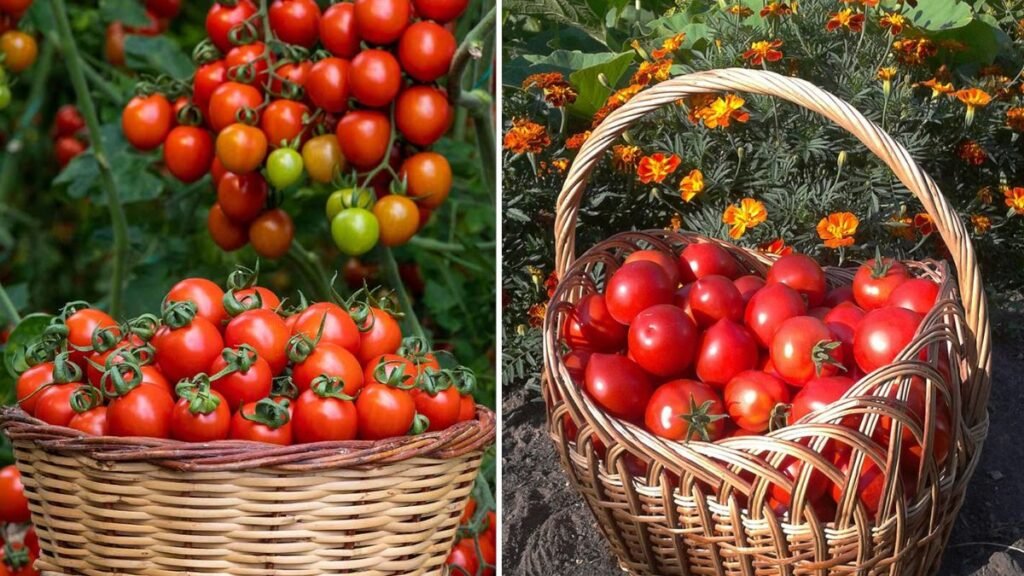
Consistent watering is essential for juicy tomatoes. Water deeply when the topsoil feels dry. Avoid frequent shallow watering. Mulching helps retain moisture. Proper watering prevents cracking and blossom-end rot.
Feeding Tomatoes for Continuous Production
Tomatoes are heavy feeders. Regular feeding supports flowering and fruiting. Organic liquid fertilizers work best.
Tomato Feeding Schedule
| Growth Stage | Nutrient Focus |
|---|---|
| Early growth | Nitrogen |
| Flowering | Balanced nutrients |
| Fruiting | Potassium |
Supporting Tomato Plants Properly
Even container tomatoes need support. Stakes or cages prevent stem breakage. Proper support improves airflow. Fruits remain clean and healthy. Strong support allows plants to focus energy on production.
Pruning for Better Yield
Removing excess side shoots directs energy toward fruit production. Pruning improves airflow and light penetration. Avoid over-pruning. Balanced pruning results in healthier plants and higher yield.

Managing Pests Naturally
Common pests include aphids and whiteflies. Neem oil effectively controls them. Regular inspection prevents infestations. Container plants are easier to protect.
Preventing Common Tomato Diseases
Avoid overhead watering. Ensure good airflow. Remove diseased leaves promptly. Healthy soil and spacing reduce disease risk significantly.
Flowering and Pollination Tips
Healthy plants produce many flowers. Gentle shaking aids pollination. Balanced nutrients prevent flower drop. Successful pollination increases fruit set.
Improving Fruit Size and Flavor
Adequate potassium enhances flavor. Consistent watering prevents bitterness. Harvesting ripe fruits improves taste. Healthy plants produce juicy tomatoes.
Harvesting Tomatoes at the Right Time
Harvest tomatoes when fully colored. Use clean tools to avoid damage. Regular harvesting encourages more fruiting. Fresh tomatoes taste best immediately.

Post-Harvest Container Care
Remove old plants after the season. Refresh soil with compost. Clean containers before reuse. Proper care prepares containers for the next crop.
Yield Results from One Container
A single container can produce several kilograms of tomatoes. Yield depends on care and variety. With proper management, container yields rival garden beds.
Environmental Benefits of Container Tomatoes
Container gardening saves water and space. It reduces chemical use. Reusing containers supports sustainability. Home-grown tomatoes reduce food miles.
Conclusion
Growing a ton of juicy tomatoes in one container is completely achievable. With proper soil, sunlight, feeding, and care, even small spaces can produce impressive harvests. This method is perfect for urban gardeners seeking big results from minimal space.