Eggplant is a popular vegetable rich in nutrients and versatile in cooking. Growing eggplant at home is easy, affordable, and highly productive with proper techniques. Unlike many vegetables, eggplant grows well in containers, small gardens, or urban spaces. By following simple methods, gardeners can enjoy multiple harvests without excessive cost. This guide explores cost-effective ways to grow healthy, high-yield eggplants at home.
Why Home-Grown Eggplant is Better
Home-grown eggplants taste fresher, contain fewer chemicals, and allow control over soil and fertilizers. They are free from pesticides and can be harvested at peak ripeness. Growing at home also saves money compared to market prices. Additionally, it encourages sustainable practices and reduces carbon footprint. Vertical or container growing makes it suitable for urban spaces. Eggplants thrive in controlled conditions, producing larger, tastier fruits.
Choosing the Right Eggplant Variety
Select varieties based on space, climate, and cooking preference. Small varieties like “Black Beauty” or “Fairy Tale” are ideal for containers. Larger types like “Italian Eggplant” require more space and support. Dwarf and hybrid varieties produce faster and are disease-resistant. Choosing the right variety ensures success and reduces maintenance requirements. Local climate should guide selection for optimal growth.
Preparing the Soil
Eggplants need fertile, well-draining soil rich in organic matter. Mix garden soil, compost, and sand in a 2:1:1 ratio. Soil pH should be 5.5–6.5. Compost enriches nutrients and improves soil texture. Proper soil preparation ensures strong root development, prevents disease, and supports faster growth. Containers should have drainage holes to prevent waterlogging. Well-prepared soil is the foundation of successful eggplant cultivation.

Sowing Seeds and Seedlings
Start seeds indoors or in small trays. Use a light soil mix and maintain moisture. Seeds sprout in 7–14 days. Transplant seedlings with 4–5 leaves to containers or garden beds. Space plants 40–60 cm apart. Avoid overcrowding to ensure proper airflow and sunlight. Healthy seedlings form the base for strong plants and high yields. Proper transplanting reduces shock and promotes quick adaptation.
Latest Posts
- Easy Steps to Successfully Grow Bhindi in Grow Bags at Home
- Easy Steps to Grow a Healthy Guava Bonsai at Home for Beginners
- How to Successfully Grow and Cultivate White Strawberry Plants at Home for Delicious and Unique Fruits
- Ultimate Guide to Successfully Growing Weeping Fig Outdoors with Proven Techniques and Expert Tips
- How to Successfully Grow Flemish Beauty Pear Trees in Canada for Optimal Harvest
- Easy Hack to Grow Strawberries Year Round in Your Home Garden for Delicious Harvests
- Growing Flemish Beauty Pears in Canada A Complete Guide for Local Gardens
- The Ultimate Guide to Growing Hibiscus Plants Year Round for Vibrant Blooms and Healthy Foliage
- Easy Ways to Boost the Growth Rate of Your Indoor Peace Lily for Lush Green Foliage
- How to Successfully Grow Oak Leaf Lettuce in Your Home Garden for Fresh and Flavorful Salads
Container Planting Tips
Eggplants grow well in 10–15 liter pots. Use good-quality potting soil mixed with compost. Ensure pots have drainage holes to prevent root rot. Containers can be moved for optimal sunlight and protection from heavy rains. Mulching reduces evaporation and maintains soil temperature. Container planting is ideal for small spaces, terraces, and urban homes. Portable containers make maintenance easier and reduce pest exposure.
Watering and Irrigation
Eggplants require consistent moisture but dislike soggy soil. Water 2–3 times a week depending on climate. Drip irrigation or watering cans are ideal for precise watering. Mulching helps retain moisture and prevent soil erosion. Avoid overhead watering to reduce fungal infections. Consistent moisture promotes healthy growth, strong stems, and better fruit quality. Early morning watering is best to reduce evaporation.
Fertilization Strategy
Eggplants need nitrogen for leaves, phosphorus for roots, and potassium for fruiting. Use organic fertilizers like compost, vermicompost, or fish emulsion. Fertilize every 3–4 weeks. Avoid excessive nitrogen which promotes leafy growth at the expense of flowers. Balanced nutrition ensures faster flowering, fruit setting, and larger fruits. Fertilization table:

| Stage | Fertilizer Type | Notes |
|---|---|---|
| Early growth | Nitrogen-rich compost | Promote strong leaves |
| Flowering | Balanced NPK | Encourage blooms |
| Fruiting | Potassium-rich fertilizer | Increase size and yield |
Sunlight Requirements
Eggplants need 6–8 hours of sunlight daily. Place containers in bright areas or open garden beds. Rotate plants for even light distribution. Partial shade can prevent leaf burn in very hot regions. Proper sunlight enhances photosynthesis, strengthens stems, and improves fruit quality. Vertical planting or balcony setups can maximize light exposure.
Supporting Eggplant Plants
Even dwarf varieties benefit from staking. Use bamboo sticks or trellises for support. Tie stems loosely to prevent breakage. Supporting plants prevents fruits from touching the soil, reducing disease risk. Proper support ensures straight, healthy growth and easier harvesting. Lightweight stakes are suitable for both containers and garden beds.
Pruning and Maintenance
Prune lower leaves to improve air circulation. Remove damaged or diseased leaves promptly. Pinch growing tips to encourage bushier growth and better fruiting. Clean pruning tools to prevent disease transmission. Proper maintenance promotes healthy foliage, increases fruit production, and reduces pest problems. Well-maintained plants thrive longer and yield more consistently.
Pest and Disease Control
Common pests include aphids, flea beetles, and spider mites. Use organic sprays like neem oil or garlic extract. Prevent fungal infections by avoiding wet leaves and providing good airflow. Remove infected fruits or leaves immediately. Regular monitoring and proactive management prevent major crop loss. Healthy plants produce larger, tastier fruits.

Flowering and Pollination
Eggplants rely on insect pollination, primarily bees. Encourage pollinators by planting flowers nearby. Gently shaking flowers can improve pollination in containers. Adequate pollination ensures proper fruit set and high yields. Multiple flowering periods allow staggered harvesting for continuous supply.
Harvesting Eggplants
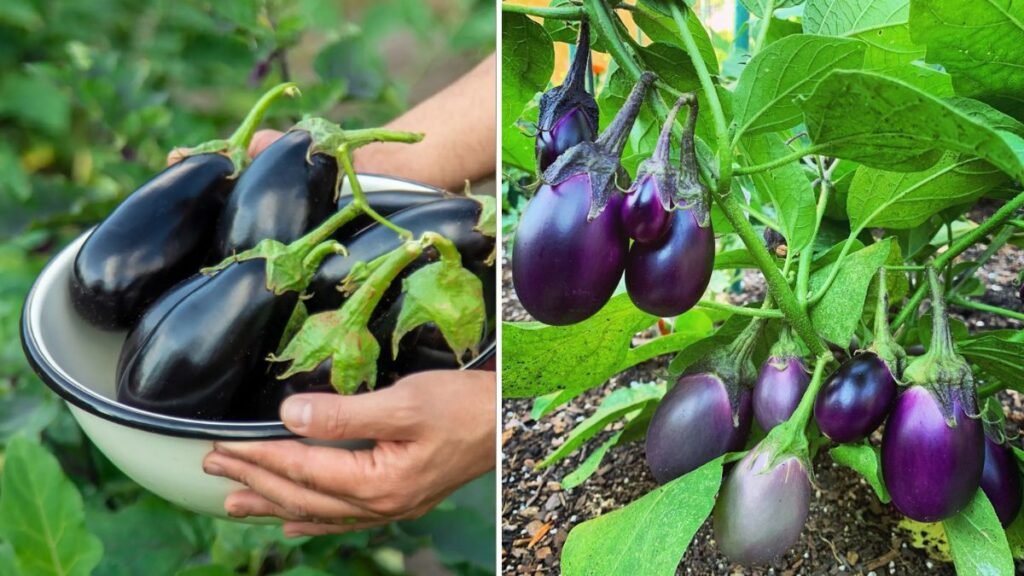
Harvest when fruits are firm, glossy, and reach full size. Avoid leaving overripe fruits as it reduces plant energy for new growth. Use scissors or gentle twisting to pick fruits. Regular harvesting encourages continuous production. Container-grown eggplants allow easy access and minimize fruit damage. Harvest timing is critical for taste and texture.
Benefits of Cost-Effective Eggplant Gardening
- Low-cost setup using containers or recycled pots
- Easy maintenance with minimal space requirements
- Continuous harvest throughout the season
- Fresh, chemical-free fruits for home consumption
- Perfect for urban and balcony gardening
Eggplants are ideal for small-scale gardeners seeking high yield and nutrition.
Creative Garden Layouts
Arrange eggplants in vertical rows or mixed vegetable beds. Combine with companion plants like basil or marigold to repel pests. Use decorative containers or colorful pots for aesthetic appeal. Vertical and container setups enhance airflow and reduce disease risk. Creative layouts increase efficiency and visual appeal in small gardens.

Expanding Production
Grow multiple containers for year-round harvesting. Rotate crops to avoid soil depletion. Use larger containers for bigger varieties. Adding more plants ensures continuous supply and supports family consumption. Efficient management ensures healthy growth without increasing costs.
Environmental Impact
Container and cost-effective gardening reduces water usage, recycles materials, and promotes sustainable practices. It minimizes pesticide use and supports urban green spaces. Eco-friendly gardening encourages healthy food production while protecting the environment.
Challenges and Solutions
Challenges include pest attacks, limited space, and nutrient depletion. Solve by using organic pest control, rotating crops, and fertilizing regularly. Early intervention ensures healthy plants and high yields. Awareness of these challenges allows gardeners to grow eggplants successfully in any setting.
Conclusion
Growing eggplants at home is simple, cost-effective, and highly rewarding. With proper soil preparation, watering, fertilization, pruning, and pest management, anyone can enjoy abundant harvests. This method saves money, ensures fresh produce, and supports sustainable gardening. Eggplants thrive in small spaces and container setups, making them perfect for urban gardening enthusiasts.