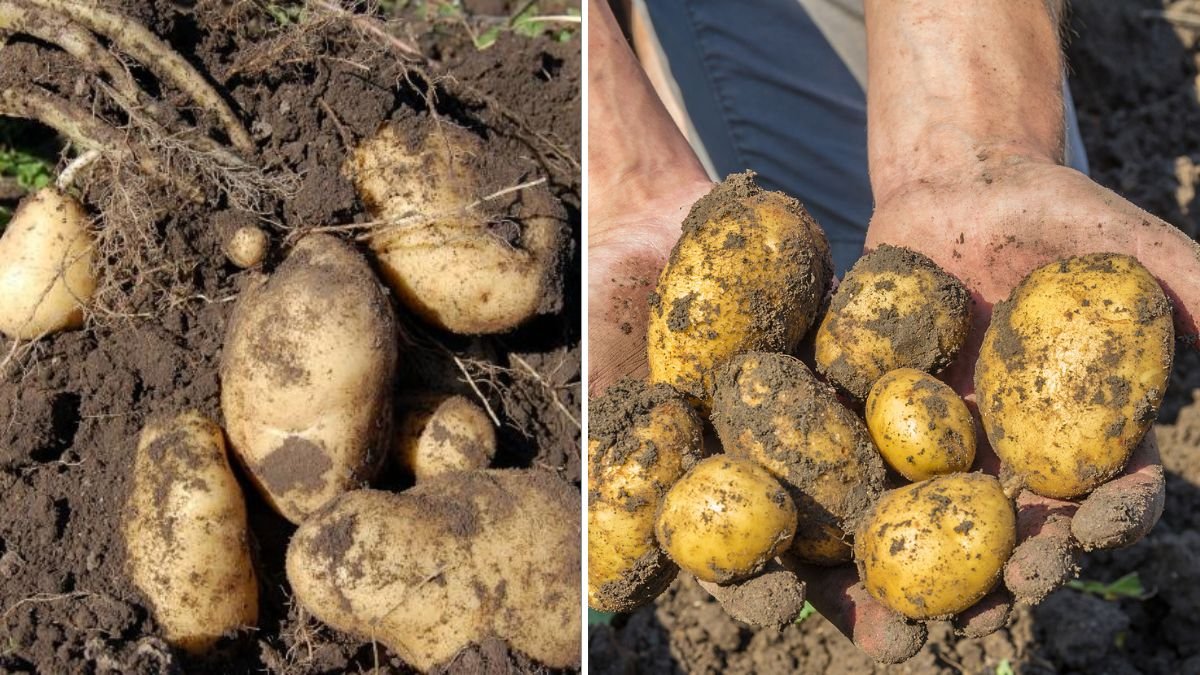
Growing potatoes in sacks is an efficient, space-saving method suitable for any garden. This approach allows multiple harvests and maximizes the number of bulbs per plant. Sacks improve drainage, prevent soil compaction, and simplify pest management. Ideal for urban or small-space gardens, this method reduces bending and effort. With proper soil, watering, and sunlight, you can achieve high yields. Potato sacks also enable better root aeration. Nutrient management becomes easier, and harvesting is simplified. This technique guarantees abundant, healthy, and delicious potatoes for your family.
Choosing the Right Potato Varieties
Early-maturing varieties are ideal for sacks. Red, Yukon Gold, or fingerling potatoes yield well in small containers. Disease-resistant strains reduce maintenance. Consider taste, texture, and culinary use when selecting varieties. Certified seed potatoes ensure healthy, strong plants. Avoid using supermarket potatoes due to sprout inhibitors. Variety choice determines bulb size and quantity. Selecting the right type is critical for a successful sack potato garden.
Selecting and Preparing Sacks
Use sturdy sacks like burlap, jute, or thick plastic bags. Ensure sacks have holes or slits for drainage. Fill sacks with nutrient-rich soil or compost. Pre-moisten soil before planting. Avoid overfilling to allow space for tuber growth. Label sacks for tracking varieties and growth stages. Proper sack selection ensures healthy root development. Quality sacks contribute to ease of maintenance and harvesting.
Soil Preparation for Potatoes
Potatoes need loose, well-draining soil. Mix garden soil with compost and sand for aeration. pH level should be slightly acidic (5.5-6.5). Add balanced fertilizers for initial growth. Layer soil in the sack, leaving space for hilling. Avoid compacted soil, which stunts tuber growth. Soil preparation affects yield, size, and quality of potatoes. Healthy soil ensures rapid growth and multiple bulbs.

Planting Techniques in Sacks
Cut seed potatoes into pieces with at least one sprout each. Place cut pieces in soil 4-6 inches deep. Space pieces evenly in the sack to prevent overcrowding. Cover with 3-4 inches of soil initially. Water lightly to settle soil around the pieces. Gradually add more soil as plants grow (hilling). Correct planting increases tuber number and size. Proper technique reduces disease and improves harvest.
Latest Posts
- Easy Steps to Successfully Grow Bhindi in Grow Bags at Home
- Easy Steps to Grow a Healthy Guava Bonsai at Home for Beginners
- How to Successfully Grow and Cultivate White Strawberry Plants at Home for Delicious and Unique Fruits
- Ultimate Guide to Successfully Growing Weeping Fig Outdoors with Proven Techniques and Expert Tips
- How to Successfully Grow Flemish Beauty Pear Trees in Canada for Optimal Harvest
- Easy Hack to Grow Strawberries Year Round in Your Home Garden for Delicious Harvests
- Growing Flemish Beauty Pears in Canada A Complete Guide for Local Gardens
- The Ultimate Guide to Growing Hibiscus Plants Year Round for Vibrant Blooms and Healthy Foliage
- Easy Ways to Boost the Growth Rate of Your Indoor Peace Lily for Lush Green Foliage
- How to Successfully Grow Oak Leaf Lettuce in Your Home Garden for Fresh and Flavorful Salads
Watering and Drainage Tips
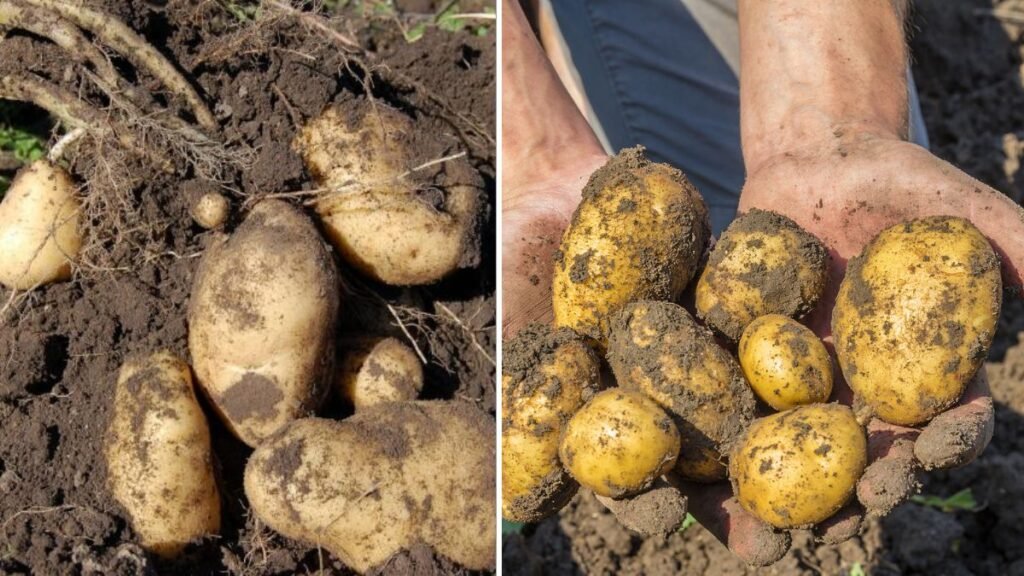
Sacks dry out faster than garden beds. Water consistently to keep soil moist, not soggy. Drainage holes prevent root rot. Early morning watering reduces fungal risk. Mulching can conserve moisture. Avoid waterlogging to prevent tuber decay. Check soil regularly for dryness. Efficient watering ensures rapid growth and higher yield.
Sunlight Requirements
Potatoes require 6-8 hours of sunlight daily. Position sacks in a sunny location. Rotate sacks occasionally for uniform growth. Protect from extreme heat with temporary shading. Adequate sunlight promotes photosynthesis and tuber formation. Proper exposure increases bulb size and quantity. Sunlight management is key to healthy, fast-growing potatoes.
Fertilizing for Maximum Tubers
Potatoes require nitrogen for foliage, phosphorus for roots, and potassium for tubers. Apply organic compost or balanced fertilizer during planting. Side-dress with nitrogen-rich fertilizer as plants grow. Avoid excessive nitrogen late, which reduces tuber formation. Trace elements like magnesium improve quality. Proper nutrition leads to multiple, large, and healthy tubers. Fertilization ensures continuous growth and higher harvests.

Pest and Disease Management
Potatoes are prone to aphids, Colorado potato beetles, and blight. Inspect plants regularly and remove affected leaves. Use organic sprays or neem oil as preventive measures. Ensure sacks are well-drained to reduce fungal growth. Rotate planting locations to prevent soil-borne diseases. Early detection and control maintain healthy plants. Pest and disease management ensures maximum yield.
Pruning and Plant Maintenance
Remove yellow or dead leaves to improve airflow. Hill soil around stems as plants grow. Maintain consistent watering and fertilizer schedules. Thin overcrowded sprouts if needed. Keep sacks clean and free from debris. Pruning encourages stronger stems and more tubers. Maintenance reduces disease risk and increases productivity. Consistent care improves potato quality and quantity.
Harvesting Potatoes
Harvest when foliage turns yellow and dies back. Empty sacks carefully to avoid damaging tubers. Shake soil gently to retrieve all potatoes. Separate large and small bulbs for storage or replanting. Store harvested potatoes in cool, dry, dark conditions. Avoid washing before storage to extend shelf life. Timely harvesting maximizes yield and quality. Proper harvesting techniques preserve tubers for future use.
Reusing Sacks for Successive Crops
After harvest, clean sacks thoroughly. Replace used soil with fresh, nutrient-rich mix. Rotate varieties for disease prevention. Ensure sacks are free from pests and debris. Proper reuse reduces cost and environmental impact. Maintains sack durability for multiple seasons. Reuse strategy enhances continuous potato production. Sustainable practices maximize efficiency and yield.

Vertical vs. Horizontal Arrangements
Sacks can be stacked vertically to save space. Horizontal arrangements may provide easier maintenance. Vertical setups improve sunlight exposure for each sack. Support stacked sacks to prevent toppling. Horizontal layouts allow easy watering and inspection. Choose layout based on space, sunlight, and convenience. Efficient arrangements maximize harvest per area. Layout selection enhances productivity and ease of care.
Mulching and Soil Cover
Cover soil with straw or dry leaves to conserve moisture. Mulching prevents weed growth and soil erosion. Helps maintain consistent temperature in sacks. Refresh mulch periodically for optimal performance. Mulching also reduces disease risk. Ensures healthy tuber growth and higher yield. Efficient soil cover supports sustainable potato gardening. Proper mulch management improves tuber quantity and quality.
Companion Planting Ideas
Plant beans, cabbage, or marigolds nearby to repel pests. Companion plants enrich soil and enhance growth. Avoid aggressive roots competing with potatoes. Rotate companions each season for soil health. Strategic companion planting increases yield and reduces chemical use. Companion plants also improve garden aesthetics. Enhances sustainable and healthy potato cultivation. Proper pairing boosts productivity and plant resilience.
Common Problems and Solutions
Yellow leaves may indicate nitrogen deficiency. Small tubers could result from overcrowding. Blight requires prompt pruning and organic treatment. Overwatering causes rot; under-watering slows growth. Monitor soil pH and nutrient content regularly. Early identification prevents crop loss. Troubleshooting ensures continuous, high-quality harvests. Timely solutions maintain productivity and tuber health.

Benefits of Sack Potato Gardening
Sack cultivation saves space and simplifies harvesting. Improves drainage and soil aeration. Reduces bending and effort during maintenance. Easier to manage water and nutrient supply. Prevents soil-borne diseases and pests. Enables high-density planting for more tubers. Sustainable, cost-effective, and highly productive. Efficient method ensures abundant and healthy potatoes.
Tips for Maximum Potato Yield
Use certified seed potatoes and nutrient-rich soil. Ensure proper sunlight and watering. Hill soil around stems as plants grow. Fertilize consistently with balanced nutrients. Maintain airflow and monitor for pests. Harvest at optimal maturity. Reuse sacks with fresh soil for next crop. Following these tips guarantees multiple, large, and healthy tubers.
Conclusion: Enjoy a Bountiful Potato Harvest
Growing potatoes in sacks is an efficient, space-saving, and high-yield method. Proper soil, watering, fertilization, and sunlight ensure robust growth. Pest management and pruning enhance tuber quality. Vertical or horizontal arrangements adapt to any space. Reusable sacks contribute to sustainability. Companion planting boosts growth and pest resistance. With correct techniques, you can enjoy abundant, delicious potatoes. Start today to maximize your garden’s potential.