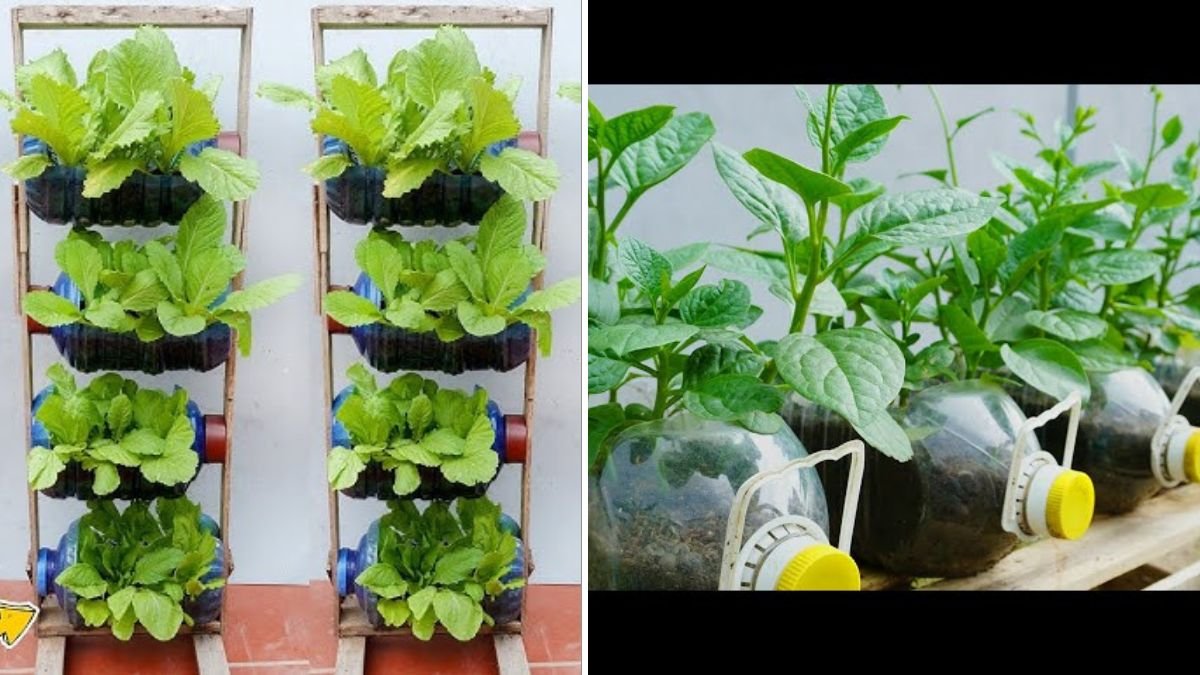
Growing spinach in plastic bottles is a practical solution for urban gardeners with limited space. This method allows fresh leafy greens to be grown on balconies, rooftops, and windowsills. Spinach grows quickly and adapts well to containers. Recycled plastic bottles make this method budget-friendly and environmentally responsible. The setup requires minimal tools and investment. Even beginners can achieve success with simple care. Spinach thrives in shallow containers, making bottles ideal. This guide explains every step clearly. With consistency, you can harvest spinach multiple times. This technique combines sustainability, nutrition, and convenience.
1. Why Spinach Is Perfect for Bottle Gardening
Spinach has shallow roots and fast growth. It does not require deep soil like root vegetables. Plastic bottles provide enough depth for healthy leaf development. Spinach tolerates partial shade well. This makes it suitable for balconies and indoor sunlight areas. It matures quickly, often within 30 to 40 days. Bottle gardening reduces pest exposure. Leaves remain cleaner compared to ground planting. Regular harvesting encourages regrowth. This makes spinach an excellent crop for small spaces.
2. Choosing the Right Plastic Bottles
Use 1 or 2-liter plastic bottles for best results. Bottles should be sturdy and clean. Avoid bottles that previously held chemicals. Transparent bottles should be lightly painted or wrapped to protect roots. Horizontal placement works best for spinach. Ensure bottles have enough width for leaf spread. Uniform bottle size improves water management. Reusing bottles reduces waste. Strong bottles last multiple growing cycles. Proper container choice ensures healthy growth.
3. Preparing Bottles for Planting
Cut a rectangular opening along the side of the bottle. Smooth sharp edges using tape or sandpaper. Drill drainage holes at the bottom. Proper drainage prevents root rot. Wash bottles thoroughly before use. Make hanging holes if using vertical arrangements. Label bottles for planting dates. Ensure openings face upward for sunlight. Preparation improves plant safety and longevity. Well-prepared bottles support healthy spinach growth.

4. Best Soil Mix for Spinach
Spinach prefers loose, nutrient-rich soil. Mix garden soil, compost, and coco peat evenly. This combination improves drainage and moisture retention. Avoid heavy clay soil. Add a small amount of organic fertilizer. Soil pH should be slightly neutral. Healthy soil promotes fast leaf growth. Good aeration helps roots breathe. Replace soil after each full harvest cycle. Quality soil directly affects yield and taste.
Latest Posts
- Easy Steps to Successfully Grow Bhindi in Grow Bags at Home
- Easy Steps to Grow a Healthy Guava Bonsai at Home for Beginners
- How to Successfully Grow and Cultivate White Strawberry Plants at Home for Delicious and Unique Fruits
- Ultimate Guide to Successfully Growing Weeping Fig Outdoors with Proven Techniques and Expert Tips
- How to Successfully Grow Flemish Beauty Pear Trees in Canada for Optimal Harvest
- Easy Hack to Grow Strawberries Year Round in Your Home Garden for Delicious Harvests
- Growing Flemish Beauty Pears in Canada A Complete Guide for Local Gardens
- The Ultimate Guide to Growing Hibiscus Plants Year Round for Vibrant Blooms and Healthy Foliage
- Easy Ways to Boost the Growth Rate of Your Indoor Peace Lily for Lush Green Foliage
- How to Successfully Grow Oak Leaf Lettuce in Your Home Garden for Fresh and Flavorful Salads
5. Sowing Spinach Seeds Correctly
Scatter seeds evenly across the soil surface. Do not overcrowd seeds. Cover lightly with soil. Water gently to avoid seed displacement. Keep soil consistently moist. Germination usually occurs within a week. Thin seedlings once leaves appear. Proper spacing allows healthy leaf growth. Early care determines plant strength. Seed sowing accuracy improves success rate.
6. Watering Schedule for Bottle Spinach
Spinach needs regular watering. Bottles dry faster than ground soil. Water once daily in warm weather. Reduce watering during cooler days. Avoid waterlogging the soil. Morning watering is ideal. Ensure excess water drains freely. Consistent moisture prevents bitterness. Overwatering leads to fungal problems. Balanced watering ensures tender leaves.
7. Sunlight Requirements
Spinach grows best in partial sunlight. Four to six hours of light is sufficient. Too much heat can cause bolting. Place bottles in morning sun locations. Afternoon shade helps during hot seasons. Indoor windows with bright light also work. Rotate bottles for even exposure. Monitor leaf color for light stress. Proper sunlight management extends harvest time. Balanced light improves leaf quality.

8. Fertilizing for Faster Growth
Use liquid organic fertilizer every two weeks. Compost tea works well for leafy greens. Avoid excessive nitrogen. Too much fertilizer causes weak leaves. Observe plant response carefully. Organic feeding improves flavor. Fertilizer supports repeated harvesting. Healthy nutrition increases leaf size. Proper feeding boosts overall productivity. Moderate feeding ensures sustainability.
9. Thinning and Pruning Spinach Plants
Thin seedlings once they reach two inches tall. Remove weak or crowded plants. This allows remaining plants to grow bigger. Harvest outer leaves regularly. Avoid cutting the center crown. Pruning encourages regrowth. Clean tools prevent disease spread. Regular trimming improves airflow. Controlled pruning maximizes yield. Maintenance keeps plants productive longer.
10. Pest Control in Bottle Spinach
Bottle gardening reduces pest attacks. However, aphids may still appear. Inspect leaves weekly. Use neem oil if necessary. Remove damaged leaves immediately. Avoid chemical pesticides. Good airflow prevents fungal diseases. Clean surrounding area regularly. Healthy plants resist pests naturally. Early detection prevents spread. Organic methods keep spinach safe to eat.
11. Disease Prevention Tips
Avoid wetting leaves during watering. Provide good air circulation. Do not overcrowd plants. Remove yellow or diseased leaves quickly. Use clean containers and tools. Replace soil between cycles. Healthy soil prevents root diseases. Proper spacing reduces fungal growth. Consistent care prevents most issues. Prevention is easier than treatment.

12. Growing Spinach Vertically
Plastic bottles can be hung vertically. Vertical gardening saves space. Ensure proper drainage between levels. Water from top to allow trickle-down irrigation. Secure bottles firmly. Vertical systems receive even sunlight. This method increases production per square foot. Ideal for balconies and walls. Vertical spinach gardens look attractive. Space efficiency improves yield.
13. Indoor Spinach Bottle Gardening
Spinach grows well indoors near windows. Use grow lights if sunlight is limited. Maintain consistent temperature. Indoor growing protects from weather extremes. Control watering more easily indoors. Avoid placing near heat sources. Rotate bottles weekly. Indoor growing ensures year-round harvest. Clean environment reduces pests. Indoor bottle gardening suits apartments.
14. Harvesting Spinach Properly
Harvest spinach when leaves are 4 to 6 inches long. Cut outer leaves first. Leave center intact for regrowth. Harvest every 7 to 10 days. Morning harvest keeps leaves fresh. Avoid pulling plants entirely. Proper harvesting extends production. Gentle handling prevents damage. Regular harvesting encourages new leaves. Timing affects taste and texture.
15. Continuous Harvest Strategy
Stagger seed sowing every two weeks. This ensures continuous supply. Replace old plants after several harvests. Maintain consistent care. Monitor soil fertility. Rotate bottle positions occasionally. Continuous planting increases productivity. Planning prevents gaps in harvest. Simple scheduling improves yield. Consistency is key to success.

16. Seasonal Spinach Growing Tips
Spinach prefers cool weather. Grow during spring and fall. In hot climates, provide shade. Use heat-resistant varieties in summer. Adjust watering frequency seasonally. Protect from heavy rain. Indoor growing works year-round. Seasonal care improves leaf quality. Temperature control prevents bolting. Adaptation ensures success.
17. Cost Benefits of Bottle Spinach Gardening
Plastic bottles are free or low-cost. Soil and compost are affordable. No expensive pots required. Water usage is minimal. Fertilizer costs remain low. High yield from small investment. Reduced grocery expenses. Fresh produce saves money. Sustainable gardening reduces waste. Cost-effectiveness is a major advantage.
18. Common Mistakes to Avoid
Overwatering is the most common error. Crowded planting reduces yield. Lack of drainage causes root rot. Excess heat causes bolting. Poor soil reduces growth. Skipping thinning weakens plants. Ignoring pests leads to damage. Learning from mistakes improves results. Observation is essential. Prevention ensures success.
19. Environmental Impact and Sustainability
Bottle gardening reduces plastic waste. Homegrown spinach reduces carbon footprint. No chemical runoff into soil. Encourages recycling habits. Promotes urban greenery. Efficient water usage conserves resources. Sustainable food production improves health. Small efforts make big impact. Eco-friendly gardening supports the environment. Sustainability is a major benefit.

20. Conclusion: Fresh Spinach Made Simple
Growing spinach in plastic bottles is simple and effective. It suits beginners and experienced gardeners. Minimal space and cost required. Consistent care delivers multiple harvests. Plastic bottles turn waste into productivity. This method supports sustainable living. Fresh spinach improves nutrition. Easy maintenance encourages daily gardening. With proper planning, success is guaranteed. Start today and enjoy fresh greens at home.
Table: Spinach Bottle Gardening Overview
| Aspect | Requirement | Benefit |
|---|---|---|
| Container | 1–2L plastic bottle | Low cost |
| Soil | Compost mix | Fast growth |
| Sunlight | 4–6 hours | Prevents bolting |
| Water | Daily light watering | Tender leaves |
| Harvest | Outer leaves only | Continuous growth |