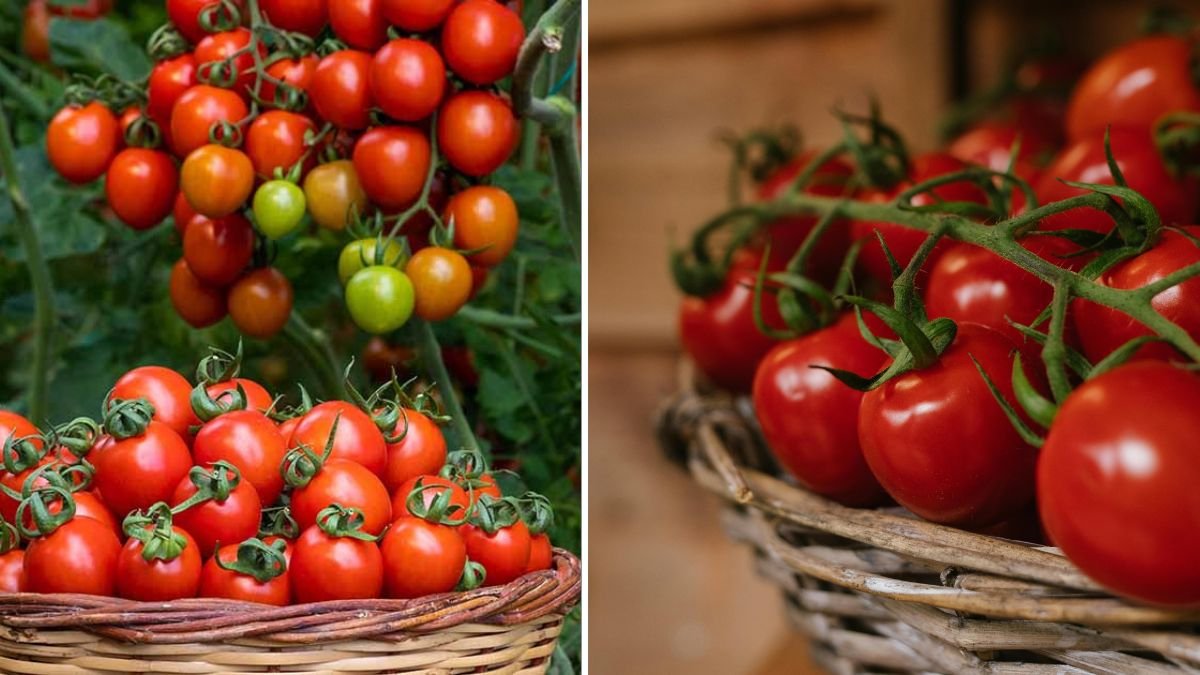
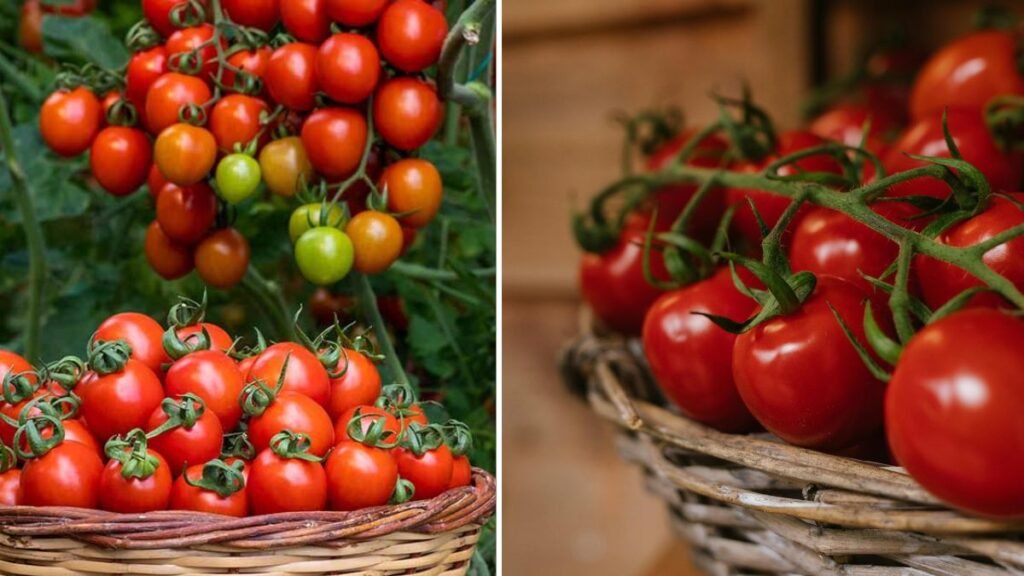
1. Introduction to Container Tomato Gardening
Growing tomatoes in containers is ideal for small spaces and balconies. Tomatoes adapt extremely well to pots when cared for properly. Container gardening allows control over soil and water. Fresh homegrown tomatoes taste better than store-bought ones. Even beginners can achieve heavy yields. Containers reduce pest and disease problems. Mobility allows sunlight adjustment. This method suits urban gardeners perfectly. With correct techniques, production increases dramatically. This guide covers everything in detail.
2. Why Containers Are Perfect for Tomatoes
Tomatoes develop strong roots in containers. Soil quality is easier to control. Containers warm faster, encouraging growth. Mobility protects plants from extreme weather. Drainage can be managed easily. Weeds are minimal. Container tomatoes produce earlier harvests. Space efficiency is excellent. Balcony gardeners benefit greatly. Containers increase success rate.
3. Choosing the Right Tomato Varieties
Determinate varieties work best for containers. Cherry tomatoes yield abundantly. Compact bush varieties need less support. Disease-resistant seeds reduce problems. Early-maturing types give faster harvests. Avoid large indeterminate varieties unless space allows. Variety choice affects yield size. Read seed labels carefully. Local varieties adapt better. Selection determines success.
4. Selecting Proper Containers
Large containers support healthy roots. At least ten-gallon pots are recommended. Drainage holes are essential. Grow bags provide excellent aeration. Plastic, clay, or fabric pots all work. Clean containers prevent disease. Stability prevents tipping. Proper size supports heavy fruiting. Container choice impacts yield. Choose wisely.
5. Best Soil Mix for Container Tomatoes
Loose, nutrient-rich soil works best. Mix garden soil, compost, and cocopeat. Vermicompost boosts microbial activity. Avoid heavy clay soil. Good drainage prevents root diseases. Balanced soil supports flowering. Organic matter improves water retention. Healthy soil equals healthy plants. Soil quality is critical. Preparation ensures success.
Latest Posts
- Easy Steps to Successfully Grow Bhindi in Grow Bags at Home
- Easy Steps to Grow a Healthy Guava Bonsai at Home for Beginners
- How to Successfully Grow and Cultivate White Strawberry Plants at Home for Delicious and Unique Fruits
- Ultimate Guide to Successfully Growing Weeping Fig Outdoors with Proven Techniques and Expert Tips
- How to Successfully Grow Flemish Beauty Pear Trees in Canada for Optimal Harvest
- Easy Hack to Grow Strawberries Year Round in Your Home Garden for Delicious Harvests
- Growing Flemish Beauty Pears in Canada A Complete Guide for Local Gardens
- The Ultimate Guide to Growing Hibiscus Plants Year Round for Vibrant Blooms and Healthy Foliage
- Easy Ways to Boost the Growth Rate of Your Indoor Peace Lily for Lush Green Foliage
- How to Successfully Grow Oak Leaf Lettuce in Your Home Garden for Fresh and Flavorful Salads
6. Planting Tomato Seedlings
Plant strong seedlings deeply. Bury part of the stem for stronger roots. Water immediately after planting. Avoid planting during extreme heat. Space plants properly. Support plants early. Proper planting reduces stress. Healthy establishment ensures faster growth. Correct depth improves stability. Planting technique matters.
7. Sunlight Requirements
Tomatoes require six to eight hours of sunlight. Full sun boosts flowering and fruiting. Rotate containers for uniform exposure. Insufficient light reduces yield. Morning sun is ideal. Protect from harsh afternoon heat if needed. Bright light improves flavor. Balcony orientation affects results. Light management is crucial. Sunlight drives productivity.
8. Watering for Maximum Yield
Tomatoes need consistent moisture. Containers dry quickly. Water deeply but avoid waterlogging. Morning watering is best. Mulching helps retain moisture. Irregular watering causes fruit cracking. Consistent watering improves size. Check soil daily. Balanced moisture supports fruiting. Watering discipline is essential.
9. Fertilizing for Heavy Production
Tomatoes are heavy feeders. Organic liquid fertilizers work best. Feed every two weeks. Reduce nitrogen after flowering. Potassium improves fruit quality. Compost tea boosts growth. Overfertilization causes leafy growth only. Balanced nutrition increases yield. Feeding schedule matters. Fertilization drives production.
10. Supporting Tomato Plants
Tomatoes need support as they grow. Use stakes or cages. Support prevents stem breakage. Upright growth improves airflow. Tie plants gently. Support increases fruit exposure to light. Stable plants yield more. Containers must remain balanced. Proper support improves health. Structural care is important.
11. Pruning for Better Yield
Remove lower leaves touching soil. Light pruning improves airflow. Avoid excessive pruning. Focus energy on fruit production. Remove suckers if needed. Clean cuts prevent disease. Pruning improves sunlight penetration. Healthy plants produce more fruits. Balanced pruning is beneficial. Maintenance increases yield.
12. Pollination Techniques
Tomatoes are self-pollinating. Gentle shaking helps pollination. Morning hours are best. Balcony conditions may reduce wind. Hand pollination improves fruit set. Healthy flowers indicate good nutrition. Poor pollination reduces yield. Simple techniques improve results. Pollination ensures fruit development. Small effort matters.

13. Pest Management
Common pests include aphids and caterpillars. Neem oil spray controls pests effectively. Inspect plants regularly. Remove infected leaves promptly. Healthy plants resist pests. Avoid chemical sprays. Clean surroundings reduce infestation. Early control saves plants. Organic methods are safest. Pest control protects yield.
14. Disease Prevention
Ensure proper drainage. Avoid wet leaves at night. Use clean soil and tools. Remove diseased plants immediately. Good airflow prevents fungal diseases. Disease-free plants yield more. Preventive care saves effort. Regular monitoring is essential. Healthy environment ensures success. Prevention is key.
15. Harvesting Tomatoes
Harvest tomatoes when fully colored. Morning harvest preserves freshness. Use scissors to cut fruits. Avoid pulling plants. Regular harvesting encourages more fruiting. Proper timing improves flavor. Overripe fruits reduce plant productivity. Gentle handling prevents damage. Harvest often for more yield. Observation is important.
16. Storage and Usage
Store tomatoes at room temperature. Avoid refrigeration if possible. Use ripe tomatoes quickly. Homegrown tomatoes spoil faster due to no chemicals. Use excess tomatoes for sauces. Proper storage maintains flavor. Handle gently to avoid bruising. Freshness defines taste. Storage completes the cycle. Enjoy your harvest.

17. Common Tomato Growing Mistakes
Overwatering is common. Poor drainage causes disease. Lack of sunlight reduces yield. Overfertilizing causes leafy growth. Ignoring support leads to breakage. Late harvesting reduces productivity. Crowding plants limits airflow. Learning mistakes improves success. Awareness saves effort. Experience builds skill.
18. Seasonal Tips
Grow tomatoes during warm seasons. Protect plants from cold winds. Increase watering during heat waves. Reduce feeding in cooler weather. Seasonal adjustments improve yield. Climate awareness matters. Proper timing boosts production. Adapt care as seasons change. Seasonal care ensures success. Timing is everything.
19. Container Tomato Growing Table
| Factor | Recommendation |
|---|---|
| Container size | 10–15 gallons |
| Sunlight | 6–8 hours |
| Watering | Deep, consistent |
| Fertilizer | Organic liquid |
| Support | Stakes or cages |
20. Conclusion
Container tomato gardening is highly productive and practical. With correct care, yields increase significantly. Small spaces become food-producing areas. Organic methods ensure healthy produce. Beginners can achieve excellent results. Consistent watering and feeding are essential. Proper sunlight drives productivity. Follow these tips carefully. Enjoy abundant tomatoes from containers. Homegrown tomatoes are unbeatable.