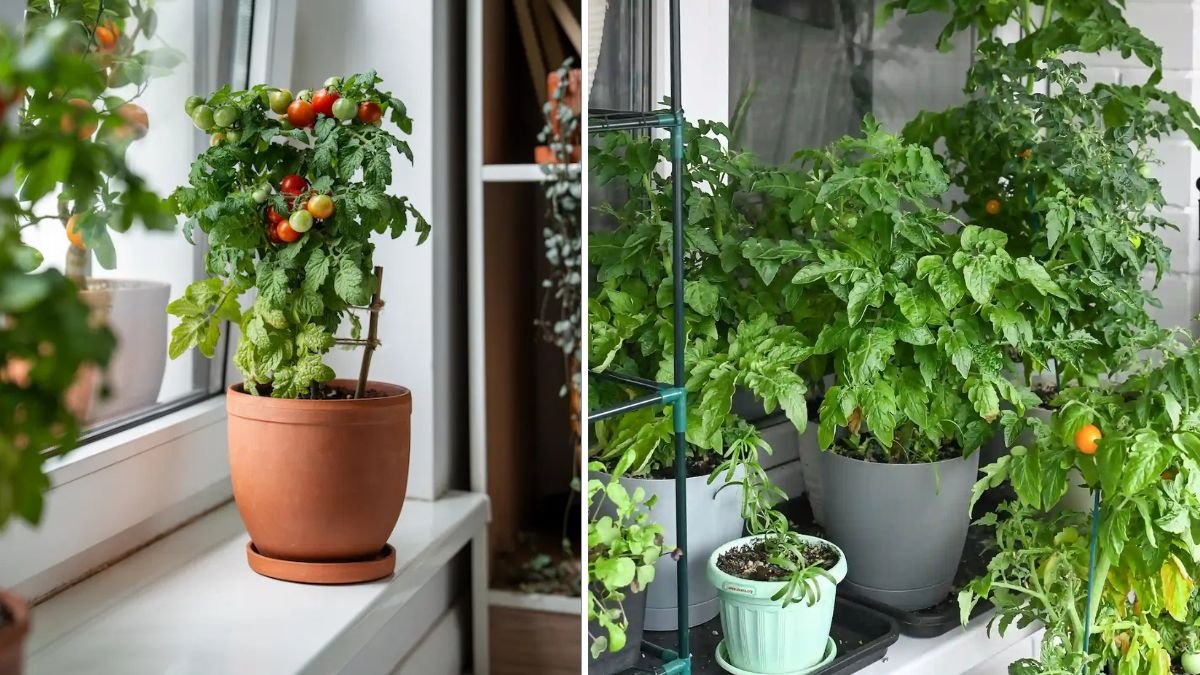
Growing tomatoes in plastic containers is a convenient way to enjoy fresh produce at home. Perfect for balconies, patios, and small gardens. Container tomatoes require less space than traditional gardens. You can control soil, water, and nutrients effectively. Tomatoes adapt well to pots or bins. This method reduces pest and disease exposure. Even beginners can succeed. With proper care, container-grown tomatoes are juicy and flavorful.
Benefits of Plastic Container Gardening
Plastic containers are lightweight and portable. They provide excellent root space when deep enough. Drainage can be easily managed. Containers warm quickly, encouraging faster growth. Plants can be moved for sunlight or shade. Containers reduce soil-borne pest issues. Fertilizer application is simpler. Containers make gardening flexible and manageable.
Choosing the Right Containers
Select containers at least 30–40 cm deep. Use wide containers for larger plants. Food-grade plastic is ideal. Ensure the plastic is durable and crack-free. Clean containers thoroughly before use. Proper containers support healthy root development. Strong containers last multiple seasons. Container size affects fruit production and plant health.
Preparing Drainage Holes
Drill multiple drainage holes at the bottom. Add small stones for better water outflow. Prevent waterlogging and root rot. Elevate containers slightly for airflow. Good drainage ensures healthy roots. Avoid soil loss by placing mesh over holes. Drainage is critical for container tomatoes. Proper drainage increases yield and quality.
Soil Mix for Tomatoes
Use fertile, loose, and well-draining soil. Mix garden soil with compost and coco peat. Add sand to improve drainage. Avoid heavy clay soil. Organic matter improves nutrient availability. Soil should retain moisture but not be soggy. Healthy soil ensures fast growth. Proper mix improves fruit size and taste.
Latest Posts
- Easy Steps to Successfully Grow Bhindi in Grow Bags at Home
- Easy Steps to Grow a Healthy Guava Bonsai at Home for Beginners
- How to Successfully Grow and Cultivate White Strawberry Plants at Home for Delicious and Unique Fruits
- Ultimate Guide to Successfully Growing Weeping Fig Outdoors with Proven Techniques and Expert Tips
- How to Successfully Grow Flemish Beauty Pear Trees in Canada for Optimal Harvest
- Easy Hack to Grow Strawberries Year Round in Your Home Garden for Delicious Harvests
- Growing Flemish Beauty Pears in Canada A Complete Guide for Local Gardens
- The Ultimate Guide to Growing Hibiscus Plants Year Round for Vibrant Blooms and Healthy Foliage
- Easy Ways to Boost the Growth Rate of Your Indoor Peace Lily for Lush Green Foliage
- How to Successfully Grow Oak Leaf Lettuce in Your Home Garden for Fresh and Flavorful Salads
Selecting Tomato Varieties
Choose compact, determinate varieties for containers. Cherry tomatoes grow well in small spaces. Disease-resistant hybrids reduce care. Local varieties adapt better to climate conditions. Fast-growing varieties yield earlier. Choice of variety affects fruit size, taste, and yield. Compact varieties suit limited spaces. Select according to container size.
Planting Tomato Seedlings
Plant seedlings deep, burying part of the stem to encourage roots. Space plants to allow airflow. Water gently after planting. Avoid damaging roots during transplanting. Healthy seedlings establish quickly. Proper planting reduces transplant shock. Correct technique ensures early and healthy growth. Proper planting impacts fruit quality.
Sunlight Requirements
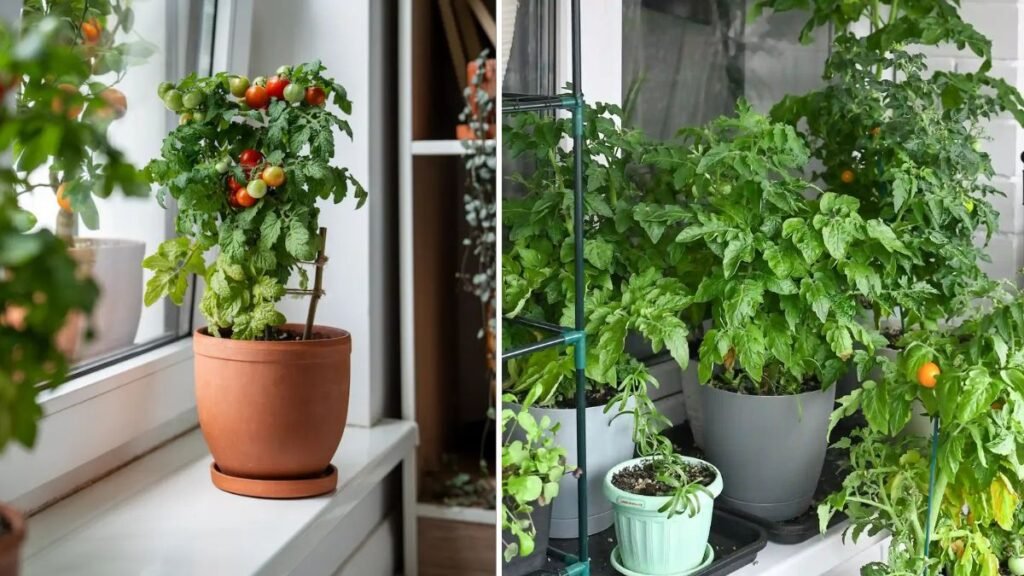
Tomatoes need 6–8 hours of direct sunlight daily. Place containers in bright locations. Rotate containers if sunlight is uneven. Adequate sunlight encourages flowering and fruiting. Warm exposure improves taste and size. Sunlight accelerates growth and ripening. Full sun ensures maximum yield. Placement is crucial.
Watering Container Tomatoes
Water deeply and consistently. Avoid waterlogging, which causes root rot. Morning watering is ideal. Check soil moisture daily. Mulching reduces water loss. Consistent hydration prevents stress. Proper watering ensures juicy and healthy fruits. Balance is key to container success.

Fertilizing Tomato Plants
Tomatoes are heavy feeders. Apply compost every two weeks. Use liquid fertilizer for quicker absorption. Avoid excess nitrogen, which favors leaves over fruit. Potassium and phosphorus improve fruit quality. Fertilizer boosts flowering and fruit size. Regular feeding ensures continuous production. Healthy nutrition produces flavorful tomatoes.
Supporting Tomato Plants
Use stakes, cages, or trellises. Vertical support prevents bending and breakage. Keeps fruits off the soil, reducing disease. Improves airflow around the plant. Supports help even growth. Heavy fruits remain secure. Proper structure maximizes yield. Vertical growth saves space.
Pruning and Maintenance
Remove yellow or damaged leaves. Prune to improve airflow and sunlight penetration. Avoid over-pruning. Focus plant energy on fruiting. Proper maintenance prevents fungal issues. Healthy structure encourages bigger fruits. Regular pruning ensures optimal growth. Maintenance is simple but critical.

Pest and Disease Control
Inspect plants weekly. Remove pests manually or use neem oil. Common pests include aphids and whiteflies. Maintain clean surroundings. Avoid chemical sprays for safe home tomatoes. Good airflow reduces fungal infections. Early pest management prevents major losses. Healthy plants produce better fruits.
Harvesting Tomatoes
Harvest when fruits reach full color. Use scissors or gentle fingers. Pick regularly to encourage more flowering. Avoid leaving overripe fruits on the plant. Morning harvest preserves freshness. Frequent picking increases yield. Juicy tomatoes taste best when fully ripened. Timely harvest boosts productivity.
Seasonal Care Tips
Adjust watering and feeding with seasons. Protect plants from frost or extreme heat. Monitor for pests during each season. Seasonal adjustments ensure healthy growth. Maintain mulch for moisture retention. Prune as needed. Seasonal care keeps plants productive. Healthy plants yield consistently.

Common Mistakes to Avoid
Overwatering causes root rot. Poor sunlight reduces flowering. Skipping fertilization limits fruiting. Crowding increases disease risk. Ignoring pests damages fruits. Late harvesting reduces quality. Inadequate support leads to breakage. Avoiding mistakes ensures high yield.
Container Tomato Summary Table
| Factor | Best Practice | Benefit |
|---|---|---|
| Container | Deep plastic pot | Strong root growth |
| Soil | Fertile, loose | Juicy fruits |
| Sunlight | Full sun 6–8 hours | Flowering & fruiting |
| Support | Stakes or cages | Prevents damage & boosts yield |
Conclusion
Plastic container gardening is ideal for growing tomatoes in small spaces. Proper soil, sunlight, watering, and fertilization are key. Vertical support and pruning maximize yield. Pest and disease management ensures healthy plants. Regular harvesting encourages continuous production. Container tomatoes are juicy, flavorful, and productive. Anyone can grow delicious tomatoes at home. Enjoy fresh tomatoes year-round from your balcony or terrace.