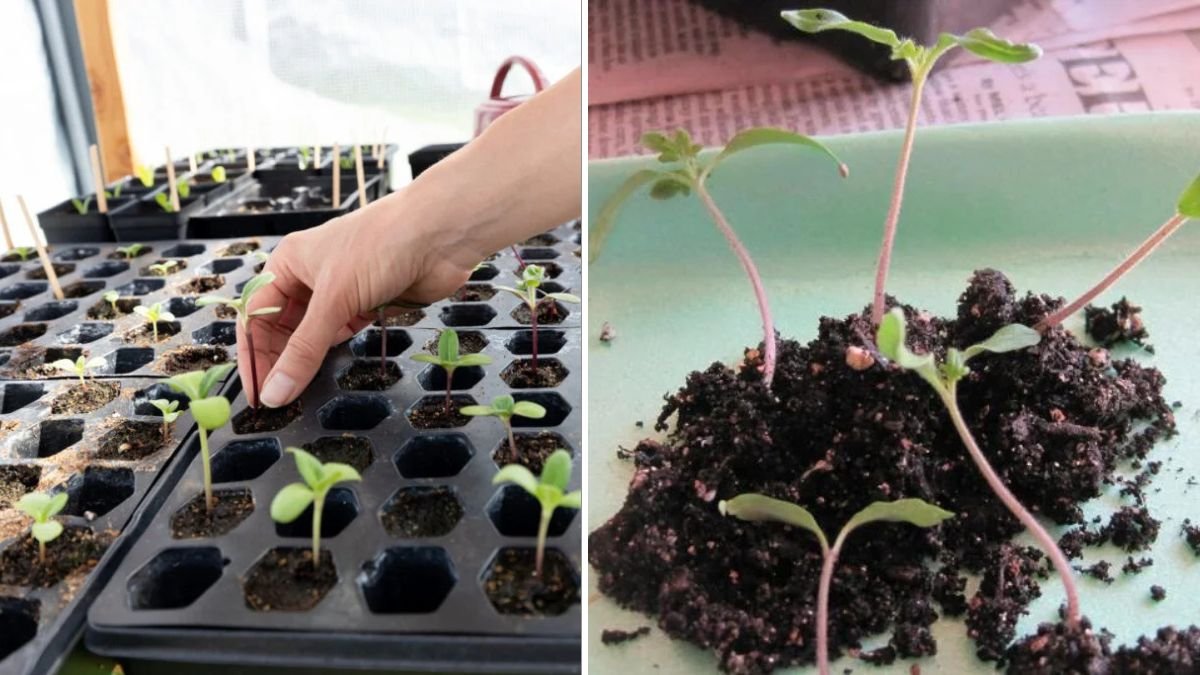
An improvised seedbed is a creative and cost-effective solution for starting seeds without traditional garden beds. It allows gardeners to reuse everyday materials while providing young plants with ideal growing conditions. Improvised seedbeds are especially useful for beginners, urban gardeners, and those with limited space. They support seed germination, root development, and early growth stages efficiently. These seedbeds can be made indoors or outdoors depending on climate. They help reduce gardening costs significantly. With the right setup, results can match professional seed trays. Improvised seedbeds also promote sustainable gardening practices.
Why Improvised Seedbeds Are Important
Seedbeds play a crucial role in early plant growth, and improvisation makes them accessible to everyone. They protect seedlings from harsh weather, pests, and soil compaction. Improvised seedbeds allow better control of moisture and temperature. Gardeners can move them easily as needed. They are perfect for testing seed viability before transplanting. These beds also reduce seed waste. Many materials used are already available at home. This approach encourages creativity and eco-friendly gardening.
Best Locations for Improvised Seedbeds
Choosing the right location ensures healthy germination and growth. A place with bright indirect sunlight works best. Indoors, windowsills or balconies are ideal. Outdoors, select areas protected from heavy rain and wind. Ensure proper drainage wherever the seedbed is placed. Temperature stability is important for seeds to sprout evenly. Avoid areas with foot traffic. Raised or elevated spots reduce pest risks. A calm, warm environment improves success rates.
Common Materials Used for Improvised Seedbeds
Improvised seedbeds can be created using simple household items. Plastic bottles, trays, wooden boxes, and old buckets work well. Cardboard boxes can be used temporarily with liners. Coconut shells and clay pots are also excellent options. Recycled containers reduce waste and cost. Ensure all materials are clean before use. Holes must be added for drainage. Choose materials that can retain moisture without waterlogging. Lightweight items are easier to move.
Preparing the Growing Medium
The growing medium is vital for seed success. A loose and nutrient-rich mix works best. Combine garden soil with compost and sand for balance. Coco peat improves moisture retention. Avoid heavy clay soil that restricts roots. Sterilizing the mix prevents fungal diseases. The medium should feel soft and crumbly. Proper aeration allows roots to breathe. Balanced soil ensures strong seedlings.
Latest Posts
- Easy Steps to Successfully Grow Bhindi in Grow Bags at Home
- Easy Steps to Grow a Healthy Guava Bonsai at Home for Beginners
- How to Successfully Grow and Cultivate White Strawberry Plants at Home for Delicious and Unique Fruits
- Ultimate Guide to Successfully Growing Weeping Fig Outdoors with Proven Techniques and Expert Tips
- How to Successfully Grow Flemish Beauty Pear Trees in Canada for Optimal Harvest
- Easy Hack to Grow Strawberries Year Round in Your Home Garden for Delicious Harvests
- Growing Flemish Beauty Pears in Canada A Complete Guide for Local Gardens
- The Ultimate Guide to Growing Hibiscus Plants Year Round for Vibrant Blooms and Healthy Foliage
- Easy Ways to Boost the Growth Rate of Your Indoor Peace Lily for Lush Green Foliage
- How to Successfully Grow Oak Leaf Lettuce in Your Home Garden for Fresh and Flavorful Salads
Steps to Create an Improvised Seedbed
Start by selecting a suitable container. Clean it thoroughly and add drainage holes. Fill with prepared growing medium. Moisten the soil lightly before sowing seeds. Place seeds according to depth requirements. Cover gently with soil or compost. Water using a spray to avoid disturbance. Label the seedbed for easy identification. Keep in a warm, bright area.
Watering and Moisture Control
Consistent moisture is essential for germination. Overwatering can rot seeds quickly. Use a spray bottle or gentle watering can. Check soil daily for dryness. Mulching lightly helps retain moisture. Drainage holes prevent stagnation. Morning watering is best. Avoid letting the soil dry completely. Balanced watering encourages uniform sprouting.
Light Requirements for Seedbeds
Light plays a key role after germination. Most seedlings require bright but indirect sunlight. Direct harsh sun can burn young plants. Rotate seedbeds for even exposure. Indoor gardeners may use grow lights. Maintain light for 12–14 hours daily. Insufficient light causes weak seedlings. Proper lighting strengthens stems. Healthy light exposure ensures balanced growth.
Temperature Management
Seeds germinate best within specific temperature ranges. Warm temperatures speed up sprouting. Cold slows or stops germination. Use plastic covers to retain heat if needed. Indoor temperatures are usually sufficient. Avoid placing seedbeds near cold drafts. Monitoring temperature improves success rates. Sudden fluctuations should be avoided. Stable warmth encourages uniform growth.
Seed Spacing and Depth
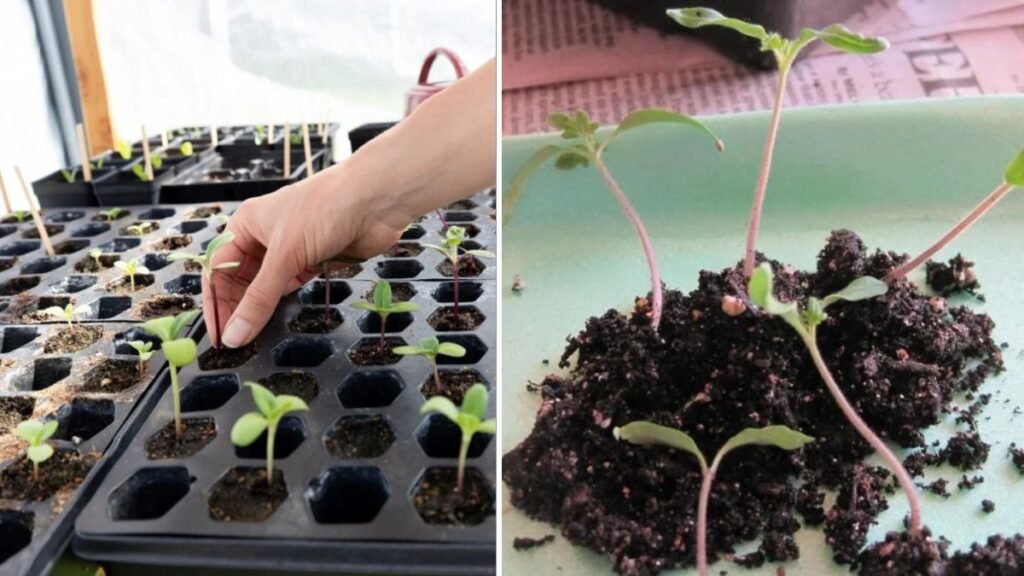
Correct spacing prevents overcrowding. Follow seed packet instructions carefully. Tiny seeds require surface sowing. Larger seeds need deeper planting. Crowded seedlings compete for nutrients. Thin seedlings if necessary. Proper spacing improves airflow. It reduces disease risk. Healthy spacing results in stronger plants.
Protection from Pests and Diseases
Improvised seedbeds still need protection. Cover beds with mesh or netting outdoors. Keep indoor areas clean. Avoid overwatering to prevent fungal growth. Remove weak or diseased seedlings early. Good airflow reduces damping-off disease. Use organic remedies if pests appear. Healthy hygiene keeps seedlings safe.
Hardening Off Seedlings
Before transplanting, seedlings need adjustment. Gradually expose them to outdoor conditions. Start with short outdoor periods. Increase exposure daily. This strengthens plants naturally. Avoid sudden sunlight exposure. Hardening reduces transplant shock. Healthy seedlings adapt faster. Strong roots develop quickly.

Transplanting from Seedbeds
Transplant when seedlings have true leaves. Water seedbeds before removing plants. Gently loosen soil around roots. Avoid damaging root systems. Transplant in the evening or cloudy day. Water immediately after planting. Mulch around transplants. Proper handling ensures survival.
Common Mistakes to Avoid
Overwatering is a frequent mistake. Using heavy soil reduces aeration. Lack of drainage causes root rot. Poor lighting weakens seedlings. Ignoring temperature needs slows growth. Overcrowding increases disease risk. Skipping hardening damages plants. Awareness prevents failures.
Benefits of Improvised Seedbeds
They save money and space. They encourage recycling. Improvised beds are flexible and portable. They allow early planting. Gardeners gain better control. Seed success rates improve. They are beginner-friendly. Sustainable gardening becomes easier.
Improvised Seedbed Material Comparison Table
| Material Type | Drainage Ability | Reusability | Best Use |
|---|---|---|---|
| Plastic Bottles | High | Medium | Small seeds |
| Wooden Boxes | Medium | High | Large batches |
| Trays | High | High | Indoor sowing |
| Buckets | Medium | High | Deep-rooted seeds |
When Improvised Seedbeds Work Best
They are ideal during early seasons. Useful in limited garden space. Perfect for urban homes. Helpful in unpredictable weather. Suitable for experimental planting. Great for seed saving. Beneficial for teaching gardening. Practical for all gardeners.

Sustainability and Eco Benefits
Improvised seedbeds reduce plastic waste. They promote reuse culture. Less dependency on commercial products. Lower carbon footprint. Encourages organic gardening. Saves natural resources. Supports green living. A smart environmental choice.
Conclusion
Improvised seedbeds are practical, affordable, and effective for seed starting. They allow gardeners to grow plants with minimal resources. With proper care, results are impressive. These seedbeds suit beginners and experts alike. They encourage sustainable practices. Using simple materials, anyone can start gardening. Seedlings thrive when given the right environment. Improvised seedbeds truly empower home gardeners.