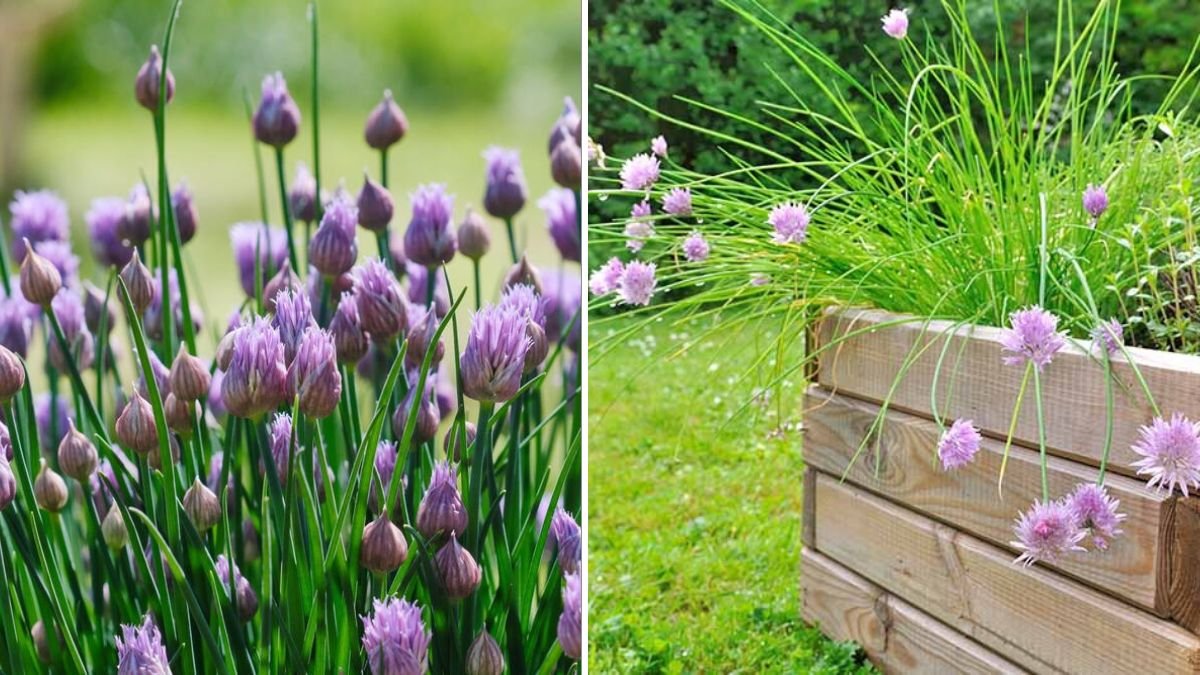
Infinite chives are one of the easiest and most rewarding plants for home gardeners. Once planted correctly, chives continue producing fresh green leaves year after year. Many gardeners love chives because they regrow quickly after cutting. They require minimal space and care compared to other herbs. Chives thrive in gardens, containers, and even indoor setups. Their mild onion flavor makes them popular in cooking. Understanding how to manage regrowth is the key to endless harvests. With proper care, chives truly become a never-ending herb.
What Makes Chives an Infinite Herb
Chives are perennial plants, meaning they return every growing season. Their underground bulb system stores energy for regrowth. When leaves are cut properly, new shoots emerge rapidly. Unlike annual herbs, chives do not die after harvesting. They multiply slowly, forming dense clumps over time. This natural growth habit allows repeated harvesting. Regular cutting actually encourages faster growth. This cycle creates the concept of infinite chives.
Choosing the Right Chive Variety
Selecting the correct chive variety improves long-term production. Common chives have thin hollow leaves and mild flavor. Garlic chives have flat leaves and stronger taste. Both varieties regrow efficiently when maintained well. Climate suitability plays a role in performance. Cold-hardy varieties survive winter easily. Disease-resistant types require less maintenance. Choosing quality seeds or healthy divisions ensures success.
Ideal Growing Conditions for Chives
Chives prefer moderate sunlight for optimal growth. They grow best with four to six hours of sun daily. Partial shade is tolerated, especially in hot climates. Well-draining soil prevents bulb rot. Loose soil encourages healthy root expansion. Good airflow reduces fungal issues. Stable conditions support continuous leaf production. Balanced environments keep chives productive.

Soil Preparation for Long-Term Growth
Healthy soil is essential for infinite chives. Rich, organic soil supports steady nutrient supply. Compost improves soil structure and moisture retention. Avoid heavy clay that traps water. Slightly acidic to neutral soil is ideal. Deep soil preparation allows strong bulb development. Fertile soil reduces the need for frequent fertilization. Proper preparation ensures years of growth.
Latest Posts
- Easy Steps to Successfully Grow Bhindi in Grow Bags at Home
- Easy Steps to Grow a Healthy Guava Bonsai at Home for Beginners
- How to Successfully Grow and Cultivate White Strawberry Plants at Home for Delicious and Unique Fruits
- Ultimate Guide to Successfully Growing Weeping Fig Outdoors with Proven Techniques and Expert Tips
- How to Successfully Grow Flemish Beauty Pear Trees in Canada for Optimal Harvest
- Easy Hack to Grow Strawberries Year Round in Your Home Garden for Delicious Harvests
- Growing Flemish Beauty Pears in Canada A Complete Guide for Local Gardens
- The Ultimate Guide to Growing Hibiscus Plants Year Round for Vibrant Blooms and Healthy Foliage
- Easy Ways to Boost the Growth Rate of Your Indoor Peace Lily for Lush Green Foliage
- How to Successfully Grow Oak Leaf Lettuce in Your Home Garden for Fresh and Flavorful Salads
Planting Chives for Continuous Harvest
Chives can be grown from seeds or divisions. Divisions establish faster and regrow sooner. Space plants properly to avoid overcrowding. Plant bulbs at shallow depth for quick sprouting. Water gently after planting to settle soil. Early care determines future productivity. Healthy planting leads to endless harvesting.
Watering Practices for Infinite Chives
Consistent watering keeps chives productive. Soil should remain slightly moist, not soggy. Overwatering causes root and bulb issues. Underwatering slows leaf growth. Mulching helps retain moisture. Morning watering prevents fungal problems. Even moisture encourages steady regrowth. Proper watering supports continuous harvest.
Fertilization for Perpetual Growth
Chives require light but regular feeding. Excess fertilizer produces weak growth. Organic compost provides slow nutrition. Liquid feeds boost growth during active seasons. Nitrogen supports leafy development. Balanced nutrients prevent stress. Feeding schedules should match growth stages. Correct nutrition keeps chives regenerating.

Table: Basic Care Requirements for Infinite Chives
| Care Factor | Ideal Condition | Purpose | Frequency |
|---|---|---|---|
| Sunlight | Partial to full | Leaf growth | Daily |
| Watering | Even moisture | Prevent stress | Weekly |
| Soil | Rich and loose | Root health | Ongoing |
| Fertilizer | Organic compost | Regrowth | Monthly |
Proper Harvesting Technique
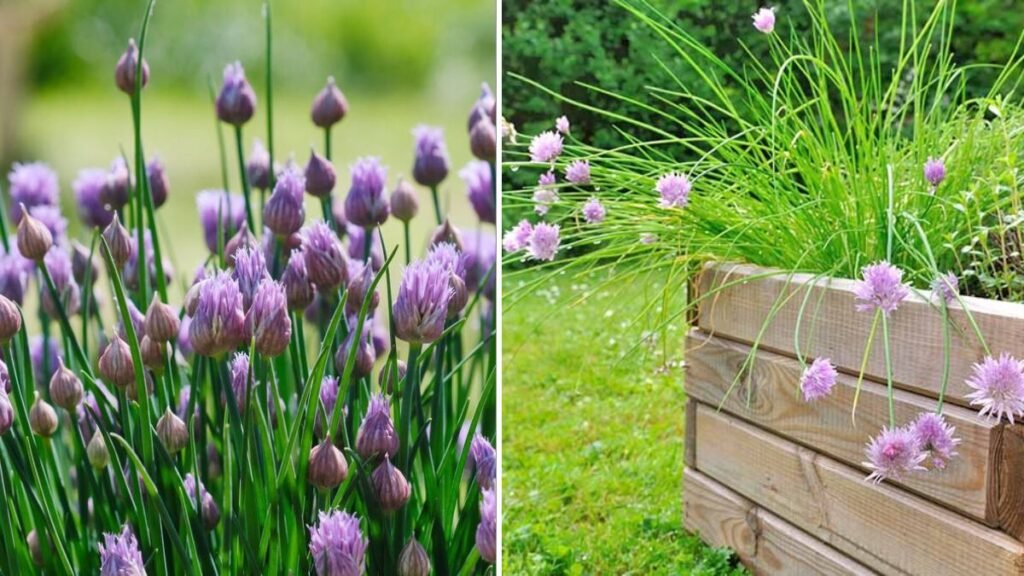
Harvesting technique determines regrowth speed. Always cut chives from the base, not the tips. Avoid removing more than one-third of the plant at once. Clean scissors prevent disease. Frequent light harvesting is better than heavy cutting. Proper cutting encourages new shoots. Harvesting becomes part of the growth cycle. Correct technique ensures infinite supply.
Regrowth Cycle Explained
After cutting, chives redirect energy to new leaves. New shoots appear within days. The bulb system fuels regrowth continuously. Rest periods allow recovery when overharvested. Seasonal changes affect regrowth speed. Understanding the cycle prevents plant exhaustion. Balanced harvesting keeps plants productive. Nature handles regrowth efficiently.
Managing Flowering Without Yield Loss
Chives produce purple flowers naturally. Flowering diverts energy from leaf production. Removing flower stalks increases leaf growth. Flowers are edible and decorative. Allowing some flowers supports pollinators. Controlled flowering balances beauty and yield. Timely removal maintains productivity. Flower management improves harvest quality.
Dividing Chives to Multiply Plants
Chive clumps become dense over time. Division rejuvenates older plants. Dig and separate bulbs carefully. Replant divisions immediately. Dividing improves airflow and growth. This method multiplies plants easily. Division ensures long-term productivity. More plants mean more harvest.

Growing Infinite Chives in Containers
Containers work well for chives. Choose pots with good drainage. Lightweight soil prevents compaction. Container chives need more frequent watering. Adequate sunlight is essential. Indoor containers allow year-round harvesting. Regular trimming maintains size. Containers support infinite growth.
Indoor Chives for Year-Round Supply
Indoor chives provide fresh herbs anytime. Bright windows or grow lights are necessary. Indoor temperatures remain stable. Water carefully to avoid rot. Rotate pots for even growth. Indoor harvesting follows the same rules. Year-round chives increase convenience. Indoor systems extend productivity.
Pest and Disease Resistance
Chives naturally repel many pests. Their strong aroma discourages insects. Occasional aphids may appear. Neem oil provides gentle control. Good airflow prevents disease. Healthy plants resist issues naturally. Minimal intervention is needed. Chives remain low-maintenance.
Seasonal Care and Winter Survival
Chives survive cold winters easily. Leaves die back during frost. Bulbs remain alive underground. Mulching protects roots in harsh climates. Spring brings fresh regrowth. Reduce watering during dormancy. Seasonal care ensures return. Chives adapt well year after year.

Common Mistakes That Stop Regrowth
Overharvesting weakens plants. Poor drainage causes root damage. Ignoring sunlight needs reduces growth. Excess fertilizer causes leaf burn. Crowding limits airflow. Avoiding mistakes ensures success. Awareness improves long-term yield. Simple care prevents problems.
Benefits of Growing Infinite Chives
Chives offer endless fresh flavor. They require minimal space. Maintenance is simple and affordable. Nutritional value is high. Continuous harvest saves money. They enhance garden diversity. Infinite chives reward consistent care. Few herbs offer such value.
Conclusion: Enjoy Endless Chives at Home
Infinite chives are perfect for every gardener. With correct planting and harvesting, regrowth never stops. Balanced care ensures long-term productivity. Minimal effort produces continuous rewards. Chives adapt to many environments. They suit beginners and experts alike. Infinite harvests are achievable. Growing chives becomes effortless joy.