Raised beds are elevated planting boxes. They provide better soil control and drainage. Crops grow faster in loose, fertile soil. Raised beds prevent compaction and improve root development. They are ideal for home gardens. Weeds are easier to manage. Crops are healthier and more productive. Raised beds work in small and large spaces.
Benefits of Raised Bed Gardening
Improved drainage prevents waterlogging. Soil warms faster in spring. Easier weed and pest management. Better soil structure supports root growth. Higher yields compared to ground plots. Efficient use of fertilizers. Comfortable planting reduces bending. Raised beds promote sustainable gardening.
Choosing the Right Location
Select a sunny spot with good drainage. Avoid low-lying areas. Consider wind protection. Ensure accessibility for maintenance. Avoid shaded regions. Proximity to water is beneficial. Space should allow multiple beds. Location impacts growth and productivity.
Materials for Raised Beds
Wood planks are most common. Rot-resistant timber like cedar works best. Bricks, stones, or concrete blocks can be used. Recycled materials are cost-effective. Lining materials prevent soil loss. Use durable fasteners. Soil mix is essential. Material choice affects longevity.

Designing Raised Beds
Width should be manageable for easy reach. Typically one meter wide works well. Height varies from 20 to 60 centimeters. Length depends on space available. Consider walkways between beds. Secure corners for stability. Plan beds according to crops. Proper design ensures efficiency.
Latest Posts
- Easy Steps to Successfully Grow Bhindi in Grow Bags at Home
- Easy Steps to Grow a Healthy Guava Bonsai at Home for Beginners
- How to Successfully Grow and Cultivate White Strawberry Plants at Home for Delicious and Unique Fruits
- Ultimate Guide to Successfully Growing Weeping Fig Outdoors with Proven Techniques and Expert Tips
- How to Successfully Grow Flemish Beauty Pear Trees in Canada for Optimal Harvest
- Easy Hack to Grow Strawberries Year Round in Your Home Garden for Delicious Harvests
- Growing Flemish Beauty Pears in Canada A Complete Guide for Local Gardens
- The Ultimate Guide to Growing Hibiscus Plants Year Round for Vibrant Blooms and Healthy Foliage
- Easy Ways to Boost the Growth Rate of Your Indoor Peace Lily for Lush Green Foliage
- How to Successfully Grow Oak Leaf Lettuce in Your Home Garden for Fresh and Flavorful Salads
Preparing Soil for Raised Beds
Use fertile, loose soil. Mix compost and garden soil. Add perlite or sand for drainage. Avoid heavy clay or compacted soil. Nutrients must be balanced. Soil should retain moisture but not become soggy. Proper preparation boosts root growth. Healthy soil ensures better yields.
Plant Selection for Raised Beds
Vegetables like lettuce, carrots, and tomatoes thrive. Herbs and flowers work well. Avoid deep-rooted crops if bed depth is shallow. Choose seasonal crops for staggered harvest. Crop rotation prevents soil depletion. Companion planting improves yield. Select plants based on bed size.
Planting Techniques
Plant seeds or seedlings carefully. Space plants according to type. Sow shallow-rooted crops closely. Deeper crops need spacing for expansion. Water lightly after planting. Gentle handling prevents transplant shock. Correct planting ensures healthy establishment.

Watering Raised Beds
Water evenly across the bed. Early morning watering reduces evaporation. Mulch helps retain moisture. Avoid waterlogging. Drip irrigation can improve efficiency. Check moisture levels regularly. Proper watering enhances yield.
Sunlight Requirements
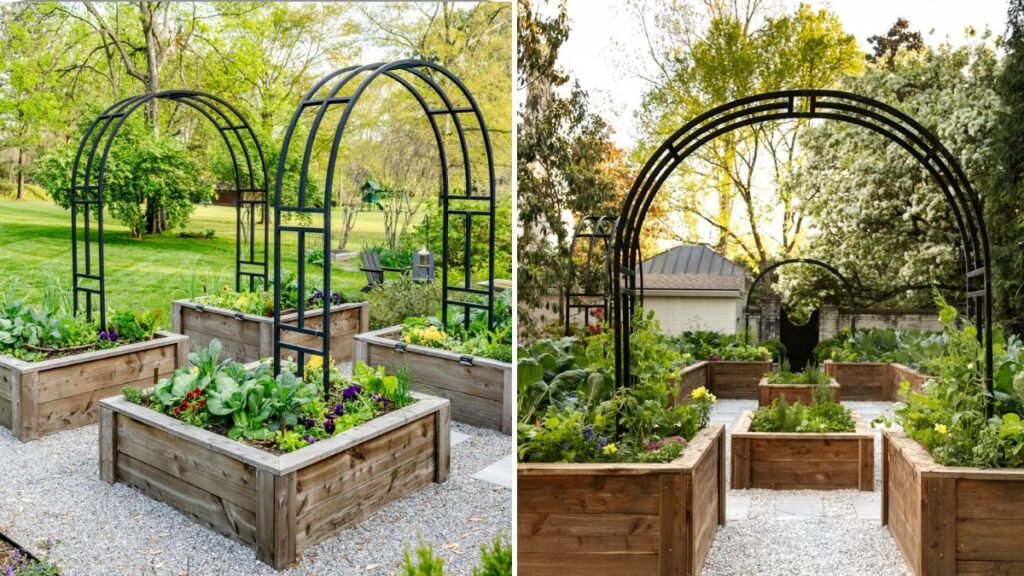
Most vegetables require full sun. Some leafy crops tolerate partial shade. Observe sun patterns in your garden. Adjust bed orientation accordingly. Ensure airflow to prevent fungal growth. Sunlight intensity impacts flavor and growth.
Fertilizing Crops
Use compost or organic fertilizer. Apply evenly across beds. Avoid overfertilization that damages plants. Feed during early growth stages. Maintain nutrient balance. Fertilizers enhance productivity. Observe plant response for adjustments.
Weed Management
Raised beds reduce weeds naturally. Mulching prevents new growth. Hand-pulling is easier. Avoid deep cultivation that disturbs roots. Monitor bed edges. Early removal ensures minimal competition. Healthy plants dominate.

Pest Control
Inspect crops regularly. Encourage beneficial insects. Use organic sprays if needed. Raised beds allow easier access for treatments. Proper spacing reduces pest spread. Maintain hygiene around beds. Early intervention prevents damage.
Crop Rotation
Avoid planting same crops consecutively. Rotate legumes with leafy crops. Rotation improves soil fertility. Reduces pests and disease buildup. Plan rotation yearly. Maintain diversity for healthy soil.
Pruning and Maintenance
Remove dead or diseased foliage. Thin crowded plants. Maintain airflow and light penetration. Clean tools prevent infections. Regular monitoring improves health. Proper care maximizes yields.
Harvesting Crops
Harvest when vegetables are mature. Pick gently to avoid damage. Frequent harvesting encourages continuous production. Morning harvest gives best flavor. Avoid leaving overripe crops. Timely harvest maintains productivity.

Seasonal Care
Adjust watering, mulching, and fertilizing according to season. Protect beds from frost in winter. Increase water during summer. Seasonal care ensures survival. Observe weather patterns. Seasonal adjustments improve yields.
Common Mistakes
Poor soil preparation reduces yield. Crowding limits airflow. Overwatering causes root rot. Ignoring pests reduces productivity. Learning prevents failures. Proper planning ensures success.
Raised Bed Summary Table
| Aspect | Recommendation | Benefit |
| Material | Wood, stone, or recycled | Durable and stable |
| Soil | Loose, fertile mix | Healthy roots |
| Watering | Even and consistent | Prevents stress |
| Sun | Full sun exposure | Optimal growth |
| Maintenance | Mulch and weed | Higher yield |