1. Introduction
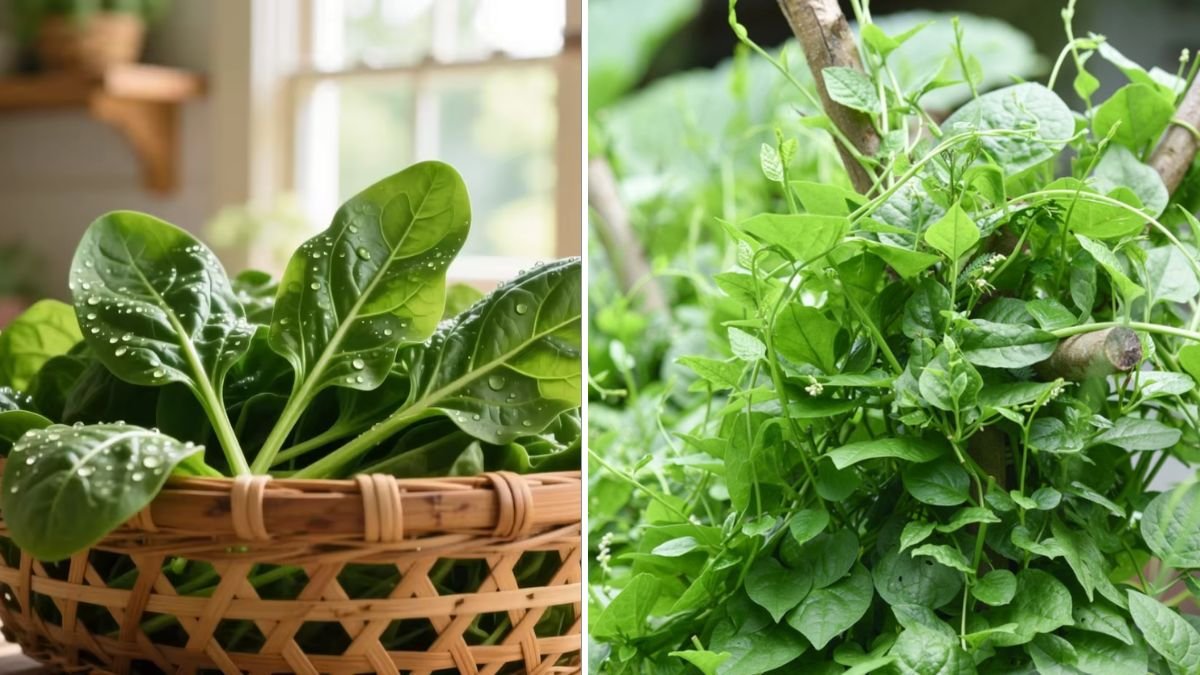
Malabar spinach is one of the easiest and fastest leafy greens to grow at home. Many gardeners are surprised by how much it can produce in a small space. With the right techniques, harvesting a super large basket becomes completely possible. This heat-loving plant thrives where other greens struggle. It grows vigorously with minimal care. Even beginners can enjoy impressive results. Fresh Malabar spinach tastes better than store-bought greens. This article explains how I achieved a huge harvest. Every step is simple and practical. Anyone can follow this method successfully.
2. Why Malabar Spinach Grows So Prolifically
Malabar spinach is naturally a fast grower. It develops thick stems and large leaves quickly. Warm temperatures accelerate its growth. The plant continues producing leaves after each harvest. Unlike regular spinach, it resists bolting. Its climbing nature allows vertical expansion. This leads to more leaf production. Proper care multiplies yield rapidly. The plant thrives with basic attention. Understanding its growth habit is key.
3. Choosing the Right Growing Location
Malabar spinach loves sunlight and warmth. Choose a location with at least six hours of sun. Balconies, terraces, and backyards all work well. Vertical space enhances growth potential. Avoid shaded, damp areas. Good airflow prevents disease. Containers or ground planting both succeed. Location influences leaf size and thickness. Bright environments boost production. Placement plays a major role in harvest size.
4. Selecting Containers or Ground Beds
Both containers and ground beds suit Malabar spinach. Large pots support strong root systems. Grow bags work well for balconies. Ground beds allow wider vine spread. Drainage is essential in containers. Raised beds warm up faster. Containers give better control over soil quality. Either method can produce huge yields. Choice depends on available space. Proper setup ensures success.
5. Preparing the Best Soil Mix
Malabar spinach prefers rich, loose soil. A mix of garden soil, compost, and cocopeat works best. Compost fuels rapid leaf growth. Loose soil allows easy root expansion. Soil should retain moisture without waterlogging. Slightly acidic to neutral soil is ideal. Avoid compacted soil. Healthy soil leads to thick, tender leaves. Soil quality directly affects harvest size. Preparation is essential.
Latest Posts
- Easy Steps to Successfully Grow Bhindi in Grow Bags at Home
- Easy Steps to Grow a Healthy Guava Bonsai at Home for Beginners
- How to Successfully Grow and Cultivate White Strawberry Plants at Home for Delicious and Unique Fruits
- Ultimate Guide to Successfully Growing Weeping Fig Outdoors with Proven Techniques and Expert Tips
- How to Successfully Grow Flemish Beauty Pear Trees in Canada for Optimal Harvest
- Easy Hack to Grow Strawberries Year Round in Your Home Garden for Delicious Harvests
- Growing Flemish Beauty Pears in Canada A Complete Guide for Local Gardens
- The Ultimate Guide to Growing Hibiscus Plants Year Round for Vibrant Blooms and Healthy Foliage
- Easy Ways to Boost the Growth Rate of Your Indoor Peace Lily for Lush Green Foliage
- How to Successfully Grow Oak Leaf Lettuce in Your Home Garden for Fresh and Flavorful Salads
6. Seed Selection and Germination
High-quality seeds ensure strong plants. Soak seeds overnight to speed germination. Warm soil encourages faster sprouting. Sow seeds shallowly. Keep soil consistently moist. Germination usually occurs within one to two weeks. Healthy seedlings grow vigorously. Avoid overcrowding young plants. Good starts guarantee strong vines. Seed care matters greatly.
7. Transplanting Young Seedlings
Transplant when seedlings have multiple true leaves. Handle roots gently to avoid damage. Space plants properly for airflow. Water immediately after transplanting. Provide light shade initially. Strong establishment leads to faster growth. Avoid transplant shock through gentle care. Healthy transplants grow aggressively. Timing affects productivity. Careful transplanting improves yield.
8. Sunlight Requirements
Malabar spinach thrives in full sun. Six to eight hours daily is ideal. Morning sunlight boosts leaf production. Containers can be moved for better exposure. Insufficient sunlight reduces growth speed. Bright light enhances leaf thickness. Sunlight drives photosynthesis. Proper exposure ensures rapid harvest. Light management is critical. More sun means more leaves.

9. Watering Techniques
Consistent moisture is essential for lush growth. Water regularly but avoid waterlogging. Containers dry faster than ground beds. Morning watering reduces disease risk. Mulching helps retain moisture. Irregular watering causes tough leaves. Balanced moisture produces tender greens. Overwatering harms roots. Proper hydration boosts yield. Consistency is key.
10. Fertilizing for Massive Leaf Growth
Malabar spinach responds well to feeding. Nitrogen-rich compost encourages leafy growth. Liquid organic fertilizer works effectively. Feed every two weeks. Avoid excessive chemical fertilizers. Balanced nutrition prevents weak stems. Compost tea enhances soil life. Proper feeding multiplies leaf production. Fertilization timing matters. Healthy feeding equals bigger harvests.
11. Supporting Climbing Vines
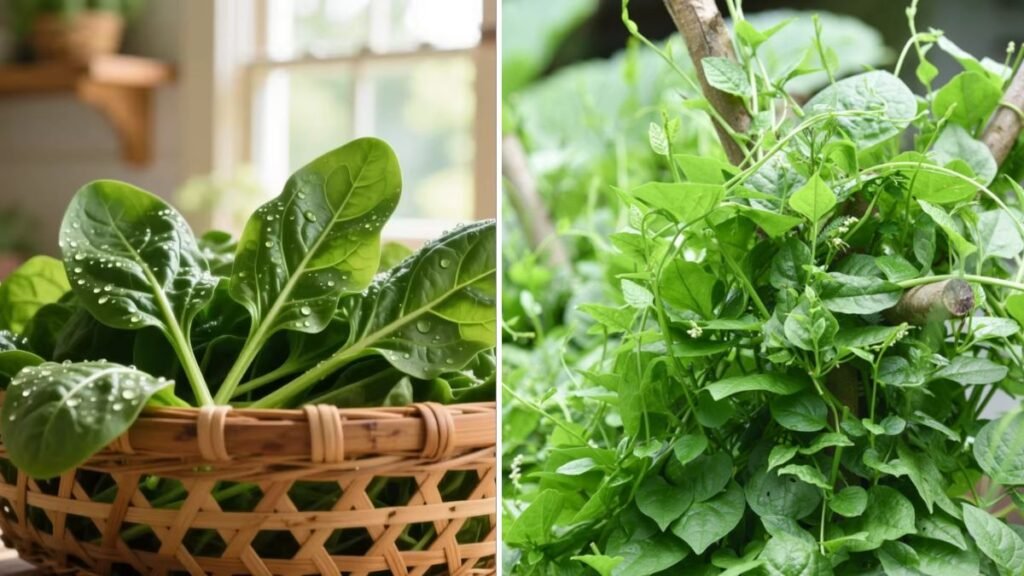
Malabar spinach is a climber. Trellises, nets, or bamboo supports work well. Vertical growth saves space. Supported vines receive more sunlight. Leaves remain clean and healthy. Good airflow reduces disease. Support increases leaf density. Upright growth improves harvesting ease. Strong structures prevent damage. Support is essential.
12. Pruning and Harvesting Strategy
Regular harvesting encourages new growth. Cut mature leaves without damaging stems. Avoid removing all leaves at once. Pruning redirects energy to new shoots. Continuous harvesting keeps plants productive. Sharp tools prevent injury. Proper technique extends harvest period. Pruning improves yield quality. Gentle handling preserves plant health. Harvest smartly.

13. Pest Management
Malabar spinach faces few pests. Occasional aphids may appear. Neem oil works effectively. Inspect plants weekly. Remove affected leaves promptly. Good airflow prevents infestations. Healthy plants resist pests naturally. Organic methods are safe. Prevention is better than cure. Clean gardening practices help.
14. Disease Prevention
Well-drained soil prevents fungal problems. Avoid overhead watering. Remove yellowing leaves. Maintain spacing for airflow. Clean tools reduce disease spread. Healthy soil supports strong plants. Early detection prevents losses. Disease control protects harvest. Simple habits keep plants healthy. Prevention ensures success.
15. Rapid Regrowth After Harvest
Malabar spinach regrows quickly. New shoots appear within days. Regular feeding supports regrowth. Consistent watering speeds recovery. Warm weather accelerates production. Avoid stressing plants. Regrowth allows frequent harvesting. This leads to huge baskets of greens. Continuous care maximizes output. Patience rewards gardeners.
16. Seasonal Growing Tips
Malabar spinach thrives in warm seasons. It tolerates high heat well. Protect from frost in cold weather. Grow longer during summer. Adjust watering based on temperature. Containers allow easy seasonal movement. Seasonal awareness improves yield. Climate affects growth speed. Proper timing ensures abundance. Adaptation is key.

17. Yield Expectations
One plant can produce a surprising amount. Multiple harvests are possible. Vertical growth multiplies yield. Small spaces produce large baskets. Consistent care boosts output. Productivity improves with experience. Gardeners are often amazed. Harvest size increases over time. Proper methods deliver abundance. Results exceed expectations.
18. Common Mistakes to Avoid
Overwatering leads to root rot. Poor sunlight slows growth. Skipping harvesting reduces productivity. Heavy pruning weakens plants. Ignoring pests causes damage. Poor soil limits yield. Avoid overcrowding. Awareness prevents failure. Simple care avoids problems. Knowledge ensures success.
19. Malabar Spinach Growing Table
| Item | Purpose | Benefit |
|---|---|---|
| Malabar spinach seeds | Planting | Fast growth |
| Compost | Nutrition | Large leaves |
| Trellis | Support | Vertical yield |
| Watering can | Care | Consistent moisture |
| Neem oil | Pest control | Organic protection |
20. Conclusion
Harvesting a super large basket of Malabar spinach is completely achievable. This plant rewards even basic care generously. With proper soil, sunlight, and harvesting techniques, yields multiply rapidly. Vertical growth saves space and increases production. Home-grown greens are healthier and fresher. Continuous harvesting ensures constant supply. Even beginners can succeed easily. Malabar spinach proves that abundance is possible in small spaces. Gardening becomes satisfying and productive. Big harvests start with smart planning.