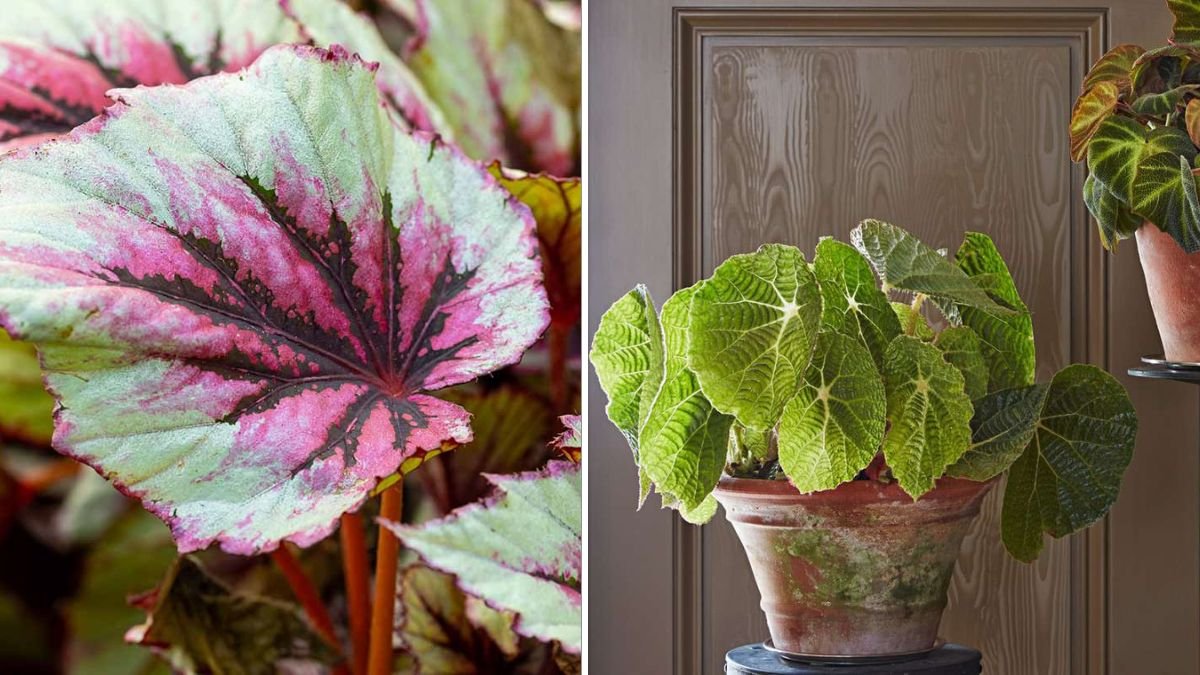
Growing lush, green begonias indoors doesn’t have to be a difficult or time-consuming endeavor. These beautiful plants, known for their stunning foliage and vibrant blooms, can thrive in your home with minimal effort if you understand their needs and follow a few easy hacks. In this article, we’ll explore the best practices to cultivate healthy begonias indoors, while also highlighting common challenges and FAQs to help you on your journey.
Understanding Begonias
Begonias belong to the family Begoniaceae and come in over 1,800 species, making them one of the most diverse groups of flowering plants. They are native to tropical and subtropical regions, which means they thrive in warm, humid conditions. Other than their flowers, the dramatic foliage of certain begonia varieties—such as Rex begonias and angel-wing begonias—is a major draw for indoor plant enthusiasts.
Latest Posts
- Easy Steps to Successfully Grow Bhindi in Grow Bags at Home
- Easy Steps to Grow a Healthy Guava Bonsai at Home for Beginners
- How to Successfully Grow and Cultivate White Strawberry Plants at Home for Delicious and Unique Fruits
- Ultimate Guide to Successfully Growing Weeping Fig Outdoors with Proven Techniques and Expert Tips
- How to Successfully Grow Flemish Beauty Pear Trees in Canada for Optimal Harvest
- Easy Hack to Grow Strawberries Year Round in Your Home Garden for Delicious Harvests
- Growing Flemish Beauty Pears in Canada A Complete Guide for Local Gardens
- The Ultimate Guide to Growing Hibiscus Plants Year Round for Vibrant Blooms and Healthy Foliage
- Easy Ways to Boost the Growth Rate of Your Indoor Peace Lily for Lush Green Foliage
- How to Successfully Grow Oak Leaf Lettuce in Your Home Garden for Fresh and Flavorful Salads
Why Choose Begonias?
- Variety: With so many species and hybrids, there’s a begonia for every taste and space.
- Low Maintenance: Once established, begonias are relatively easy to care for.
- Air Purification: Like many houseplants, begonias can help improve indoor air quality.
Now, let’s delve into the specific hacks that can help you grow these stunning plants with minimal effort.
Easy Hacks for Growing Lush Green Leaves
1. Choosing the Right Variety
Selecting the right begonia variety is crucial for success. Some of the most popular indoor varieties include:
- Rex Begonias: Known for their colorful, textured leaves.
- Wax Begonias: Hardy and blooming, ideal for lower light environments.
- Angel-Wing Begonias: Recognizable by their wing-shaped leaves and tall stature.
Choose a variety that suits your indoor lighting conditions and aesthetics.
2. Optimal Container and Soil
The right container can make a significant difference in the health of your begonias. Here are a few tips:
- Drainage: Ensure your pot has drainage holes to prevent waterlogging.
- Size: Choose a pot only slightly larger than the root ball, as begonias prefer to be somewhat root-bound.
- Soil: Use a well-draining potting mix, ideally supplemented with perlite or orchid bark to enhance aeration. A mix specifically designed for begonias is even better.
3. Light Requirements
Begonias thrive in bright, indirect light. Here’s how to achieve that:
- Location: Place your begonias near a window that receives filtered sunlight. East or west-facing windows are typically ideal.
- Artificial Light: If natural light is scarce, consider using grow lights. Position them about 12-24 inches above the plants.
4. Water Wisely
Watering is one of the most critical aspects of begonia care. Overwatering can lead to root rot, while underwatering can cause leaves to wilt. Here are some simple hacks for proper watering:
- Check Soil Moisture: Stick your finger about an inch into the soil. If it feels dry, it’s time to water.
- Watering Schedule: Generally, water your begonias once a week, but this may vary based on your indoor climate. In the winter months, reduce watering.
5. Humidity Matters
Begonias love humidity, and maintaining an appropriate level is key to growing healthy leaves. Here are some easy methods to increase humidity indoors:
- Pebble Trays: Place a tray filled with water and pebbles beneath your pots. As the water evaporates, it increases humidity around the plant.
- Grouping Plants: Cluster your begonias with other humidity-loving plants to create a microenvironment.
- Misting: Occasionally mist the leaves with water, especially in drier seasons.
6. Fertilization Tips
While begonias are not heavy feeders, regular fertilization can promote lush foliage. Here’s how to fertilize effectively:
- Type of Fertilizer: Use a balanced, liquid fertilizer or one formulated for houseplants, diluted to half strength.
- Frequency: Fertilize every 4-6 weeks during the growing season (spring through summer). Reduce feeding in the fall and winter.

7. Pruning for Health
Regular pruning helps in maintaining the shape of your begonias and removing any unhealthy leaves. Here’s how to do it simply:
- Tools: Use clean, sharp scissors or pruning shears.
- Frequency: Inspect your plants every few weeks and remove any yellowing or dead leaves.
- Shape Maintenance: Prune leggy growth to encourage bushier plants.
8. Pest Control
Keeping your begonias pest-free is essential for their vitality. Here are some easy preventive measures:
- Regular Inspections: Check the undersides of leaves regularly for signs of pests like aphids, spider mites, or mealybugs.
- Natural Remedies: If you spot pests, a gentle wash with soapy water can often eliminate them. Neem oil is another effective, natural solution.
9. Repotting
As your begonias grow, they may require repotting. The best time to repot is in spring:
- When to Repot: Signs include roots growing from the drainage holes or if the soil dries out too quickly after watering.
- Steps: Gently remove the plant from its pot, shake off excess soil, and place it in a slightly larger pot with fresh soil.

10. Seasonal Care
Begonias require different care depending on the season:
- Spring/Summer: Focus on watering, fertilization, and exposure to bright light.
- Fall/Winter: Reduce watering and fertilization; keep them in a well-lit area away from cold drafts.
FAQs
1. How often should I water my begonias?
Water your begonias when the top inch of soil feels dry, usually once a week. Adjust based on humidity and temperature.
2. Can I grow begonias in low light?
While some varieties can tolerate low light, most prefer bright, indirect light. If your space lacks natural light, consider using grow lights.
3. Why are the leaves on my begonia turning yellow?
Yellowing leaves can indicate overwatering, nutrient deficiencies, or insufficient light. Check the watering schedule and light conditions.

4. How can I increase humidity for my begonias?
Increase humidity by using pebble trays, grouping plants together, or misting the leaves periodically.
5. Are begonias toxic to pets?
Some varieties of begonias can be toxic to pets if ingested. Always check the specific type of begonia and consult your veterinarian if necessary.
6. When should I fertilize my begonias?
Fertilize every 4-6 weeks during the growing season (spring and summer). Reduce or stop fertilizing in the fall and winter.
7. How can I propagate begonias?
You can propagate begonias through leaf cuttings or division. For leaf cuttings, place the leaf in water or soil until roots develop.
8. Can I use regular potting soil for begonias?
While you can use regular potting soil, it’s best to use a well-draining mix or amend it with perlite or orchid bark to ensure good drainage.
Conclusion
Growing lush green begonias indoors can be a rewarding experience, all while requiring minimal effort with the right hacks. By choosing the right variety, providing optimal care, and being attentive to their needs, you can cultivate beautiful begonias that enhance your indoor space. With the tips provided in this article, you can become a confident begonia grower, enjoying the vibrant beauty of this versatile plant for years to come. Happy gardening!