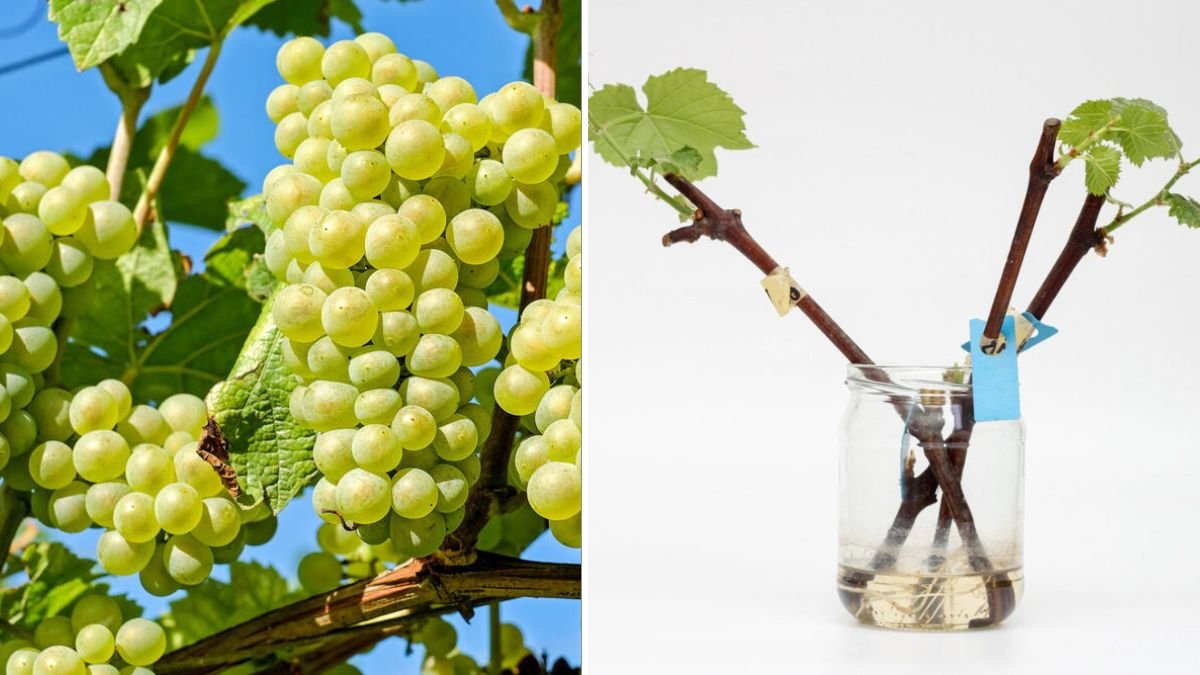
Growing grapes from cuttings is a rewarding venture for both novice gardeners and experienced horticulturists. With the right techniques, one can propagate a vine that will bear fruit and enhance any garden or landscape. This comprehensive guide explores effective methods for rooting grape cuttings, ensuring healthy plants, and addressing common challenges.
Understanding Grapes
Types of Grapes
Grapes can be classified into two main categories:
- Table Grapes: Eaten fresh with smooth skins and high moisture content, ideal for snacking.
- Vinifera Grapes: Known for their use in winemaking, these varieties tend to have thicker skins and complex flavors.
Ideal Growing Conditions
Grapes thrive in full sun (at least 6 to 8 hours per day), well-drained soil, and a climate with warm summers. The ideal pH for grapevine growth is between 5.5 and 7.0, and they prefer slightly dry conditions, as excessive moisture can lead to disease.
Preparing to Grow Grapes from Cuttings
Selecting the Right Variety
Choose a grape variety suited to your local climate. Some recommended varietals include Concord, Thompson Seedless, and Cabernet Sauvignon. Consider the purpose of your grapes—whether for fresh eating, juice, or wine.
Timing
The best time to take cuttings is during late winter or early spring, when the vines are dormant. This is typically between January and March, depending on your geographical location.
Latest Posts
- Easy Steps to Successfully Grow Bhindi in Grow Bags at Home
- Easy Steps to Grow a Healthy Guava Bonsai at Home for Beginners
- How to Successfully Grow and Cultivate White Strawberry Plants at Home for Delicious and Unique Fruits
- Ultimate Guide to Successfully Growing Weeping Fig Outdoors with Proven Techniques and Expert Tips
- How to Successfully Grow Flemish Beauty Pear Trees in Canada for Optimal Harvest
- Easy Hack to Grow Strawberries Year Round in Your Home Garden for Delicious Harvests
- Growing Flemish Beauty Pears in Canada A Complete Guide for Local Gardens
- The Ultimate Guide to Growing Hibiscus Plants Year Round for Vibrant Blooms and Healthy Foliage
- Easy Ways to Boost the Growth Rate of Your Indoor Peace Lily for Lush Green Foliage
- How to Successfully Grow Oak Leaf Lettuce in Your Home Garden for Fresh and Flavorful Salads
Tools Required
Gather the following supplies before you begin:
- Sharp, clean pruning shears
- Rooting hormone (optional)
- Planting pots or trays
- Well-draining potting mix
- Clear plastic bags or humidity domes
- Labels and marker
Step-by-Step Guide to Growing Grapes from Cuttings
Step 1: Taking Cuttings
- Select Healthy Vines: Choose mature, disease-free vines from existing grape plants.
- Cutting Preparation: Look for one-year-old stems that are about the thickness of a pencil. Make a clean cut about 6 to 8 inches long, ensuring it has at least three buds. Cut the cutting at a slight angle.
- Lower and Upper Cuts:
- Cut the bottom below a node (bud).
- Trim the top just above a node.
Step 2: Preparing the Cuttings
- Remove Leaves: Strip off any leaves from the lower half of the cutting, leaving a few leaves at the top to facilitate photosynthesis.
- Rooting Hormone (Optional): Dip the bottom end in rooting hormone to encourage faster root development.
Step 3: Planting the Cuttings
- Soil Preparation: Fill pots or trays with well-draining potting mix. You can create a mix by combining potting soil with sand or perlite for better drainage.
- Planting: Make a hole in the soil with your finger or a stick and insert the cutting about 2 to 3 inches deep. Firmly pack the soil around it to eliminate air pockets.
- Watering: Water the cuttings well after planting to settle the soil. Ensure the soil stays moist but not soggy.
Step 4: Creating a Humid Environment
To promote rooting, create a humidity dome by:
- Covering the pots with clear plastic bags or using a humidity dome. This traps moisture and keeps the air around the cuttings humid.
- Ensure the covered cuttings receive indirect sunlight—direct sun can overheat and damage them.
Step 5: Caring for Your Cuttings
- Temperature: Ideal rooting temperatures are between 70°F and 75°F. Monitor the temperature to avoid extreme fluctuations.
- Watering: Check the moisture levels regularly. Keep the soil consistently moist, but avoid waterlogging.
- Ventilation: Remove the plastic cover occasionally to provide fresh air and reduce mold growth.
Step 6: Monitoring Growth
After about 3 to 4 weeks, roots should begin to develop. You can check by gently tugging on the cuttings; if there is resistance, roots have formed.

Step 7: Transplanting
Once the cuttings have established a robust root system, they can be transplanted to larger pots or directly into the garden.
- Choose a location with plenty of sun and space for the vines to grow.
- Dig a hole large enough to accommodate the roots without bending them.
- Plant the young vines at the same depth they were growing in their starter pots.
- Water thoroughly and apply a layer of mulch to conserve moisture.
Common Challenges and Solutions
Diseases
Grapes can fall victim to diseases such as powdery mildew and downy mildew. Prevent by ensuring good air circulation and applying fungicides as necessary.
Pests
Watch for common pests like aphids or grape rootworms. Natural solutions include introducing beneficial insects or using insecticidal soap.
Environmental Stress
Grapes are sensitive to extreme weather. Protect young vines from frost and ensure adequate mulch during dry spells.

Conclusion
Growing grapes from cuttings requires little more than patience, care, and attention to detail. By following the steps outlined in this guide, you can successfully grow your own grapevines while enjoying the satisfaction that comes from cultivating your food. Whether you aim for fresh table grapes or plans for winemaking, the journey begins with those initial cuttings.
FAQs
1. Can I grow grapes indoors?
Yes, grapes can be grown indoors, provided they receive sufficient light (ideally via grow lights) and are kept in a suitable container with adequate drainage.
2. How long does it take for grape cuttings to root?
It typically takes 3 to 6 weeks for grape cuttings to establish roots, depending on conditions such as temperature and humidity.
3. Do I need to use rooting hormone?
While rooting hormone can enhance the chances of successful rooting, many grape cuttings will root without it. Experiment with and without to see what works best for you.

4. What is the best soil mix for grape cuttings?
A mix of potting soil with sand or perlite for drainage is ideal for grape cuttings, enabling healthy root development.
5. How can I tell if my grape plant is healthy?
Healthy grape plants will have vibrant green leaves, sturdy stems, and a good root structure. Watch for signs of wilting, discoloration, or weak growth, which may indicate underlying issues.
By understanding the principles outlined in this guide, you can embark on the satisfying journey of growing grapes from cuttings, ensuring a fruitful yield for years to come. Happy gardening!