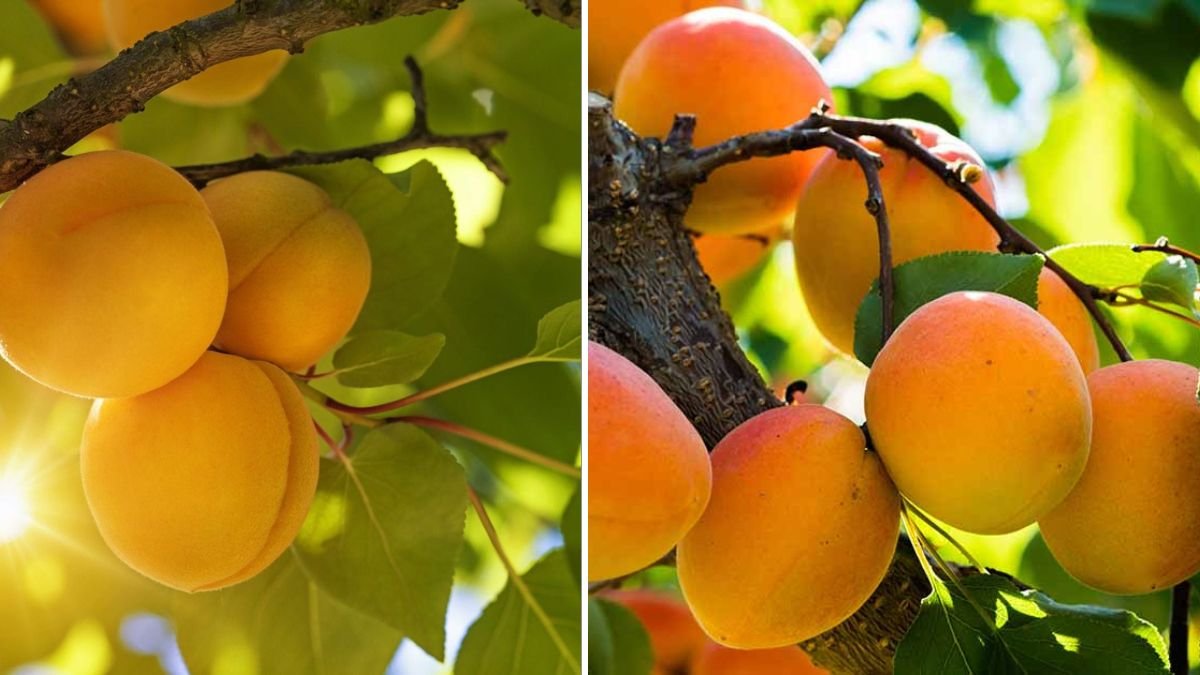
Growing apricots in cold climates can be challenging, but with the right strategies, it is certainly achievable. Apricots thrive in warm, temperate regions, yet many gardeners in colder areas dream of cultivating these delicious fruits. Here, we will explore the best practices for successfully growing apricots in cold climates, covering everything from selecting suitable varieties to planting, caring, and harvesting your trees.
Understanding Apricot Varieties
One of the first steps in successfully growing apricots in colder regions is choosing the right variety. Some apricot varieties are more suited for cooler climates than others. Here are a few to consider:
Latest Posts
- Easy Steps to Successfully Grow Bhindi in Grow Bags at Home
- Easy Steps to Grow a Healthy Guava Bonsai at Home for Beginners
- How to Successfully Grow and Cultivate White Strawberry Plants at Home for Delicious and Unique Fruits
- Ultimate Guide to Successfully Growing Weeping Fig Outdoors with Proven Techniques and Expert Tips
- How to Successfully Grow Flemish Beauty Pear Trees in Canada for Optimal Harvest
- Easy Hack to Grow Strawberries Year Round in Your Home Garden for Delicious Harvests
- Growing Flemish Beauty Pears in Canada A Complete Guide for Local Gardens
- The Ultimate Guide to Growing Hibiscus Plants Year Round for Vibrant Blooms and Healthy Foliage
- Easy Ways to Boost the Growth Rate of Your Indoor Peace Lily for Lush Green Foliage
- How to Successfully Grow Oak Leaf Lettuce in Your Home Garden for Fresh and Flavorful Salads
-
Hardy Varieties:
- Moorpark: A popular choice, known for its large fruits and sweet flavor. It is moderately cold-hardy.
- Tilton: Another excellent variety for colder areas, it has good flavor and is relatively frost-resistant.
- Harcot: This variety is known for its excellent taste and resilience in cold conditions.
-
Low Chill Varieties:
- Katy: Requires fewer chill hours, making it ideal for areas with milder winters.
- Gold Kist: This variety can tolerate some colder temperatures and still produce fruit in cool climates.
Selecting the right variety is crucial, as it sets the foundation for successful healthy growth in a colder climate.
Planting Time and Location

Best Planting Time
Planting apricot trees is best done in early spring after the last frost, or in late winter when the trees are dormant. This timing allows the roots to establish before the growing season begins.
Optimal Location
Choose a location that provides:
- Full Sunlight: Apricots require at least 6-8 hours of sunlight daily. Selecting a south-facing slope can help maximize sun exposure.
- Well-Drained Soil: Apricots are sensitive to root rot, so ensuring good drainage is vital. Sandy loam soils are ideal.
- Protection from Wind: Cold winds can damage blossoms and young fruit. Consider planting the trees near a windbreak or fence.
Soil Preparation
Prior to planting, it’s essential to prepare the soil adequately. Here are some steps to achieve this:
- Testing Soil pH: Apricots prefer slightly acidic to neutral soil (pH 6.0 to 7.0). Conduct a soil test and amend it if necessary.
- Enriching Soil: Incorporate organic material such as compost or well-rotted manure to improve nutrient content and drainage capabilities.
- Tilling: Tilling the soil to a depth of 12 to 18 inches ensures that nutrients are evenly distributed.
Planting Your Apricot Trees
When planting apricot trees, follow these steps:
- Digging the Hole: The hole should be wider than the root ball but not deeper than the tree’s roots.
- Positioning the Tree: Place the tree in the center of the hole, ensuring that the graft union (the swollen area where the tree was grafted) is above soil level.
- Backfilling: Fill in the hole with soil while gently tamping it down to eliminate air pockets.
- Watering: Water the tree thoroughly after planting to help settle the soil.

Pruning and Training
Pruning is vital for maintaining healthy apricot trees, especially in colder climates. Here’s how to prune effectively:
Timing
Prune apricot trees in late winter or early spring while they are still dormant, which reduces the risk of disease and encourages new growth.
Techniques
- Remove Dead or Diseased Wood: This promotes healthy growth and improves air circulation.
- Thin Out the Center: Ensuring a good air flow within the tree decreases the risk of disease.
- Shape the Tree: A central leader form is generally effective. Aim to maintain a strong framework of branches.
Winter Protection
In colder climates, protecting apricot trees during the winter months is critical.
Mulching
Applying a layer of mulch around the base of the tree can help insulate the roots and retain moisture. Use organic materials like wood chips or straw.

Wrapping Trunks
Wrap tree trunks with burlap or tree wrap to protect against severe temperature fluctuations and sunscald. This is especially important for young trees.
Covering Blooms
If a late frost threatens to damage blooms, covering the trees with frost cloth can provide extra protection.
Fertilization
Proper fertilization is essential for healthy growth. Here are some tips:
- Nutrient Analysis: Conduct a soil test to determine current nutrient levels.
- Organic Fertilizers: Use balanced fertilizers, applying them in early spring to support growth.
- Avoid Over-fertilization: Too much nitrogen can lead to excessive foliage growth at the expense of fruit production.
Watering
While apricot trees are relatively drought-tolerant, adequate watering is essential, especially during dry spells. Here’s what to keep in mind:
- Deep Watering: Water deeply but infrequently to encourage deep root growth.
- Avoid Waterlogging: Ensure good drainage to prevent root rot.
- Monitor Soil Moisture: Use mulch to retain moisture and check that the soil is damp but not soggy.
Pest and Disease Management

Even in cold climates, apricot trees can be susceptible to some pests and diseases. Here are ways to manage them:
Common Pests
- Aphids: Control them with neem oil or insecticidal soap.
- Fruit Flies: Use traps or cover fruits with mesh bags to protect them from infestations.
Common Diseases
- Brown Rot: Practicing good hygiene by cleaning fallen fruit can help reduce the spread of this fungus.
- Fungal Infections: Applying fungicides during wet periods can also help mitigate disease.
Harvesting
Apricots are usually ready for harvest in mid to late summer, depending on the variety. Here’s how to know when they’re ready:
- Color Change: Watch for a change from green to yellow or orange.
- Firmness: They should be slightly soft to the touch but not mushy.
- Taste Test: The best way to judge ripeness is to taste a fruit!
Harvesting Techniques
- Gentle Picking: Twist the fruit gently to avoid damage.
- Timing: Harvest in the morning when temperatures are cooler to preserve quality.

FAQs
1. Can apricots survive in sub-zero temperatures?
While apricots are not naturally suited to very cold climates, selecting hardy varieties and providing winter protection can help them survive in sub-zero temperatures.
2. How long does it take for apricot trees to bear fruit?
Typically, apricot trees start producing fruit 3-4 years after planting. However, some care and conditions can expedite this process.
3. What is the best fertilizer for apricot trees?
A balanced fertilizer with equal parts nitrogen, phosphorus, and potassium is generally recommended. Organic options can also be effective.
4. Do apricot trees require cross-pollination?
Many apricot varieties are self-pollinating, but planting another compatible variety can enhance fruit set.
5. How often should I water my apricot trees?
Water deeply every 1-2 weeks, especially during dry spells, but avoid waterlogging.
6. What should I do if my apricot blooms too early?
If frost threatens the blooms, covering the trees with frost cloth or similar materials can help protect them.
By employing these strategies, you can cultivate healthy apricot trees in cold climates, rewarding you with sweet, delicious fruits in due time. From selecting hardy varieties to proper care and harvesting techniques, patience and diligence will pay off, making your apricot-growing journey a success. Happy planting!