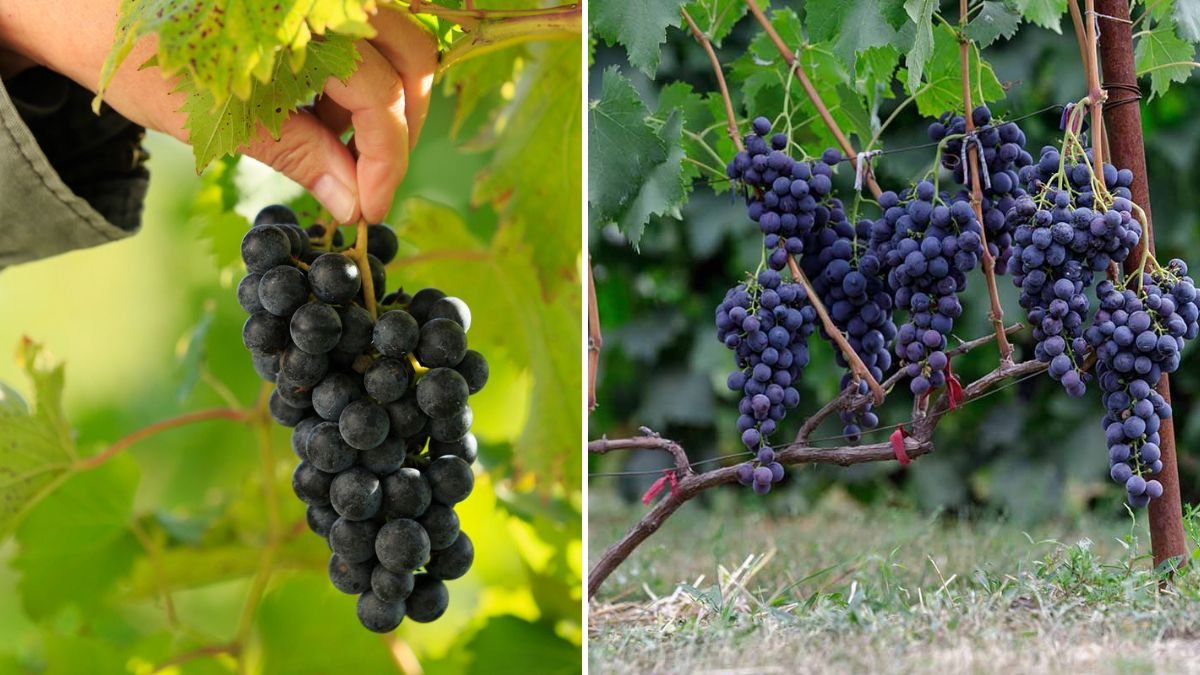
Growing black grapes in pots can be a fulfilling and rewarding hobby for home gardeners. Not only do black grapes offer delicious fruit, but they also add aesthetic beauty to any garden or patio. This comprehensive guide will explore everything you need to know to successfully grow black grapes in pots, from selecting the right varieties to care tips, challenges, and frequently asked questions.
Why Grow Black Grapes in Pots?
- Easy Steps to Successfully Grow Bhindi in Grow Bags at Home
- Easy Steps to Grow a Healthy Guava Bonsai at Home for Beginners
- How to Successfully Grow and Cultivate White Strawberry Plants at Home for Delicious and Unique Fruits
- Ultimate Guide to Successfully Growing Weeping Fig Outdoors with Proven Techniques and Expert Tips
- How to Successfully Grow Flemish Beauty Pear Trees in Canada for Optimal Harvest
- Easy Hack to Grow Strawberries Year Round in Your Home Garden for Delicious Harvests
- Growing Flemish Beauty Pears in Canada A Complete Guide for Local Gardens
- The Ultimate Guide to Growing Hibiscus Plants Year Round for Vibrant Blooms and Healthy Foliage
- Easy Ways to Boost the Growth Rate of Your Indoor Peace Lily for Lush Green Foliage
- How to Successfully Grow Oak Leaf Lettuce in Your Home Garden for Fresh and Flavorful Salads
-
Space Efficiency: For those with limited space, containers allow you to garden in small areas like balconies, decks, or patios.
-
Control Over Soil Quality: Container gardening enables you to have complete control over the soil quality and composition, essential for grape cultivation.
-
Mobility: Pots can be moved to take advantage of sunlight or protect plants from adverse weather conditions.
-
Aesthetics: The beauty of grapevines cascading from a pot adds a decorative touch to your outdoor space, making it visually appealing.
-
Pest and Disease Management: Growing grapes in pots can help in isolating plants, making pest and disease management simpler.
Latest Posts
Choosing the Right Black Grape Varieties
Not all grape varieties are suited for pot cultivation, so careful selection is crucial. Here are some suitable black grape varieties for container growth:
-
Concord Grapes: Known for their sweet, aromatic flavor, these grapes are ideal for fresh eating, juices, and jellies.
-
Black Corinth: These small, sweet grapes are often used for drying and have a high sugar content, making them perfect for snacks.
-
Gemini Seedless: A hybrid that produces large, sweet black grapes, these are excellent for both fresh eating and making desserts.
-
Mars Seedless: Another good choice, Mars grapes are sweet, juicy, and perfect for those who prefer seedless varieties.
-
Norton: A classic American variety often used in winemaking, they are robust and produce consistently.

Choosing the Right Pot
Selecting the appropriate pot is vital for the success of your black grape plants. Here’s what to consider:
-
Size: A minimum of 5-10 gallons is recommended. Larger pots provide better root systems, which lead to healthier plants.
-
Material: Choose pots made of materials like ceramic, terracotta, or high-quality plastic that can withstand temperature changes.
-
Drainage: Good drainage is crucial. Ensure that any pot you choose has drainage holes at the bottom.
Soil Requirements
Grapes prefer well-draining soil with a pH between 6.0 and 7.5. Here is a suitable soil mix:
- 50% potting soil
- 30% perlite or vermiculite for aeration
- 20% compost or organic matter for nutrients

Mixing in some slow-release fertilizer at planting time can also give your grapevines a vital nutrient boost.
Planting Black Grapes in Pots
-
Timing: The best time to plant grapevines is in early spring after the last frost or during fall.
-
Preparation:
- Fill your pot with your prepared soil mix, leaving about an inch of space at the top.
- Water the soil until it is moist but not soggy.
-
Planting:
- Create a hole deep enough for the roots of your grape vine to spread comfortably.
- Place the plant in the hole and cover it with soil, making sure to plant at the same depth as it was in the nursery container.
-
Watering: Water the plant thoroughly after planting. Further water should be consistent but not excessive, allowing the soil to dry out slightly between waterings.
Sunlight Requirements
Black grapes thrive in full sun, requiring at least 6 to 8 hours of direct sunlight daily. Place your pots in a sunny location, such as south or west-facing balconies or patios. If you are in a hot climate, some afternoon shade can prevent scorching.
Watering and Fertilization
Watering

- Frequency: Check the soil moisture regularly. Water when the top layer of soil feels dry to the touch.
- Amount: Grapevines prefer deep watering. Water until it drains out of the bottom of the pot. Avoid letting the plant sit in soggy soil.
Fertilization
- Initial Fertilizer: Use a balanced, slow-release fertilizer during planting.
- Ongoing Fertilization: Fertilize every 4-6 weeks during the growing season with a balanced liquid fertilizer, reducing frequency as fall approaches.
Pruning and Training
-
Pruning: Pruning is essential for promoting healthy growth and maximizing fruit production. Prune in late winter or early spring before new growth begins.
- Remove dead or weak growth.
- Thin out overcrowded areas to improve air circulation.
-
Training: Support your black grape vines with trellises, stakes, or other structures. This not only saves space but also enhances airflow and sunlight penetration.
Pests and Diseases
Common Issues:
-
Powdery Mildew: A fungal infection that appears as white spots on leaves. To combat this:
- Ensure proper airflow by pruning.
- Apply organic fungicides as needed.

-
Spider Mites: Tiny pests that can cause damage by sucking sap. Keep them at bay with regular misting and insecticidal soap.
-
Mealybugs and Aphids: These can be removed manually or treated with neem oil.
Preventive Measures:
- Monitor your plants regularly for signs of pests and diseases.
- Ensure proper spacing for ventilation.
Harvesting Black Grapes
-
Timing: Grapes are typically ready to harvest in late summer to early fall, depending on your climate and the variety. The best indicator of ripeness is the taste—grapes should be sweet, with a slight give when squeezed.
-
Method: Use sharp garden scissors or shears to cut the bunches, avoiding damage to the plant.
Winter Care
In colder climates, your potted grapevines will need protection during winter. Here are some tips:
- Move pots indoors: If possible, relocate pots to a garage or shed where temperatures remain above freezing.
- Mulching: If outdoor wintering is necessary, add mulch around the base of the plant to insulate the roots.

FAQs
1. How often should I water my black grape plants in pots?
Water when the top inch of soil is dry. This might be once every few days during hot weather and less frequently during cooler months.
2. Can I grow black grapes indoors?
While not ideal, it is possible to grow black grapes indoors with sufficient sunlight, usually from a south or west-facing window. Using grow lights can also help.
3. What should I do if my grapes aren’t producing fruit?
Several factors could affect fruit production, including insufficient sunlight, improper pruning, or lack of nutrients. Review your care routine and make adjustments as needed.
4. Can I propagate black grape vines in pots?
Yes, grapes can be propagated through cuttings. Take healthy shoots in late winter, place them in water or a pot with soil, and keep them moist until roots develop.
5. Are black grapes self-pollinating?
Most black grape varieties are self-pollinating, meaning they don’t require another vine to produce fruit.
6. How long will it take for my grapevines to start producing fruit?
Typically, grapevines can take 2 to 3 years to start producing fruit, although some varieties may fruit sooner.
Conclusion
Growing black grapes in pots is not only feasible, but it can also be a delightful addition to your home garden. With the right care, attention, and knowledge, you’ll enjoy the fruits of your labor while beautifying your space with lush vines. Whether you’re looking to snack on fresh grapes or create your own homemade wine, black grapes can be your rewarding gardening venture. Happy planting!