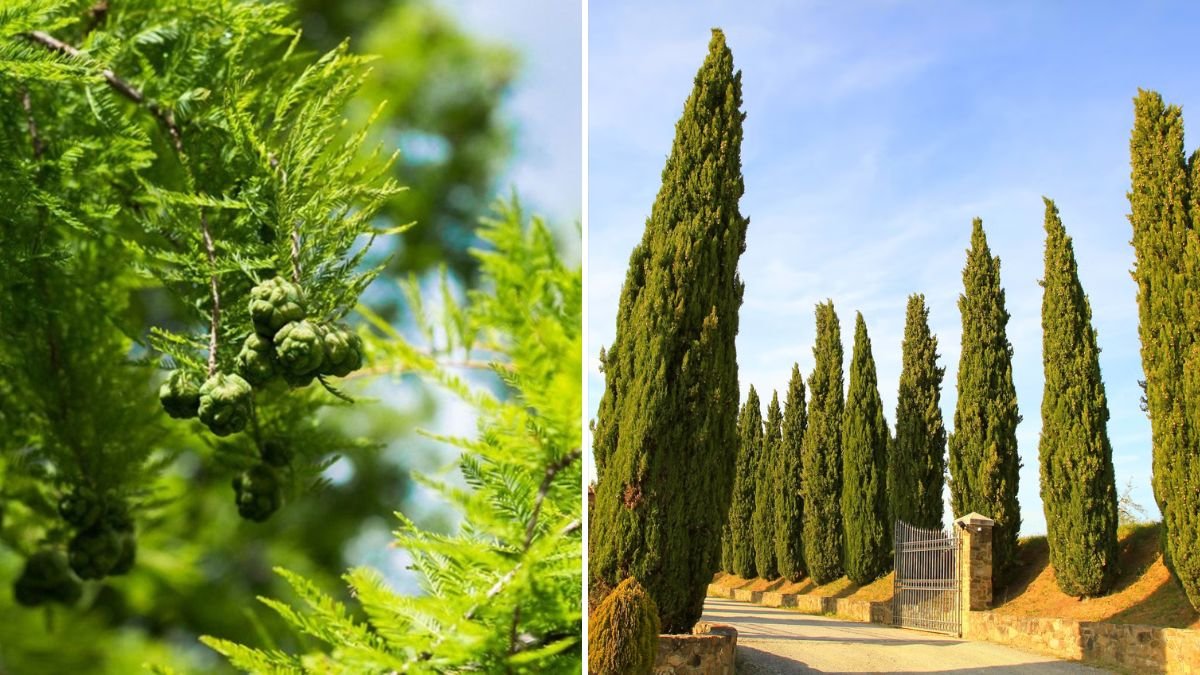
Cypress trees, renowned for their elegant growth habit and distinctive foliage, have become a favored choice for formal gardens. With their ability to provide a lush green backdrop while also improving architectural lines, these trees contribute significantly to a garden’s aesthetic appeal. This article will provide you with a comprehensive guide to successfully growing cypress trees, ensuring that your garden exudes an air of sophistication and tranquility.
Understanding Cypress Trees
Types of Cypress Trees
Latest Posts
- Easy Steps to Successfully Grow Bhindi in Grow Bags at Home
- Easy Steps to Grow a Healthy Guava Bonsai at Home for Beginners
- How to Successfully Grow and Cultivate White Strawberry Plants at Home for Delicious and Unique Fruits
- Ultimate Guide to Successfully Growing Weeping Fig Outdoors with Proven Techniques and Expert Tips
- How to Successfully Grow Flemish Beauty Pear Trees in Canada for Optimal Harvest
- Easy Hack to Grow Strawberries Year Round in Your Home Garden for Delicious Harvests
- Growing Flemish Beauty Pears in Canada A Complete Guide for Local Gardens
- The Ultimate Guide to Growing Hibiscus Plants Year Round for Vibrant Blooms and Healthy Foliage
- Easy Ways to Boost the Growth Rate of Your Indoor Peace Lily for Lush Green Foliage
- How to Successfully Grow Oak Leaf Lettuce in Your Home Garden for Fresh and Flavorful Salads
Before committing to a specific type of cypress, it’s essential to understand the varieties available. The most common types include:
-
Italian Cypress (Cupressus sempervirens): Known for its narrow, upright growth, this variety is perfect for formal gardens as it can create vertical lines that accentuate design elements.
-
Bald Cypress (Taxodium distichum): This deciduous cypress sheds its needles in the fall, providing a different seasonal interest, as well as its unique ‘knees’ that emerge from the roots in water.
-
Arizona Cypress (Cupressus arizonica): With its striking blue-green foliage, this variety can add a splash of color to your landscape, while being relatively drought-resistant.
-
Leyland Cypress (× Cuprocyparis leylandii): Popular for creating privacy hedges, these fast-growing trees can serve as effective screens while contributing to a formal aesthetic.
Benefits of Using Cypress Trees in Your Garden

- Aesthetic Appeal: Cypress trees feature a beautiful shape that adds structure and formality to your garden.
- Versatility: They can be used as focal points, hedges, windbreaks, or accent plants.
- Low Maintenance: Once established, cypress trees require minimal care, making them suitable for both novice and experienced gardeners.
- Wildlife Support: Cypress trees attract various birds and other wildlife, enhancing your garden’s biodiversity.
Preparing Your Garden for Cypress Trees
Choosing the Right Location
Cypress trees thrive in full sun to partial shade, ideally requiring at least six hours of direct sunlight daily. They prefer well-drained soil; heavy clay soils can lead to root rot. Therefore, picking a location with loose, aerated soil is crucial.
Soil Preparation
Conduct a soil test to ensure your garden has the right pH and nutrient levels. Cypress trees prefer a slightly acidic to neutral pH (between 6.0 and 7.0). Amend the soil with organic matter, such as compost or well-rotted manure, to improve drainage and fertility.
Space Considerations
Cypress trees can grow tall and wide, so proper spacing is vital. Depending on the variety, you should plant them 6 to 10 feet apart. If using them as a hedge or screen, consider the full grown width to determine the best planting distance.
Planting Cypress Trees
Selecting Healthy Specimens

Choose healthy cypress trees from a reputable nursery. Look for plants with robust trunks, vibrant foliage, and a well-developed root system. Avoid trees with signs of disease, pests, or damage.
Planting Process
- Digging the Hole: The hole should be twice the width and the same depth as the root ball.
- Positioning the Tree: Place the tree in the center of the hole, ensuring that the top of the root ball is level with the soil surface.
- Backfilling: Fill the hole with the original soil, gently tamping it down to eliminate air pockets. Leave a small basin around the tree to assist with water retention.
- Watering: Water thoroughly immediately after planting to help settle the soil. Ensure the area remains moist during the first few weeks of growth.
Watering and Fertilization
Watering Needs
Cypress trees prefer consistent moisture, especially during their establishment phase. Water deeply once a week in the absence of rain, ensuring that the soil remains damp but not waterlogged.
Fertilization
Apply a slow-release, balanced fertilizer during the growing season, typically in early spring. Follow package instructions for the correct amount to avoid over-fertilization, which can damage the tree.
Pruning and Maintenance
Pruning Cypress Trees

- Type of Pruning: Young trees may require minimal pruning to shape them and remove any dead or crossing branches. Established trees might need trimming to maintain their shape.
- Timing: The best time to prune is in late winter or early spring before new growth begins.
- Technique: Use sharp, clean tools to avoid damaging the tree. Cut just above a node or bud to encourage healthy growth.
Pest and Disease Management
Monitor your cypress trees for common issues such as:
- Cypress Canker: Look for wilting foliage or oozing bark. Prune out affected areas and apply a fungicide if necessary.
- Spider Mites: These pests can cause yellowing leaves. A strong spray of water can dislodge them, or use insecticidal soap as an organic treatment.
Creating a Formal Garden Design
Symmetry and Structure
Cypress trees can be used to create formal garden designs characterized by symmetry and structured layouts. Consider planting them in pairs or groups to frame pathways or entrances.
Layering Plant Heights
Integrate cypress trees with other plants of varying heights. Plant shorter flowers or shrubs in front of the trees to create depth and visual interest.

Hardscaping Elements
Incorporate hardscaping elements such as pathways, benches, or sculptures that complement the tall, majestic appearance of the cypress trees. Materials like stone or brick can enhance the formal aesthetic.
Seasonal Interest
Choose companion plants that provide year-round interest. Evergreens, autumn-blooming flowers, and perennials can enrich the landscape and provide color through various seasons.
Creating a Maintenance Routine
- Weekly Checks: Regularly monitor your cypress trees for signs of pests, diseases, or drought stress.
- Seasonal Pruning: Schedule pruning every few years to maintain the desired shape and health of the tree.
- Mulching: Apply a layer of mulch around the base to retain soil moisture and suppress weeds.
Conclusion
Cypress trees can bring a stunning formal aesthetic to any garden, combining elegance with low maintenance requirements. By understanding their needs and creating a structured planting scheme, you can ensure that your cypress trees thrive, enhancing the beauty of your outdoor space.
FAQs
1. How long do cypress trees take to grow?
Cypress trees typically grow relatively quickly, with some varieties growing up to 3 feet per year under optimal conditions.

2. Are cypress trees suitable for small gardens?
Certain smaller varieties, like the Italian cypress, can fit well in small gardens. Just ensure to choose a type that won’t outgrow your space.
3. How often should I water my cypress trees?
During their establishment phase, water them weekly, ensuring the soil remains moist but not waterlogged. Once established, they can tolerate some drought.
4. Do cypress trees have invasive root systems?
Most cypress trees have non-invasive root systems; however, they can be substantial. It’s best to plant them away from structures or other sensitive root systems.
5. Can you grow cypress trees in pots?
Yes, smaller varieties can be grown in pots, but ensure the container is large enough to accommodate their growth and has adequate drainage.
By following these guidelines and focusing on consistent care, you can enjoy the beauty and structure that cypress trees bring to your formal garden space for years to come.