Gardening enthusiasts know that tomatoes are one of the most rewarding plants to grow, with their vibrant flavors and varieties enhancing any culinary dish. However, not every gardener realizes that they can maximize their tomato yield by effectively managing suckers—those little shoots that grow in the leaf axils of the tomato plant. By utilizing an easy trick to root tomato suckers, you can expand your garden productivity with minimal effort and investment. This article delves into the process, benefits, and frequently asked questions concerning rooting tomato suckers.
What Are Tomato Suckers?
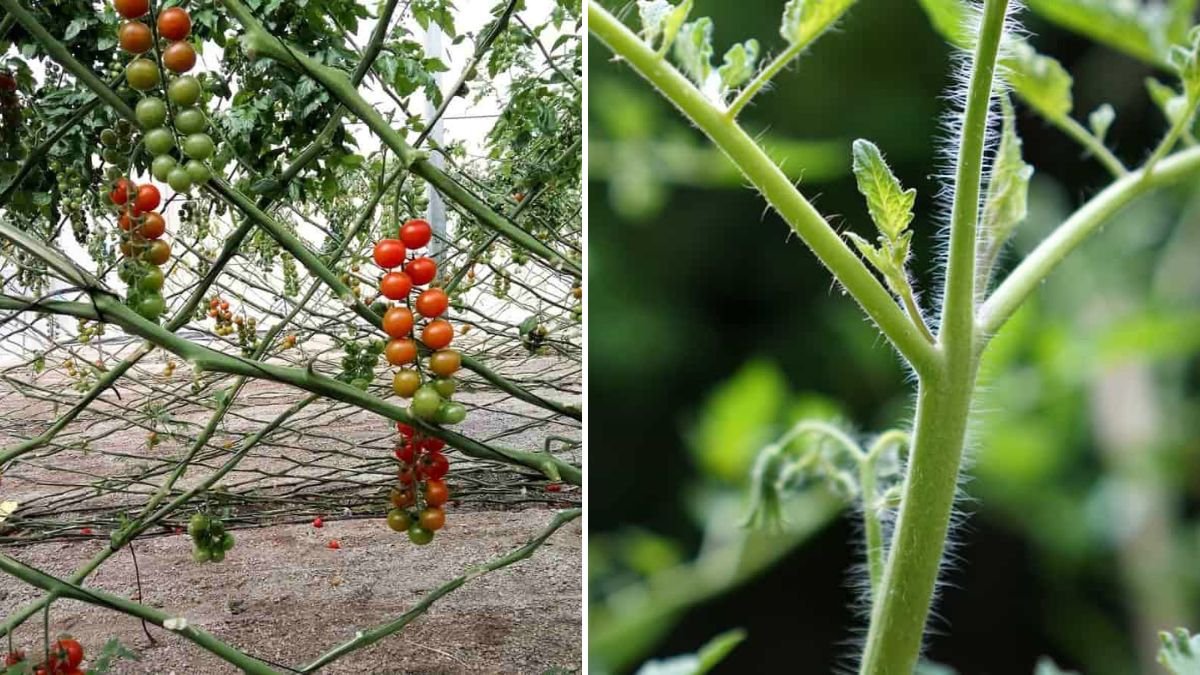
Tomato suckers are the small shoots that develop in the leaf axils—the points where the leaves meet the main stem. While some gardeners choose to prune these suckers to improve air circulation and redirect energy to the main fruit-bearing stems, others see an opportunity. By rooting these suckers, a gardener can easily propagate new plants without purchasing seeds or additional seedlings.
Latest Posts
- Easy Steps to Successfully Grow Bhindi in Grow Bags at Home
- Easy Steps to Grow a Healthy Guava Bonsai at Home for Beginners
- How to Successfully Grow and Cultivate White Strawberry Plants at Home for Delicious and Unique Fruits
- Ultimate Guide to Successfully Growing Weeping Fig Outdoors with Proven Techniques and Expert Tips
- How to Successfully Grow Flemish Beauty Pear Trees in Canada for Optimal Harvest
- Easy Hack to Grow Strawberries Year Round in Your Home Garden for Delicious Harvests
- Growing Flemish Beauty Pears in Canada A Complete Guide for Local Gardens
- The Ultimate Guide to Growing Hibiscus Plants Year Round for Vibrant Blooms and Healthy Foliage
- Easy Ways to Boost the Growth Rate of Your Indoor Peace Lily for Lush Green Foliage
- How to Successfully Grow Oak Leaf Lettuce in Your Home Garden for Fresh and Flavorful Salads
Benefits of Rooting Tomato Suckers
-
Cost-Effectiveness: Growing new plants from suckers eliminates the need to buy seeds or transplants, making it a budget-friendly gardening hack.
-
Quality Assurance: By propagating suckers from your existing plants, you ensure that the new growth will have the same quality and traits as the parent plant, maintaining flavor, disease resistance, and growth habits.
-
Increased Production: More plants in your garden mean more tomatoes. This can lead to a significantly increased harvest, allowing for more salsa, sauces, and fresh salads.
-
Learning Opportunity: Rooting suckers provides a hands-on experience in plant propagation, offering insight into plant biology and gardening techniques.

Materials Needed
Before we dive into the process, gather the following materials:
- Healthy Tomato Plant: Ensure your tomato plant is disease-free and well-established.
- Sharp Pruning Shears: Use clean, sharp shears to avoid damaging the plant and prevent infections.
- Potting Mix: A high-quality, sterile potting mix promotes healthy root development.
- Small Pots or Seedling Trays: Choose containers with good drainage to prevent waterlogging.
- Water: Essential for keeping suckers hydrated during the rooting process.
- Clear Plastic Bag or Cling Wrap: To create a mini-greenhouse effect, enhancing humidity.
Step-by-Step Guide to Rooting Tomato Suckers
Step 1: Identify the Suckers
Inspect your tomato plant and look for suckers that are at least 4 to 6 inches long. Younger suckers are generally more successful in rooting, so aim for those that have not begun to flower.

Step 2: Cut the Suckers
Using your sharp pruning shears, cut the suckers just below the node (where the leaf meets the sucker). Aim for clean cuts to minimize damage and allow for quick healing.
Step 3: Prepare the Pots
Fill your small pots or seedling trays with the potting mix, ensuring it’s moistened but not soggy. The soil should be light and airy to promote root development.
Step 4: Insert the Suckers
Make a small hole in the potting mix with your finger or a pencil. Carefully insert the cut end of the sucker into the hole and gently pack the soil around it. Ensure that at least one or two leaves remain above the soil.
Step 5: Water the Cuttings
Gently water the rooted suckers, ensuring the soil is damp but not oversaturated. It’s important to maintain moisture without risking rot.
Step 6: Create a Humidity Dome
Cover the pots with a clear plastic bag or cling wrap to create a greenhouse effect. This will help maintain humidity levels, which are vital for root development. Make sure not to seal it entirely; leave a small opening for air circulation.

Step 7: Provide Proper Lighting
Place your pots in a location with bright, indirect sunlight. Avoid direct sunlight, as this can cause the bags to overheat and harm your new cuttings.
Step 8: Wait for Roots to Develop
Keep an eye on your suckers over the next 1-2 weeks. You’ll know they’re ready to be transplanted when you see new growth or if you feel resistance when gently tugging on them, indicating root development.
Step 9: Transplant Your New Plants
Once the suckers have developed roots, it’s time to transplant them into larger pots or into your garden. If moving outdoors, ensure you harden them off by gradually exposing them to outdoor conditions over a week.
Step 10: Care for Your New Plants
Continue to care for your new tomato plants as you would for any other. Feed them with a balanced fertilizer, water them as needed, and monitor for pests and diseases.
Additional Tips for Success
- Timing is Key: Rooting suckers is best done during the growing season when plants are actively photosynthesizing and growing.
- Choose the Right Variety: Some tomato varieties root better than others. Indeterminate varieties usually have softer, more easily rooted suckers.
- Considerations for Soil: Aim for soil that is rich in organic matter. You can add perlite or vermiculite to enhance drainage.
- Regular Monitoring: Check moisture levels as well as the health of your suckers daily. Condensation in a plastic bag is a good sign, but too much moisture can lead to mold.

Frequently Asked Questions (FAQs)
1. Can I root suckers from any tomato variety?
Yes, while indeterminate varieties tend to root better, suckers from determinate varieties can also be successfully propagated.
2. How long does it take for tomato suckers to root?
Typically, it takes about 1 to 2 weeks for suckers to develop roots. Factors such as temperature, moisture, and light will affect rooting time.
3. Can I root suckers during any season?
It is best to root suckers during the growing season (spring to early summer) when plants are actively growing and photosynthesizing.
4. Can I use rooting hormone?
While not necessary, using rooting hormone can potentially speed up the rooting process. Dip the cut end of the sucker in rooting hormone before planting for optimal results.

5. Do I need to fertilize the suckers immediately?
It’s best to wait until you see new growth before scattering any fertilizer. Young plants are fragile, and too much fertilizer may burn them.
6. Can I stack multiple suckers in one pot?
Avoid this; each sucker should have its own space to grow. Stacking can lead to competition for resources and increased risk of disease.
7. What should I do if my suckers fail to root?
If suckers wilt or rot, consider adjusting your moisture levels, lighting, or even trying fresh suckers. Sometimes it might take a few attempts to perfect the process.
8. How many new plants can I expect from suckers?
It depends on how many suckers you take, but each healthy sucker can grow into a new productive plant, retailing strong yields in your garden.
In summary, rooting tomato suckers is an easy, effective trick for expanding your garden and enhancing productivity. With minimal materials and effort, your gardening skills can bloom, and your harvest can multiply. Happy gardening!