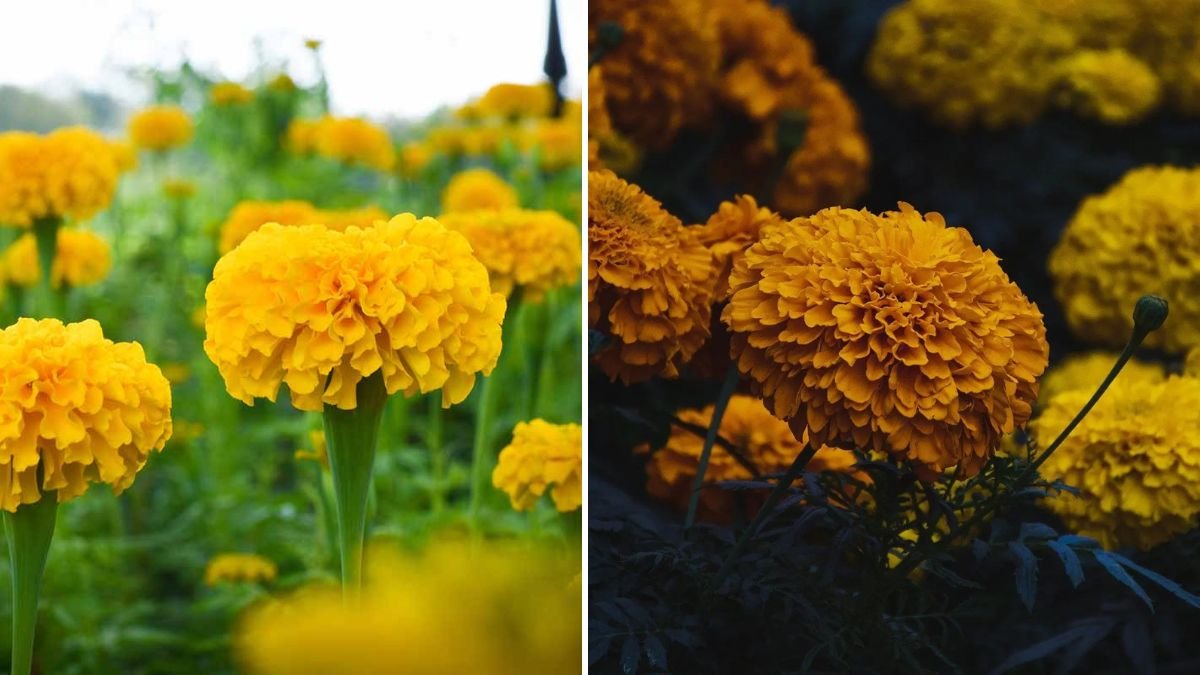
Marigolds, beloved for their vibrant colors and ability to attract beneficial pollinators, are often associated with summertime. However, with the right techniques, you can successfully grow marigolds in winter. This guide will help you navigate the nuances of winter marigold cultivation, from selecting the right varieties to maintaining optimal growth conditions.
Understanding Marigolds
Before delving into the specifics of winter growing, it’s essential to understand the different types of marigolds you might consider:
Latest Posts
- Easy Steps to Successfully Grow Bhindi in Grow Bags at Home
- Easy Steps to Grow a Healthy Guava Bonsai at Home for Beginners
- How to Successfully Grow and Cultivate White Strawberry Plants at Home for Delicious and Unique Fruits
- Ultimate Guide to Successfully Growing Weeping Fig Outdoors with Proven Techniques and Expert Tips
- How to Successfully Grow Flemish Beauty Pear Trees in Canada for Optimal Harvest
- Easy Hack to Grow Strawberries Year Round in Your Home Garden for Delicious Harvests
- Growing Flemish Beauty Pears in Canada A Complete Guide for Local Gardens
- The Ultimate Guide to Growing Hibiscus Plants Year Round for Vibrant Blooms and Healthy Foliage
- Easy Ways to Boost the Growth Rate of Your Indoor Peace Lily for Lush Green Foliage
- How to Successfully Grow Oak Leaf Lettuce in Your Home Garden for Fresh and Flavorful Salads
-
Tagetes erecta: Commonly known as African Marigolds, these are larger and have a more rounded appearance.
-
Tagetes patula: Also known as French Marigolds, these are shorter, bushier, and come in a variety of colors.
-
Tagetes lucida: This is the Mexican Marigold, known for its aromatic leaves and medicinal properties.
Each type can exhibit unique characteristics, so choose the variety that best suits your aesthetic and functional needs.
Selecting the Right Variety for Winter
When growing marigolds in winter, consider choosing resilient varieties that can thrive in cooler temperatures. French marigolds are generally more tolerant of lower temperatures and can be a great option for winter gardening.
Winter Growing Techniques
1. Indoor Growing
A. Using Containers

Container selection: Choose pots with good drainage to prevent waterlogging. Terracotta pots are a great option due to their porous nature.
Soil: Use a high-quality potting mix that allows for good drainage and aeration. You can enhance the mix by adding perlite or vermiculite.
Placement: Position containers in a location that receives ample sunlight. South-facing windowsills are ideal as they provide the most sunlight during winter months.
B. Sowing Seeds
-
Timing: Start seeds 6-8 weeks before the last frost. This way, your marigolds will be ready to bloom as indoor plants during winter.
-
Seed depth: Plant seeds about 1/4 inch deep in the soil. Cover lightly with soil and water thoroughly.
-
Germination: Keep the soil moist but not soggy. Germination usually takes about 7-14 days.
2. Greenhouse Cultivation
Using a greenhouse can significantly boost your chances of successfully growing marigolds in winter.
A. Temperature Control
Maintain a temperature range of 65°F to 75°F (18°C to 24°C) during the day and not below 50°F (10°C) at night. Use heaters if necessary and regularly monitor conditions.
B. Humidity Levels

Higher humidity levels can help marigolds thrive. Aim for humidity levels of 50%-70%. Consider using a humidity tray or misting plants to maintain moisture in the air.
C. Lighting
Supplement natural light with grow lights if necessary. LED grow lights can be an excellent energy-efficient option, providing the full spectrum needed for plant growth.
3. Outdoor Protection
If you wish to plant marigolds outdoors during winter, some techniques can help:
A. Mulching
Add a protective layer of mulch around the base of the plants. Organic mulches, like straw or wood chips, help insulate the roots from cold temperatures.
B. Cloche or Cold Frame
Using protective cloches or cold frames can provide sheltered conditions, significantly improving your marigolds’ survival chances. These structures trap heat and create a microclimate around the plants.
4. Watering Techniques
During winter, it’s easy to overwater plants due to reduced evaporation rates. Follow these tips to ensure your marigolds get the right amount of moisture:
- Water only when the top inch of soil feels dry.
- Use room temperature water to avoid shocking the roots.
5. Fertilization

Even in winter, your marigolds will benefit from a balanced fertilizer:
- Use a diluted liquid fertilizer every 4-6 weeks.
- Opt for a slow-release fertilizer at the start of the growing season.
6. Pest Control
Even indoor marigolds can attract pests. Here are a few tips for managing pests:
- Regular inspections: Check for signs of aphids, spider mites, and whiteflies.
- Natural deterrents: Use insecticidal soap or neem oil if pests are detected. These are less harmful to beneficial insects.
Troubleshooting Common Issues
Even the best gardeners face challenges. Here are some common issues and solutions:
1. Yellowing Leaves
Causes: Overwatering or nutrient deficiencies.
Solutions: Adjust watering schedule and consider fertilizing.
2. Stunted Growth
Causes: Insufficient light or poor soil quality.
Solutions: Move marigolds closer to a light source and consider repotting into fresh soil.
3. Leggy Plants

Causes: Low light conditions.
Solutions: Supplement with grow lights and ensure even light distribution.
4. Pest Infestation
Causes: Aphids and spider mites.
Solutions: Use insecticidal soap or introduce beneficial insects like ladybugs.
Harvesting and Enjoying Your Marigolds
Harvesting marigold flowers can be rewarding. Here are some tips on when and how to harvest them:
- Timing: Harvest flowers in the morning when they are fully open but not yet wilted.
- Technique: Snip the stems just above a set of leaves to promote further blooming.
Uses of Marigolds
- Aesthetic appeal: Brighten your indoor space.
- Companion planting: Help deter pests from other plants when placed in a garden.
- Culinary use: Some varieties are edible and can be used to enhance dishes.
Conclusion
Growing marigolds in winter is not just a possibility but a rewarding endeavor. By employing the right techniques, choosing suitable varieties, and maintaining optimal conditions, you can enjoy the cheerful blooms of marigolds throughout the colder months. Whether indoors or in a greenhouse, these straightforward tips will help you cultivate vibrant marigolds that can brighten your winter days.
FAQs
Q1: Can I grow marigolds from cuttings in winter?

A1: Yes, you can root marigold cuttings in water or potting soil. However, starting from seeds is typically easier and more reliable.
Q2: How long do marigolds typically live?
A2: Marigolds generally bloom for a few months to several months, depending on their growing conditions and care.
Q3: Do marigolds require a lot of sunlight?
A3: Yes, marigolds need at least 6 hours of direct sunlight per day to thrive, so choose a sunny location or use grow lights indoors.
Q4: Can I use marigolds as a natural pest deterrent?
A4: Indeed! Marigolds are known for their ability to repel various pests, making them an excellent companion plant.
Q5: What should I do if my marigolds are not blooming?
A5: Ensure they’re receiving enough sunlight, check for nutrient deficiencies, and make sure they’re not overwatered. Fertilizing may also encourage blooming.
Growing marigolds in winter can transform your indoor or outdoor space into a vibrant oasis, allowing you to enjoy their beauty year-round. With proper care and attention, your marigolds will flourish even in the coldest months.