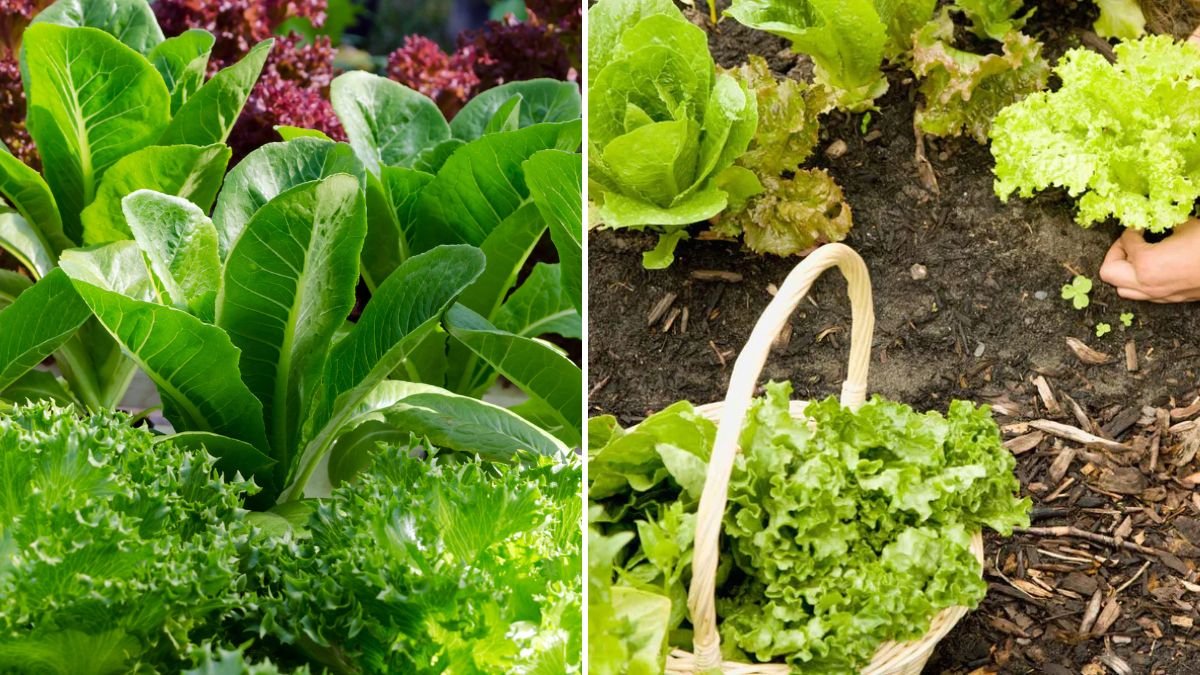
Growing your own lettuce at home is a rewarding experience that brings fresh, nutritious greens right to your table. Loose leaf lettuce, in particular, is an excellent choice for beginners due to its ease of care, quick growth, and ability to be harvested multiple times. This guide will walk you through everything you need to know to cultivate a thriving loose leaf lettuce garden, from selecting the right varieties to maintaining optimal growing conditions.
Understanding Loose Leaf Lettuce
Loose leaf lettuce doesn’t form a compact head like romaine or butterhead lettuce. Instead, it has loose, tender leaves that can be picked individually. This characteristic not only makes it easier to harvest, but also extends the growing season. With frequent harvesting, you can enjoy fresh lettuce for weeks!
Latest Posts
- Easy Steps to Successfully Grow Bhindi in Grow Bags at Home
- Easy Steps to Grow a Healthy Guava Bonsai at Home for Beginners
- How to Successfully Grow and Cultivate White Strawberry Plants at Home for Delicious and Unique Fruits
- Ultimate Guide to Successfully Growing Weeping Fig Outdoors with Proven Techniques and Expert Tips
- How to Successfully Grow Flemish Beauty Pear Trees in Canada for Optimal Harvest
- Easy Hack to Grow Strawberries Year Round in Your Home Garden for Delicious Harvests
- Growing Flemish Beauty Pears in Canada A Complete Guide for Local Gardens
- The Ultimate Guide to Growing Hibiscus Plants Year Round for Vibrant Blooms and Healthy Foliage
- Easy Ways to Boost the Growth Rate of Your Indoor Peace Lily for Lush Green Foliage
- How to Successfully Grow Oak Leaf Lettuce in Your Home Garden for Fresh and Flavorful Salads
Varieties of Loose Leaf Lettuce
Before you start planting, it’s essential to know the various types of loose leaf lettuce available. Here are a few popular varieties:
- Red Romaine: Has a mild flavor with vibrant red leaves; it’s both beautiful and tasty.
- Buttercrunch: Offers soft, buttery leaves with a hint of sweetness.
- Green Leaf: Mild and slightly sweet; perfect for salads and sandwiches.
- Oak Leaf: Known for its distinctive lobed leaves and crunchy texture.
Choosing the Right Location
Choosing the right location for your lettuce garden is crucial. Here are some considerations:
- Sunlight: Loose leaf lettuce thrives in partial to full sunlight; aim for 4 to 6 hours of sunlight each day. Morning sun and afternoon shade tend to produce the best results, especially in hotter climates.
- Soil: Good drainage is essential for lettuce. Opt for well-draining soil rich in organic matter. A pH level between 6.0 and 7.0 is ideal. You can improve your soil by adding compost or well-rotted manure.
- Space: Leave adequate space for air circulation; this helps prevent diseases.
Starting Loose Leaf Lettuce From Seeds
Choosing Seeds
The first step to growing loose leaf lettuce is selecting high-quality seeds. Ensure you buy seeds from a reputable source. Fresh seeds have better germination rates and are less likely to carry diseases.
Germination
You can start your loose leaf lettuce seeds indoors or sow them directly in your garden. If you choose to start indoors, follow these steps:
- Timing: Start seeds indoors about 4 to 6 weeks before the last expected frost date.
- Containers: Use seedling trays or biodegradable pots filled with seed starting mix.
- Sowing: Sow seeds about 1/4 inch deep and cover lightly with soil. Water gently to avoid displacing the seeds.
- Humidity: Use a humidity dome or plastic wrap to maintain moisture until germination, usually within 7 to 14 days.
- Thinning: Once your seedlings have a couple of true leaves, thin them to prevent overcrowding.

If you’re sowing directly outdoors:
- Timing: Plant seeds 2 to 4 weeks before the last frost date in your region, or in late summer for a fall crop.
- Sowing: Scatter seeds evenly over prepared soil and lightly cover with soil. Water gently.
Caring for Your Lettuce
Watering
Lettuce requires consistent moisture to grow well. Aim for about 1 to 2 inches of water per week, depending on rainfall and temperature. The best method is to water deeply but infrequently, promoting strong root growth.
Fertilization
Fertilize your loose leaf lettuce every four to six weeks with a balanced, water-soluble fertilizer. Too much nitrogen can lead to rapid growth and poor flavor, so choose a blend that provides a balanced nutrient profile.
Pest and Disease Control
Common pests include aphids, slugs, and snails. Here are some effective ways to manage them:

- Aphids: Spray the plants with a strong stream of water to dislodge them. Insecticidal soap can also be effective.
- Slugs and Snails: Use traps or barriers (like crushed eggshells) to deter these pests.
In terms of diseases, powdery mildew can affect lettuce, particularly in humid conditions. To prevent this, ensure good air circulation around plants and avoid overhead watering.
Temperature Considerations
Loose leaf lettuce grows best in cool weather, ideally between 60°F and 70°F (15°C – 21°C). In warmer climates, it’s advisable to plant in spring and fall to avoid the heat of summer. If temperatures exceed 75°F (24°C), consider providing shade with row covers or shade cloth.
Harvesting Your Lettuce
One of the best parts of growing loose leaf lettuce is that it can be harvested multiple times. You can start harvesting when the outer leaves are large enough—around 4 to 6 inches long:
- Regular Harvesting: Use scissors to cut the leaves approximately 1 inch above the base. Leave the heart intact, and new leaves will continue to grow.
- Full Harvest: If the plants start to bolt (produce flowers), it’s time for a full harvest. Use the entire plant as soon as you notice flowering.
Storage Tips

To enjoy your freshly harvested lettuce, store it properly:
- Washing: Rinse leaves gently under cold water to remove dirt and pests, then spin dry or pat dry with a clean towel.
- Storage: Place the dry leaves in a perforated plastic bag or a breathable container in the refrigerator. Fresh lettuce can last about a week when stored correctly.
FAQs
1. When is the best time to plant loose leaf lettuce?
Loose leaf lettuce is best planted in early spring or late summer. For spring crops, you can start seeds in late winter to transplant outdoors as soon as the soil is workable. For fall crops, sow seeds in late summer.
2. How often should I water my lettuce?
Lettuce needs about 1 inch of water per week. However, in hotter conditions, you may need to water more frequently to keep the soil consistently moist.
3. Can I grow lettuce in containers?
Yes! Loose leaf lettuce grows well in containers. Ensure your container has good drainage and is at least 6 inches deep. Use quality potting mix and place the container in a location that receives adequate sunlight.
4. What are common pests that affect lettuce?

Common pests include aphids, slugs, and snails. Regularly check your plants and use natural pest control methods like insecticidal soap or introducing beneficial insects.
5. How can I prolong the harvest of my lettuce?
To extend your harvest, practice “cut-and-come-again” harvesting, only removing a few outer leaves at a time. You can also stagger plantings every couple of weeks to have a continuous supply of fresh lettuce.
6. What should I do if my lettuce bolts?
If your lettuce plants start to bolt (produce flower stalks), the leaves may become bitter. At this point, it’s best to harvest the entire plant. You can prevent bolting by ensuring they don’t experience heat stress and by harvesting regularly.
Conclusion
Growing loose leaf lettuce at home is a simple and fulfilling endeavor that anyone can undertake. By following this guide, you’ll be well on your way to enjoying fresh, homegrown lettuce right from your garden. With proper care, you can harvest multiple times, ensuring a continuous supply of these delicious greens. Happy gardening!