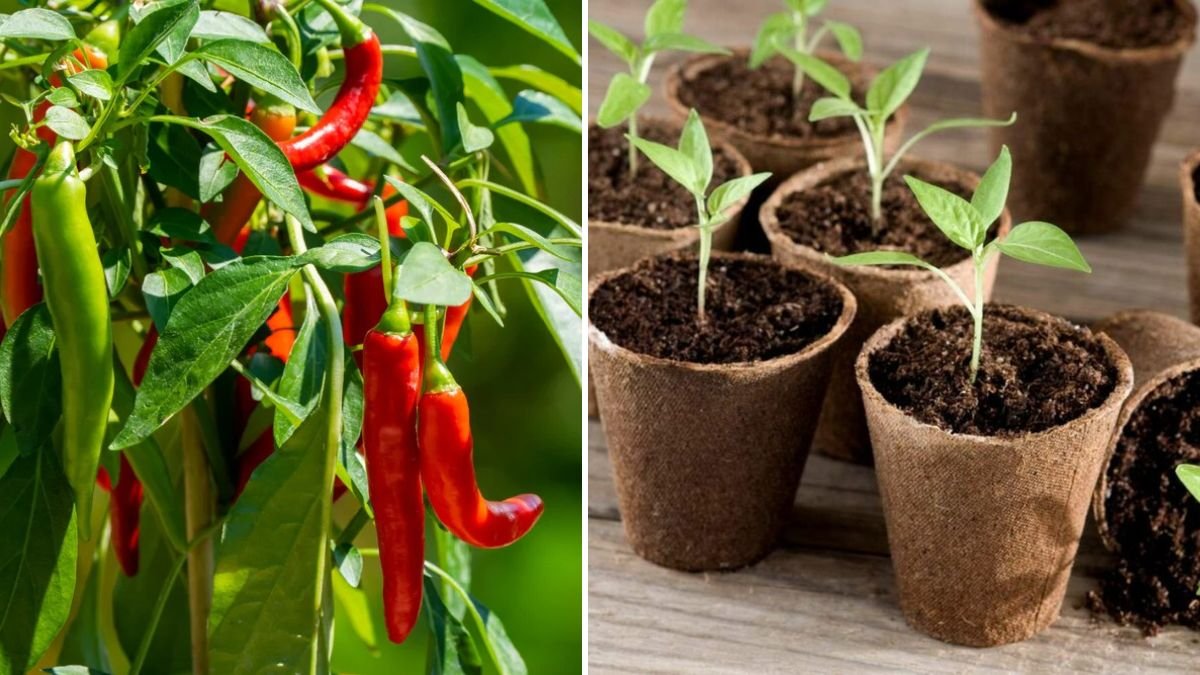
Growing your own chilli plants at home can be an incredibly rewarding endeavor, not just because of the exceptional flavors these fiery vegetables can add to your dishes, but also due to the satisfaction gained from nurturing your plants. Chilli peppers come in a myriad of varieties, each with its own unique flavor, heat level, and culinary use. To achieve a bountiful harvest of healthy chilli seedlings, careful preparation, attention to detail, and suitable growing conditions are essential. This guide outlines the best practices for cultivating thriving chilli seedlings at home.
1. Choosing the Right Chilli Variety
Before diving into the cultivation process, it is crucial to choose the right variety of chilli. Consider the climate and how much heat you’re looking for:
Latest Posts
- Easy Steps to Successfully Grow Bhindi in Grow Bags at Home
- Easy Steps to Grow a Healthy Guava Bonsai at Home for Beginners
- How to Successfully Grow and Cultivate White Strawberry Plants at Home for Delicious and Unique Fruits
- Ultimate Guide to Successfully Growing Weeping Fig Outdoors with Proven Techniques and Expert Tips
- How to Successfully Grow Flemish Beauty Pear Trees in Canada for Optimal Harvest
- Easy Hack to Grow Strawberries Year Round in Your Home Garden for Delicious Harvests
- Growing Flemish Beauty Pears in Canada A Complete Guide for Local Gardens
- The Ultimate Guide to Growing Hibiscus Plants Year Round for Vibrant Blooms and Healthy Foliage
- Easy Ways to Boost the Growth Rate of Your Indoor Peace Lily for Lush Green Foliage
- How to Successfully Grow Oak Leaf Lettuce in Your Home Garden for Fresh and Flavorful Salads
- Mild Varieties: Bell peppers and Poblano.
- Medium Heat: Jalapeño and Serrano.
- Hot Varieties: Habanero and Carolina Reaper.
Choosing a variety that suits your preferences and climate will set the stage for successful growth.
2. Preparing Your Growing Area
2.1. Indoor vs. Outdoor
Deciding whether to grow your chilli seedlings indoors or outdoors is essential. Indoor cultivation allows for better control of conditions, while outdoor gardening can often provide more natural light and space. If you live in a colder climate, starting seeds indoors can lead to earlier growth.
2.2. Choosing a Container
If you’re starting seeds indoors, opt for seed trays or pots that are at least 3 inches deep. These should have drainage holes to prevent waterlogging. For outdoor planting, ensure the soil is well-draining and full of organic matter.
3. Soil Preparation
3.1. Soil Type
Chilli plants thrive in well-draining soil enriched with organic matter. A mix of potting soil, compost, and perlite is often ideal. The pH level should range between 6.0 and 7.0.
3.2. Nutrient Consideration
Before planting, test the soil for nutrients. If it appears lacking in nitrogen or potassium, consider supplementing with organic fertilizers or compost.
4. Sowing Seeds
4.1. Timing
Sow your seeds indoors about 8-10 weeks before the last expected frost. For outdoor sowing, wait until the soil temperature reaches at least 70°F (21°C).
4.2. Planting Depth
Place seeds about 1/4 to 1/2 inch deep in the soil. Cover gently with soil and water lightly.
4.3. Spacing
If you’re using seed trays, sow two seeds per cell. Once they germinate and grow a couple of inches tall, thin them to one seedling per cell.
5. Providing the Right Environment
5.1. Temperature
Chilli seedlings germinate best in warm conditions, ideally between 70°F to 85°F (21°C to 29°C). Consider using a seedling heat mat to maintain temperature during germination.
5.2. Light
Once seedlings emerge, they will need plenty of light—at least 12-16 hours per day. Use fluorescent grow lights or LED lights placed a few inches above the seedlings.
5.3. Humidity
Maintaining an adequate humidity level (around 50-70%) is beneficial for young seedlings. A humidity dome can help maintain moisture during the early stages.
6. Watering Your Seedlings
6.1. Frequency
Watering should be consistent but moderate. Overwatering can lead to root rot, while underwatering can cause stress. Aim to keep the soil evenly moist but not soaked.
6.2. Method
Water at the base of the plant, avoiding getting the leaves wet. This helps prevent diseases while ensuring deep root nourishment.
7. Fertilizing Your Seedlings
Once your seedlings have developed two true leaves, you may begin fertilizing. Choose a balanced liquid fertilizer diluted to half strength or an organic option such as fish emulsion.
7.1. Schedule

Fertilize every two weeks until transplanting to ensure healthy growth and development.
8. Transplanting Seedlings
8.1. Timing
When seedlings are about 3-4 inches tall and have developed a few sets of true leaves, they are ready to be transplanted outdoors.
8.2. Hardening Off
Before transplanting, harden off your seedlings over 7-10 days. Gradually expose them to outdoor conditions by increasing their time outside each day.
8.3. Spacing in Garden
When transplanting into the garden, space your chilli plants about 18-24 inches apart, depending on the variety.
9. Caring for Your Chilli Plants
9.1. Watering
Continue following a consistent watering schedule, ensuring soil remains moist but not soggy.
9.2. Mulching
Apply a layer of mulch to retain moisture and suppress weeds, as chilli plants benefit from consistent moisture levels.
9.3. Pest Management
Keep an eye out for pests like aphids and spider mites. You can use insecticidal soap or neem oil for treatment when necessary. Encourage beneficial insects that prey on common pests.
9.4. Pruning
Prune your plants to encourage bushier growth and better fruit production. Pinch off the top of the plant after a few sets of leaves to promote branching.
10. Harvesting
Harvest chillies when they reach full size and color. Depending on the variety, this can range from green to red. Regular harvesting encourages new fruit production.
FAQs
1. What is the best time to plant chilli seeds?
Chilli seeds are best planted indoors 8-10 weeks before the last frost date or outdoors once the soil temperature reaches at least 70°F (21°C).
2. How often should I water my chilli seedlings?
Water your seedlings regularly, keeping the soil consistently moist but not waterlogged. Check daily and adjust as needed.
3. Why are my seedlings wilting?
Wilting can be a sign of overwatering or underwatering. Check soil moisture and ensure proper drainage.

4. How do I know when to fertilize my seedlings?
Once your seedlings develop their second set of true leaves, you can start fertilizing every two weeks.
5. What pests should I be aware of?
Common pests include aphids, spider mites, and whiteflies. Monitor your plants regularly and use organic pesticides as needed.
6. How do I store harvested chillies?
Store whole chillies in the refrigerator for up to two weeks. For long-term storage, consider drying or freezing them.
7. Can I grow chilli plants in containers?
Yes! Chilli plants thrive in containers; just ensure they have proper drainage and enough space for root development.
Conclusion
Growing healthy chilli seedlings at home requires diligent preparation and care, but the result—a bountiful harvest—makes the effort worthwhile. Whether you’re an experienced gardener or a novice, following the comprehensive guidelines outlined in this article can help you cultivate robust chilli plants that provide delicious, fresh peppers for countless meals. Enjoy the spicy journey of growing your own chillies and savor the fruits of your labour!