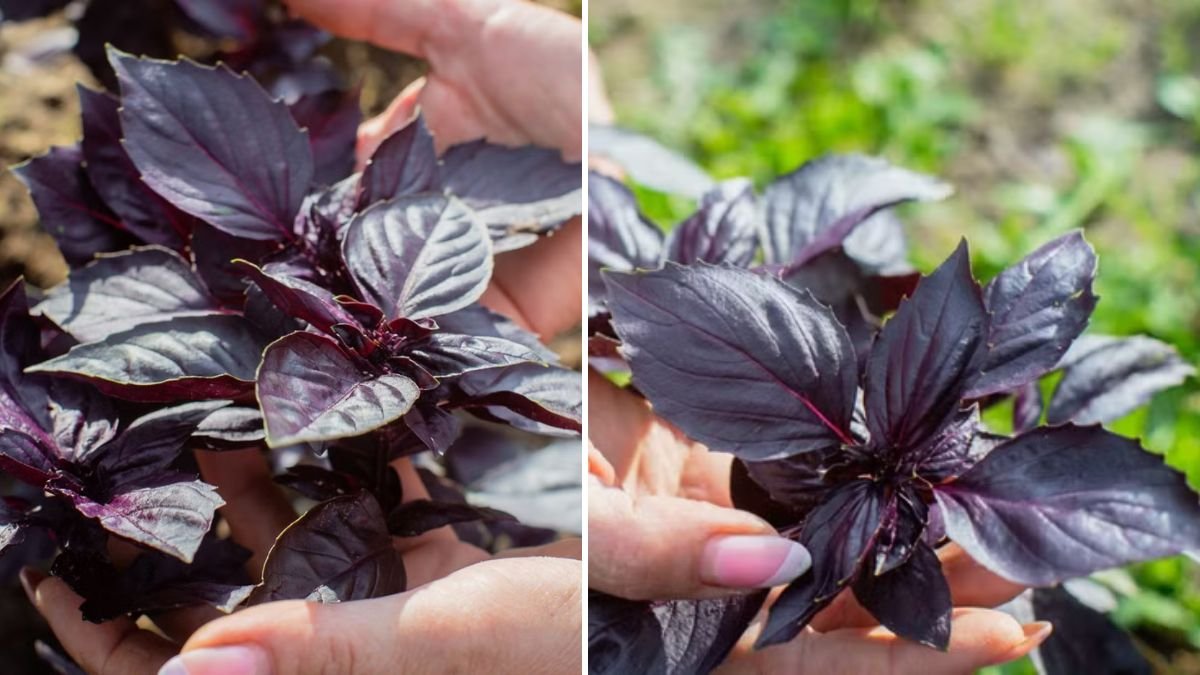
Purple basil, with its vibrant color and aromatic flavor, adds an enticing touch to a variety of dishes. Whether you’re a seasoned chef or an enthusiastic home cook, growing purple basil in containers offers both practical and aesthetic benefits. This guide will take you through everything you need to know about cultivating this delightful herb, from its characteristics and growing requirements to culinary uses and care tips.
Characteristics of Purple Basil
Purple basil, or Ocimum basilicum, has distinctive purple leaves that boast a slightly spicier flavor compared to traditional green basil varieties. This herb is prized not only for its culinary applications but also for its striking color, which can elevate the visual appeal of any dish. The plant can grow up to 12-24 inches tall and produces small white or purple flowers. Here are some key characteristics:
Latest Posts
- Easy Steps to Successfully Grow Bhindi in Grow Bags at Home
- Easy Steps to Grow a Healthy Guava Bonsai at Home for Beginners
- How to Successfully Grow and Cultivate White Strawberry Plants at Home for Delicious and Unique Fruits
- Ultimate Guide to Successfully Growing Weeping Fig Outdoors with Proven Techniques and Expert Tips
- How to Successfully Grow Flemish Beauty Pear Trees in Canada for Optimal Harvest
- Easy Hack to Grow Strawberries Year Round in Your Home Garden for Delicious Harvests
- Growing Flemish Beauty Pears in Canada A Complete Guide for Local Gardens
- The Ultimate Guide to Growing Hibiscus Plants Year Round for Vibrant Blooms and Healthy Foliage
- Easy Ways to Boost the Growth Rate of Your Indoor Peace Lily for Lush Green Foliage
- How to Successfully Grow Oak Leaf Lettuce in Your Home Garden for Fresh and Flavorful Salads
- Flavor Profiles: Purple basil has a more robust and peppery flavor, making it an excellent choice for sauces, salads, and garnishes.
- Aesthetic Appeal: The dark, rich leaves provide vibrant contrast in gardens or on kitchen counters.
- Nutritional Benefits: Like its green counterpart, purple basil is rich in vitamins A, C, and K and contains several essential oils that have antioxidant properties.
Choosing the Right Container
When it comes to growing purple basil in containers, selection is crucial. Here are some tips on choosing the right container:
- Size: A container that is at least 8-10 inches deep and wide is ideal for a single basil plant. If you plan to grow multiple plants, opt for a larger container with adequate space.
- Material: Clay, ceramic, or plastic pots work well. However, ensure that the container has drainage holes to prevent waterlogging.
- Mobility: Choose containers with wheels or lightweight materials if you plan to move them around to capture sunlight or protect them from harsh weather.
Ideal Growing Conditions
Understanding and mimicking purple basil’s natural environment will help your plants thrive. Here’s what you need to consider:
Light Requirements
Purple basil thrives in full sunlight, requiring at least 6-8 hours of direct sunlight per day. Place your container in:
- A south-facing window if growing indoors.
- A patio or balcony with ample sunlight exposure if growing outdoors.
Soil Quality
A well-draining, nutrient-rich soil mix is essential. Here’s what you should use:
- Potting Mix: A high-quality, all-purpose potting mix is recommended.
- Amendments: You can add organic compost or well-rotted manure to enrich the soil with nutrients.
Watering Needs
Basil prefers consistently moist soil but is susceptible to overwatering. Here’s how to manage watering:
- Frequency: Water the plants when the top inch of the soil feels dry. Typically, this is once every few days, but it may vary based on climate and pot size.
- Drainage: Ensure proper drainage to prevent root rot. If you notice yellowing leaves, reduce watering.
Temperature and Humidity
Purple basil thrives in warm temperatures. Ideally, maintain the following:
- Temperature: 70°F to 85°F (21°C to 29°C) is optimal for growth; avoid exposing it to frost or extreme cold.
- Humidity: While basil can tolerate moderate levels, higher humidity levels will encourage growth.
Planting Purple Basil
Having chosen your container and prepared the growing conditions, it’s time to plant your purple basil. Here’s a step-by-step guide:
Seeds vs. Transplants
You can either grow purple basil from seeds or purchase young transplants from a nursery.
- Seeds: Start seeds indoors 4-6 weeks before the last frost, or direct sow them outdoors after the danger of frost has passed. Sow seeds about 1/4 inch deep.
- Transplants: If using transplants, plant them in the container at the same depth they were in the nursery pot.
Planting Steps
- Fill the Container: Fill your container with potting mix, leaving an inch at the top for watering.
- Sow Seeds/Transplants: If using seeds, sprinkle them evenly across the soil and cover lightly. If transplanting, create small holes and place the plants gently into the soil.
- Water: After planting, give a gentle watering to settle the soil around the roots.
Maintenance and Care
Once planted, ongoing maintenance will ensure healthy growth. Here are some care tips to keep in mind:
Fertilizing
To promote growth and flavor, fertilize your purple basil periodically:
- Organic Fertilizer: Use an all-purpose organic fertilizer every 4-6 weeks during the growing season.
- Water Soluble: If you prefer, a balanced water-soluble fertilizer at half-strength can also work well.
Pruning
Regular pruning encourages bushier growth and prevents flowering, which can make the leaves taste bitter:
- Frequency: Prune the tops of your plants when they reach about 6 inches in height.
- Method: Cut just above a leaf node to promote branching.
Pest and Disease Management
Be vigilant about pests and diseases that may affect your basil:
- Common Pests: Watch out for aphids, spider mites, and whiteflies. You can remove them manually or use insecticidal soap.
- Diseases: Fungal diseases like downy mildew can occur. Ensure proper air circulation by spacing plants adequately.
Harvesting Purple Basil

Once your purple basil plants have grown sufficiently, it’s time to start harvesting. Here are the best practices:
- Timing: Wait until your plants are at least 6-8 inches tall before harvesting. This ensures ample growth.
- Method: Use clean scissors or pruning shears to cut leaves. Always leave some leaves on the plant to encourage further growth.
- Frequency: Harvest regularly to maintain the plant’s vigor; this will result in a longer harvest season.
Culinary Uses of Purple Basil
Purple basil is more than just a beautiful addition to your garden; it’s a versatile culinary herb. Here are some ideas for using it:
- Salads: Add fresh leaves to green salads or use them in pasta salads for a burst of color and flavor.
- Pesto: Blend purple basil with garlic, pine nuts, Parmesan cheese, and olive oil to create a unique pesto.
- Garnish: Use the leaves as a garnish for soups, pizzas, or entrees.
- Herbal Tea: Purple basil leaves can be steeped to make a soothing herbal tea.
FAQs
1. Can I grow purple basil indoors?
Yes, purple basil can be successfully grown indoors by placing it near a sunny window where it receives enough light.
2. How do I store fresh purple basil?
Fresh basil can be stored in the refrigerator wrapped in a damp paper towel inside a plastic bag for up to a week. Alternatively, store stems in a glass of water at room temperature.
3. How often should I water purple basil?
Typically, water purple basil when the top inch of soil feels dry. Depending on the climate, this is usually every few days.
4. Is purple basil more difficult to grow than regular basil?
No, the growing conditions and care for purple basil are essentially the same as for green basil. Both varieties require sunlight, well-draining soil, and consistent moisture.
5. Can I grow purple basil from cuttings?
Yes, you can grow purple basil from cuttings. Simply snip a healthy stem, remove the lower leaves, and place the cutting in water until roots develop before transferring it to soil.
6. How long does it take for purple basil to grow?
From planting seeds to harvest, purple basil typically takes around 60 to 90 days, depending on growing conditions and care.
With this comprehensive guide, you’re well-equipped to embark on your journey of growing purple basil in containers. Not only will you gain a beautiful plant that enhances your culinary experiences, but you’ll also enjoy the process of nurturing and harvesting your own herbs. Happy gardening!