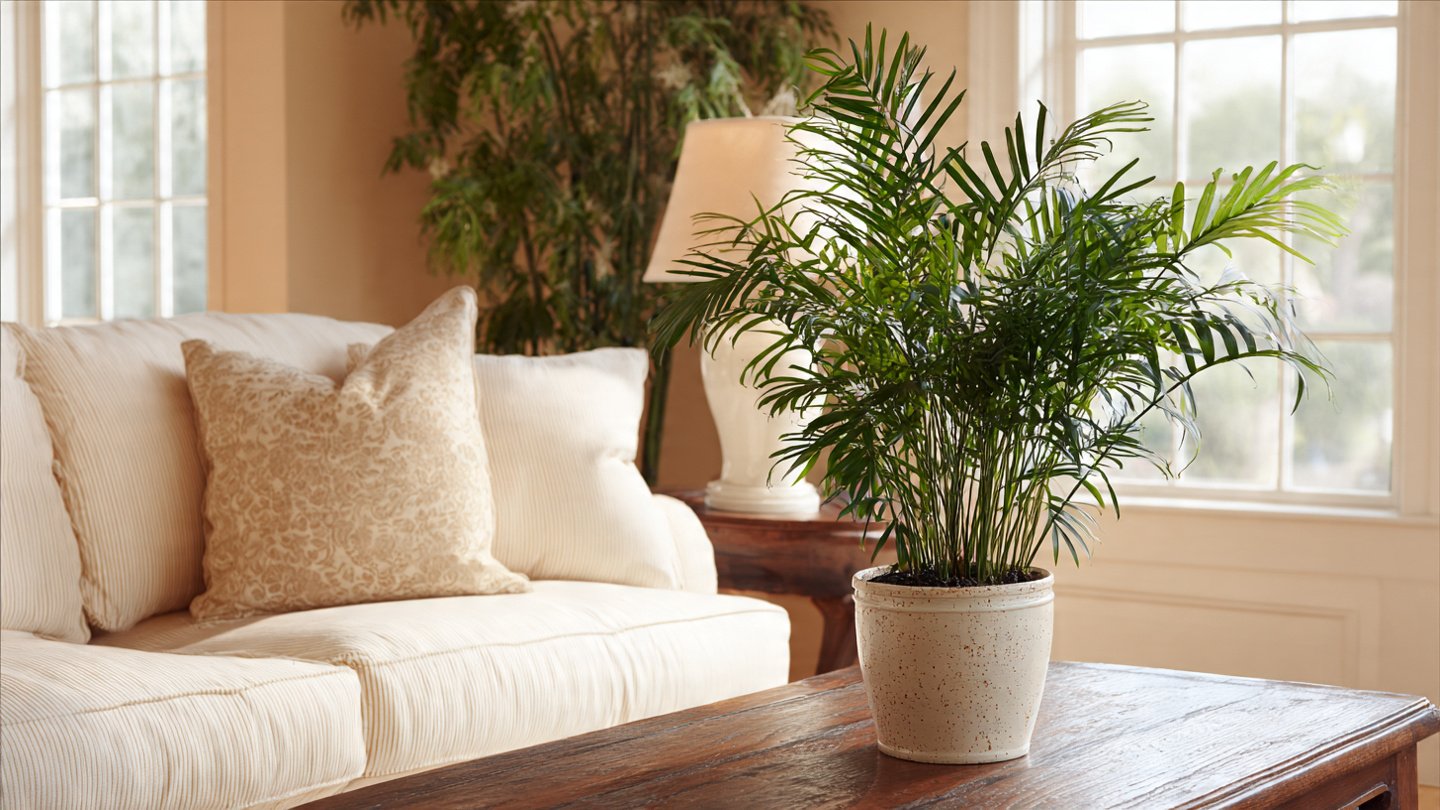
Creating a lush indoor oasis in your living room can greatly enhance your home’s aesthetics and improve air quality. One of the most popular plants for achieving this dreamy atmosphere is the Parlor Palm (Chamaedorea elegans). Native to Central America, the Parlor Palm is admired for its graceful fronds and low maintenance needs. In this article, we’ll explore everything you need to know about growing and caring for a Parlor Palm indoors, ensuring that your living space becomes a vibrant sanctuary.
The Appeal of Parlor Palm
Before diving into the care routine, let’s discuss why the Parlor Palm has earned its place in indoor gardening enthusiasts’ hearts.
Latest Posts
- Easy Steps to Successfully Grow Bhindi in Grow Bags at Home
- Easy Steps to Grow a Healthy Guava Bonsai at Home for Beginners
- How to Successfully Grow and Cultivate White Strawberry Plants at Home for Delicious and Unique Fruits
- Ultimate Guide to Successfully Growing Weeping Fig Outdoors with Proven Techniques and Expert Tips
- How to Successfully Grow Flemish Beauty Pear Trees in Canada for Optimal Harvest
- Easy Hack to Grow Strawberries Year Round in Your Home Garden for Delicious Harvests
- Growing Flemish Beauty Pears in Canada A Complete Guide for Local Gardens
- The Ultimate Guide to Growing Hibiscus Plants Year Round for Vibrant Blooms and Healthy Foliage
- Easy Ways to Boost the Growth Rate of Your Indoor Peace Lily for Lush Green Foliage
- How to Successfully Grow Oak Leaf Lettuce in Your Home Garden for Fresh and Flavorful Salads
- Air Purification: Parlor Palms are known for their ability to cleanse the air, filtering out indoor toxins.
- Low Light Tolerance: They thrive in low-light conditions, making them perfect for rooms with limited sunlight.
- Compact Size: Unlike many tropical plants, Parlor Palms don’t grow too tall; their height typically ranges between 3 to 6 feet, perfect for various indoor spaces.
- Non-Toxic: They are safe for pets and children, which is an added bonus for families.
Selecting the Right Spot
Choosing the right location for your Parlor Palm is crucial to its success. Here are some tips for selecting an ideal spot:
-
Light Conditions: This plant prefers bright, indirect light. If your living room has windows with abundant light, it’s advisable to place the palm a few feet away. Avoid direct sunlight, which can scorch its delicate leaves.
-
Temperature: Parlor Palms thrive in temperatures ranging from 65°F to 80°F (18°C to 27°C). Ensure the location avoids drafts and sudden temperature fluctuations, especially during winter months.
-
Humidity Levels: Ideal humidity levels for Parlor Palms are around 50-60%. If you live in a dry climate, consider using a humidifier or placing water-filled trays with pebbles near the plant to maintain adequate moisture.
Soil Selection
Choosing the right soil is essential for a healthy Parlor Palm. Here are the recommendations:
-
Well-Draining Soil: Use a potting mix designed for tropical plants or create your own by mixing equal parts peat moss, pine bark, and perlite. This blend ensures good drainage while retaining enough moisture.
-
pH Levels: Aim for a slightly acidic to neutral soil pH (around 6.0 to 7.0) for optimal growth.
Potting and Repotting
Once you have chosen the right potting mix, it’s imperative to consider pot selection and repotting:
-
Choosing the Right Pot: A pot with drainage holes is essential to prevent waterlogging, which can lead to root rot. The pot should be slightly larger than the current one to give roots space to grow.
-
Repotting Frequency: Parlor Palms grow slowly and typically require repotting every 2-3 years. Signs that your plant needs repotting include roots emerging from the drainage holes and stagnant growth.
Watering Needs
Watering is a crucial aspect of caring for your Parlor Palm. Here’s how to do it effectively:
-
Moisture Level: Check the top inch of soil; if it feels dry, it’s time to water. Parlor Palms prefer slightly moist soil but can tolerate drying out between waterings.
-
Avoid Overwatering: Waterlogged soil can lead to root rot. Ensure the pot has adequate drainage and avoid letting the plant sit in water.
-
Frequency: Depending on your home’s humidity and light conditions, you may need to water every 1-2 weeks. In winter, reduce watering frequency as the plant’s growth slows down.
Fertilizing Your Parlor Palm
To keep your Parlor Palm healthy and thriving, fertilization is an important aspect:
-
Type of Fertilizer: Use a balanced, water-soluble fertilizer (like a 20-20-20 formula) every 4-6 weeks during the growing season (spring and summer).
-
Dilution: Dilute the fertilizer to half the recommended strength to prevent burning the plant’s roots.
-
Winter Care: Reduce or stop fertilizing during the fall and winter months when the plant’s growth slows down.
Pruning and Grooming
Regular maintenance ensures your Parlor Palm remains attractive and healthy:

-
Leaf Care: Dust can accumulate on the leaves, so wipe them with a damp cloth once a month to allow for better photosynthesis.
-
Pruning: Remove any yellow or brown fronds at their base to encourage new growth. Use clean, sharp scissors to avoid damaging the plant.
Pest Management
Like any plant, the Parlor Palm can be susceptible to pests. Here’s how to handle common pests:
-
Aphids and Spider Mites: These pests can thrive on your palm. Use insecticidal soap or neem oil to eliminate them.
-
Regular Inspection: Regularly check the undersides of leaves for signs of infestation and treat promptly.
Troubleshooting Common Issues
Even with the best care, you may encounter some problems. Here are common issues and their solutions:
-
Yellowing Leaves: This often indicates overwatering or poor drainage. Check the soil moisture and drainage situation.
-
Browning Leaf Tips: This could be due to underwatering, low humidity, or too much direct sunlight. Adjust your watering schedule and humidity levels accordingly.

-
Stunted Growth: Ensure the plant isn’t root-bound and evaluate your watering and fertilization routine.
Creating the Lush Indoor Oasis
To truly embrace the concept of a lush indoor oasis with your Parlor Palm, consider adding complementary plants and decorative elements:
- Companion Plants: Consider adding other tropical plants like peace lilies or snake plants for varied textures and colors.
- Decorative Pots: Choose stylish pots that match your home decor while still allowing for adequate drainage.
- Layering Textures: Incorporate different heights and types of plants to create depth in your indoor garden.
Conclusion
Growing a Parlor Palm can transform your living room into a serene and inviting oasis. With proper light, watering, and care, this graceful plant can thrive indoors, providing both beauty and improved air quality.
FAQ Section
1. How fast does a Parlor Palm grow?
Parlor Palms are slow growers, typically adding about 6 to 12 inches in height each year.
2. Can I grow a Parlor Palm in low light conditions?
Yes, Parlor Palms are well-suited for low-light environments, making them ideal for indoor spaces.
3. How often should I repot my Parlor Palm?
You should repot your Parlor Palm every 2-3 years or if you notice roots growing through the drainage holes.
4. Is the Parlor Palm safe for pets?
Yes, Parlor Palms are non-toxic to pets and children.
5. What should I do if my Parlor Palm’s leaves are turning yellow?
Yellow leaves can indicate overwatering or poor drainage. Check the soil’s moisture level and adjust your watering routine accordingly.
6. Can I propagate my Parlor Palm?
Propagating Parlor Palms can be tricky, but you can try dividing the plant during repotting. Make sure each division has roots and leaves.
7. What temperature is best for my Parlor Palm?
Parlor Palms thrive in temperatures between 65°F to 80°F (18°C to 27°C).
By following these guidelines, you can cultivate a stunning indoor garden that flourishes and brings a sense of tranquility to your living space. Enjoy the lush greenery and the many benefits your Parlor Palm offers!