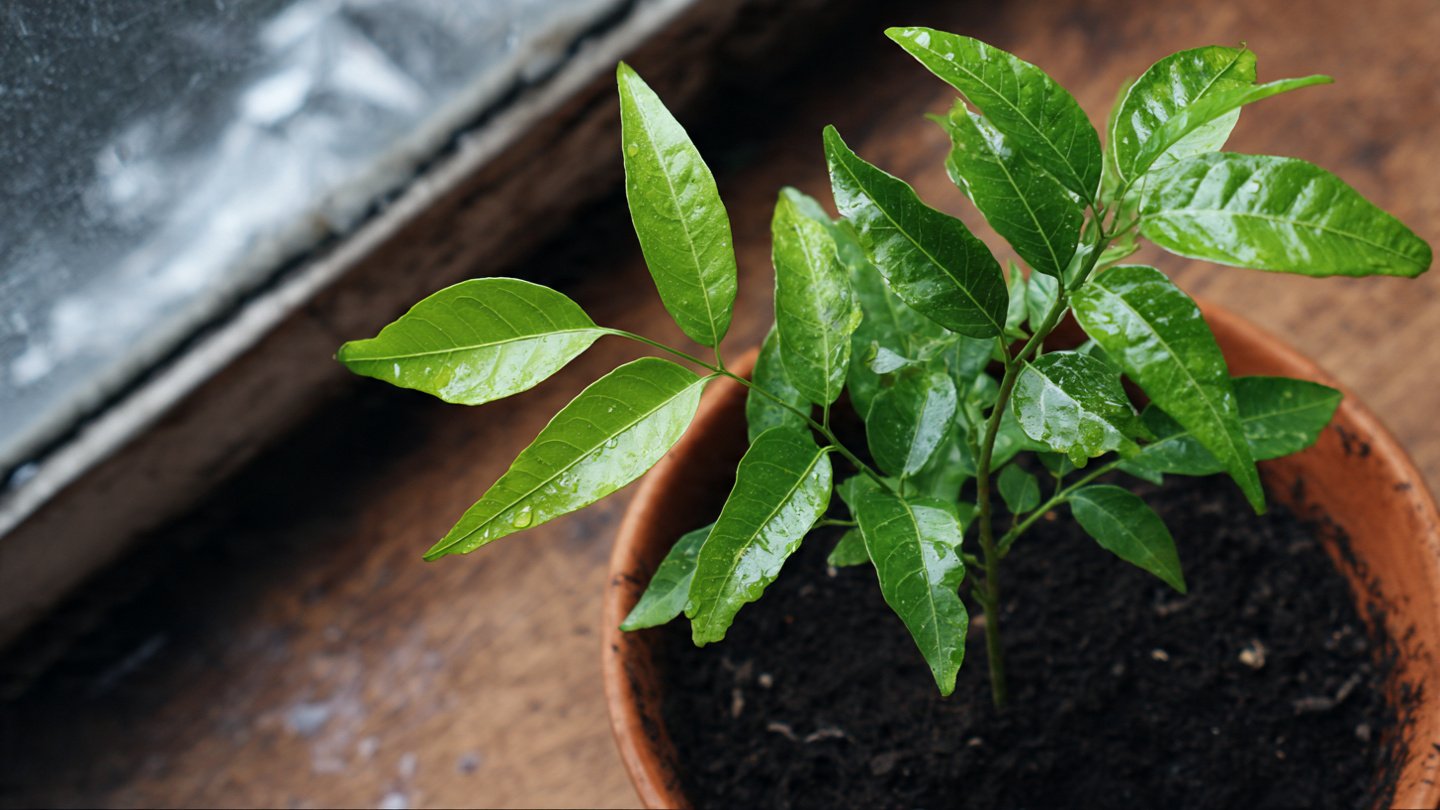
Curry leaf, scientifically known as Murraya koenigii, is cherished not only for its aromatic leaves that enhance culinary dishes but also for its medicinal properties. Native to India, it thrives in tropical and subtropical climates. Growing curry leaf can be a rewarding endeavor, particularly when you understand how to optimize soil conditions and watering techniques to ensure robust growth and a bountiful harvest. This article explores the best methods to accelerate the growth of curry leaves by enhancing soil health and optimizing watering practices.
Understanding Curry Leaf Plant Requirements
Before diving into the improvements that can be made, it’s essential to understand the basic requirements of the curry leaf plant:
Latest Posts
- Easy Steps to Successfully Grow Bhindi in Grow Bags at Home
- Easy Steps to Grow a Healthy Guava Bonsai at Home for Beginners
- How to Successfully Grow and Cultivate White Strawberry Plants at Home for Delicious and Unique Fruits
- Ultimate Guide to Successfully Growing Weeping Fig Outdoors with Proven Techniques and Expert Tips
- How to Successfully Grow Flemish Beauty Pear Trees in Canada for Optimal Harvest
- Easy Hack to Grow Strawberries Year Round in Your Home Garden for Delicious Harvests
- Growing Flemish Beauty Pears in Canada A Complete Guide for Local Gardens
- The Ultimate Guide to Growing Hibiscus Plants Year Round for Vibrant Blooms and Healthy Foliage
- Easy Ways to Boost the Growth Rate of Your Indoor Peace Lily for Lush Green Foliage
- How to Successfully Grow Oak Leaf Lettuce in Your Home Garden for Fresh and Flavorful Salads
- Climate: Thrives in warm, humid conditions and requires protection from frost.
- Sunlight: Prefers full sunlight to partial shade, ideally receiving 6-8 hours of sunlight daily.
- Soil Type: Well-drained, rich loamy or sandy soil with a pH between 6.0 and 7.5.
Enhancing Soil Conditions
1. Choosing the Right Soil Mix
The foundation of healthy curry leaf growth lies in the soil. A good mix includes:
- Loamy Soil: Provides a balanced texture that retains moisture while allowing for good drainage.
- Organic Matter: Incorporate well-decomposed compost or manure, which enhances nutrient content and promotes microbial activity.
- Sand: Adding sand improves drainage, particularly crucial for curry leaves, as they are susceptible to root rot in waterlogged conditions.
2. Soil pH Testing
Before planting, test your soil’s pH level:
- Acidic or Alkaline Soil: Adjust the pH if necessary, using lime to raise the pH or sulfur to lower it, ensuring it falls within the optimal range of 6.0 to 7.5.
- Nutrient Levels: Assess N-P-K (Nitrogen-Phosphorus-Potassium) levels, aiming for balanced nutrition to support vigorous growth.
3. Fertilization Strategies
Curry leaf plants benefit from consistent feeding:
- Slow-Release Fertilizers: Use a balanced slow-release fertilizer during the growing season. Look for fertilizers with equal N-P-K ratios or slightly higher nitrogen content.
- Organic Fertilizers: Bone meal and fish emulsion can provide the necessary nutrients and promote healthy growth. Apply them every 4-6 weeks during the growing season.
- Compost: Regularly add compost to the top layer of soil to nurture microbial life and enhance soil fertility.
4. Mulching

Applying a layer of organic mulch (e.g., straw, wood chips) around your curry leaf plant:
- Moisture Retention: Reduces evaporation, keeping soil moisture consistent.
- Weed Suppression: Prevents weeds from competing for nutrients and water.
- Temperature Regulation: Helps maintain a stable soil temperature.
5. Regular Soil Aeration
Aeration is vital for root health:
- Soil Compaction: Over time, soil can become compacted, hindering root growth. Aerate the soil by gently loosening it around the root zone.
- Draining: This process enables better water penetration and improves oxygen availability for the roots.
Optimizing Watering Techniques
Watering is another critical component in the growth of curry leaf plants. Here are strategies to optimize watering techniques:
1. Understanding Water Needs

Curry leaf plants prefer consistently moist soil but are particularly susceptible to overwatering:
- Water Frequency: Initially, during the establishment phase, water more frequently (once every 2-3 days). As the plant matures, adjust to watering once a week, allowing the soil to dry slightly between waterings.
- Moisture Check: Always check the top inch of soil; if it feels dry, it’s time to water.
2. Watering Methods
The method of watering influences how effectively moisture reaches the roots:
- Deep Watering: Water deeply and less frequently, allowing roots to grow deeper in search of moisture. This encourages a robust root system.
- Drip Irrigation: If possible, use drip irrigation systems which deliver water directly to the root zone, minimizing evaporation and runoff.
- Avoiding Watering Leaves: Watering at the base of the plant minimizes the risk of fungal diseases that can arise from wet leaves.
3. Seasonal Adjustments
As seasons change, so should your watering routine:
- Dry Seasons: During summer months, increase watering frequency.
- Rainy Seasons: Reduce watering during periods of heavy rain; ensure proper drainage to prevent waterlogging.

4. Container Growing Techniques
If growing curry leaves in containers, special considerations apply:
- Drainage: Ensure sufficient drainage holes in pots. Use a mix of potting soil and perlite for better aeration.
- Watering Containers: Containers dry out faster than ground soil, so check moisture daily, especially in hot weather.
When to Harvest Curry Leaves
Harvesting is an enjoyable part of the growing process:
- Young Leaves: The best flavor is often found in young, tender leaves. Use scissors to trim the leaves, encouraging more growth.
- Continuous Harvesting: Regularly harvest leaves throughout the growing season to promote branching and bushier growth.
Conclusion
Growing curry leaves can be both fulfilling and beneficial, particularly when soil conditions are enhanced, and watering techniques are optimized. By focusing on soil health, utilizing proper watering strategies, and adjusting cultivational practices according to seasonal changes, gardeners can enjoy healthy, prolific curry leaf plants that thrive in their gardens.

FAQs
1. How long does it take for curry leaf seeds to germinate?
Curry leaf seeds typically take 2-3 weeks to germinate under optimal conditions.
2. Can curry leaf plants be grown indoors?
Yes, curry leaf plants can be grown indoors with sufficient sunlight (6-8 hours) and proper care.
3. How often should I fertilize curry leaf plants?
Feed the plants every 4-6 weeks during the growing season with balanced fertilizers.
4. Should I prune my curry leaf plant?
Yes, regular pruning encourages bushier growth and prevents the plant from becoming leggy.
5. Why are my curry leaves turning yellow?
Yellowing leaves could indicate overwatering, nutrient deficiencies, or poor drainage. Assess soil moisture and nutrients regularly.
Growing curry leaves is an enriching journey rooted in understanding and nurturing their specific environmental needs. By enhancing soil conditions and optimizing watering techniques, you can cultivate thriving plants that reward you with their aromatic leaves for years to come. Happy gardening!