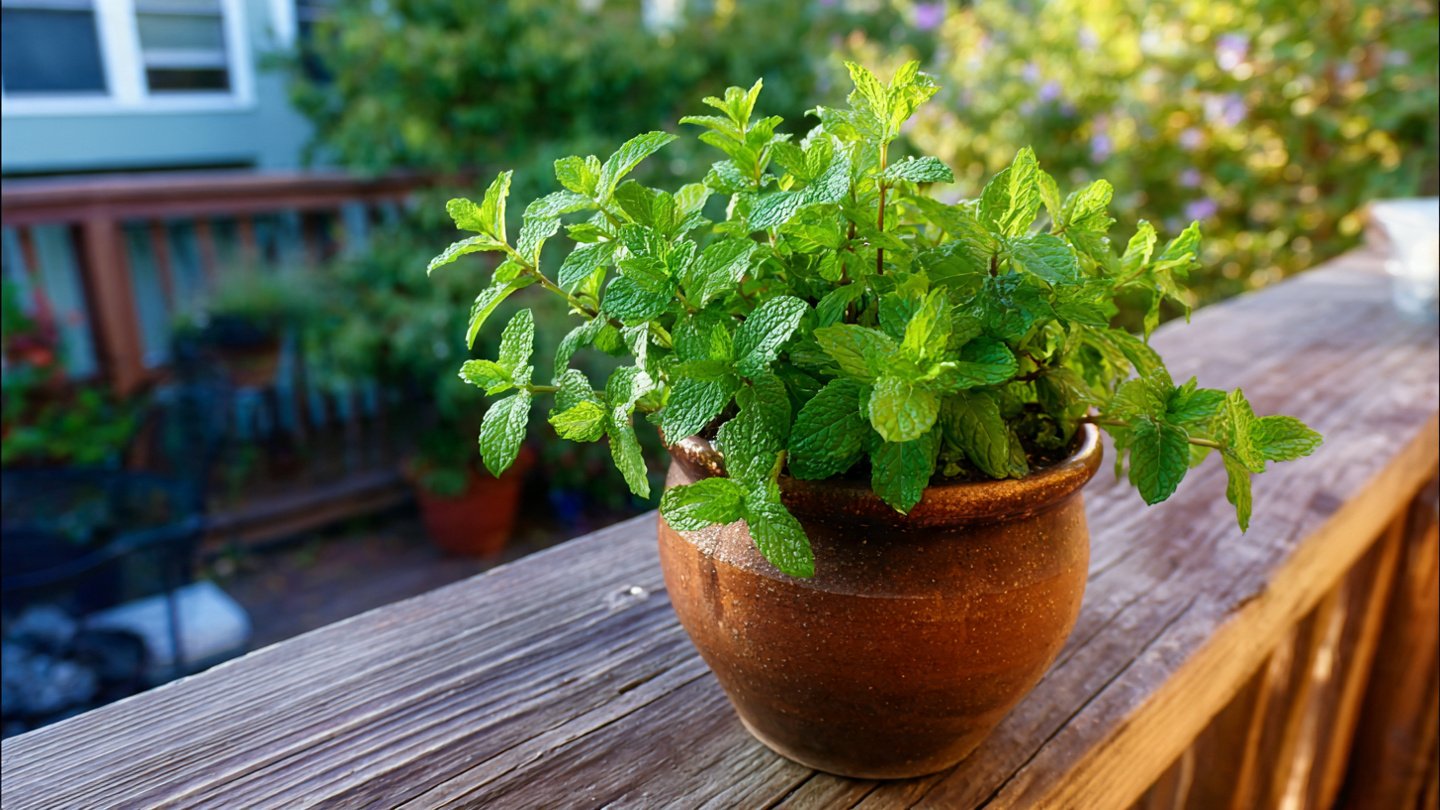
Growing herbs at home can enhance your culinary experiences, and spearmint (Mentha spicata) is one of the most flavorful and versatile herbs you can cultivate. Known for its refreshing flavor, spearmint can be used in everything from cocktails to salads and even desserts. In this article, we’ll guide you through the essentials of growing spearmint in a pot, ensuring a bountiful supply for your kitchen.
Why Grow Spearmint?
Before diving into the details, let’s explore why spearmint is a must-grow herb:
Latest Posts
- Easy Steps to Successfully Grow Bhindi in Grow Bags at Home
- Easy Steps to Grow a Healthy Guava Bonsai at Home for Beginners
- How to Successfully Grow and Cultivate White Strawberry Plants at Home for Delicious and Unique Fruits
- Ultimate Guide to Successfully Growing Weeping Fig Outdoors with Proven Techniques and Expert Tips
- How to Successfully Grow Flemish Beauty Pear Trees in Canada for Optimal Harvest
- Easy Hack to Grow Strawberries Year Round in Your Home Garden for Delicious Harvests
- Growing Flemish Beauty Pears in Canada A Complete Guide for Local Gardens
- The Ultimate Guide to Growing Hibiscus Plants Year Round for Vibrant Blooms and Healthy Foliage
- Easy Ways to Boost the Growth Rate of Your Indoor Peace Lily for Lush Green Foliage
- How to Successfully Grow Oak Leaf Lettuce in Your Home Garden for Fresh and Flavorful Salads
- Culinary Versatility: Spearmint complements a variety of dishes. It can add depth to meat, freshness to salads, or uplift drinks like mojitos and iced tea.
- Low Maintenance: Spearmint is known for its resilience and requires minimal care once established.
- Aromatic Qualities: Its pleasing scent can enhance the indoor atmosphere and attract beneficial insects.
Selecting the Right Container
Size and Material
Choose a pot that is at least 12 inches in diameter. Spearmint has a moderate root system and benefits from enough space to grow. Additionally, ensure the pot has drainage holes to prevent waterlogging.
Soil Choice
Opt for a high-quality potting mix that retains moisture while providing good drainage. A mix designed for herbs or vegetables is ideal. You may also consider adding perlite or vermiculite to enhance aeration.
Choosing the Best Location
Spearmint thrives in full sun, so select a location where it can receive at least 6 hours of sunlight daily. However, it can tolerate some shade, particularly in hotter climates. If you’re growing indoors, place the pot near a south-facing window.
Planting Spearmint
Seeds vs. Seedlings
While you can grow spearmint from seeds, it’s often more efficient to start with seedlings or transplants from a nursery. Seeds can take longer to germinate and require more specific conditions.
-
Planting Seeds: If opting for seeds, sprinkle them on the surface of the soil and lightly cover with compost. Keep the soil moist but not soggy.
-
Transplanting Seedlings: If using seedlings, dig a hole in the pot slightly larger than the root ball. Place the seedling in the hole, backfill with soil, and gently press down.
Watering

After planting, thoroughly water the soil. Ensure consistent moisture by watering the plant when the top inch of the soil feels dry. Spearmint prefers moist conditions, but avoid overwatering to prevent root rot.
Fertilizing Spearmint
Spearmint benefits from occasional feeding, particularly during the growing season (spring to early fall). Use a balanced, water-soluble fertilizer every 4-6 weeks. This encourages vigorous growth and a more aromatic flavor.
Pruning for Flavor
To maintain a healthy plant and enhance its flavor:
- Regular Trimming: Snip off the top growth regularly to encourage bushiness. This also helps prevent flowers from blooming, as once spearmint flowers, it tends to lose flavor.
- Harvesting: Cut stems just above a leaf node, allowing the plant to continue growing. You can harvest throughout the growing season, taking care not to remove more than one-third of the plant at a time.
Pest and Disease Management
While spearmint is generally resistant to pests and diseases, keep an eye out for common pests like aphids, spider mites, and whiteflies.
- Prevention: Ensure proper air circulation and avoid overcrowding the plant.
- Organic Solutions: If pests appear, consider insecticidal soap or a mixture of water and dish soap to treat them without harming beneficial insects.

Indoor vs. Outdoor Growing
Indoor Growing
When growing indoors, consider using grow lights if natural sunlight is insufficient. Maintain humidity to mimic outdoor conditions and ensure proper air circulation.
Outdoor Growing
When planting outdoors, space pots adequately to allow for airflow. If you experience extreme heat, consider providing shade during the hottest part of the day to prevent wilting.
Culinary Uses of Spearmint
Once your spearmint is ready for harvest, you can explore various culinary applications:
- Beverages: Add fresh spearmint to your drinks. It’s perfect in cocktails like mojitos or refreshing iced teas.
- Salads: Toss fresh leaves into salads for a minty flavor boost.
- Dishes: Incorporate spearmint into lamb dishes, sauces, or even yogurt dips for Greek meals.
- Desserts: Use mint in desserts like chocolates, cakes, or sorbets for a unique twist.

FAQs About Growing Spearmint in a Pot
1. Can I grow spearmint indoors all year round?
Yes, you can grow spearmint indoors year-round, provided it gets enough sunlight or grow lights.
2. How often should I water my spearmint plant?
Water your spearmint when the top inch of the soil feels dry. This is usually every few days, but it can vary based on conditions.
3. Does spearmint require a lot of fertilizer?
Spearmint doesn’t require heavy fertilization. A balanced, water-soluble fertilizer every 4-6 weeks during the growing season is sufficient.
4. Can I grow spearmint from cuttings?
Yes, you can propagate spearmint from cuttings. Place a healthy cutting in water until roots develop, then transfer it to soil.

5. Why is my spearmint plant wilting?
Wilting can be a sign of underwatering or overwatering. Check the soil’s moisture level to determine the cause.
6. Is spearmint invasive?
While spearmint can spread rapidly if planted in the ground, growing it in pots restricts its growth and prevents it from becoming invasive.
7. How do I know when to harvest?
You can start harvesting spearmint when the plant is about 6-8 inches tall. Regular snipping promotes bushier growth and keeps the plant healthy.
Conclusion
Growing spearmint in a pot is a gratifying endeavor that can greatly enhance your culinary creations. With the right care and conditions, you can enjoy a continuous supply of fresh spearmint for various dishes and drinks. Whether you’re an aspiring chef or just love adding fresh herbs to your meals, spearmint is an excellent choice that will thrive with the proper attention. Happy gardening!